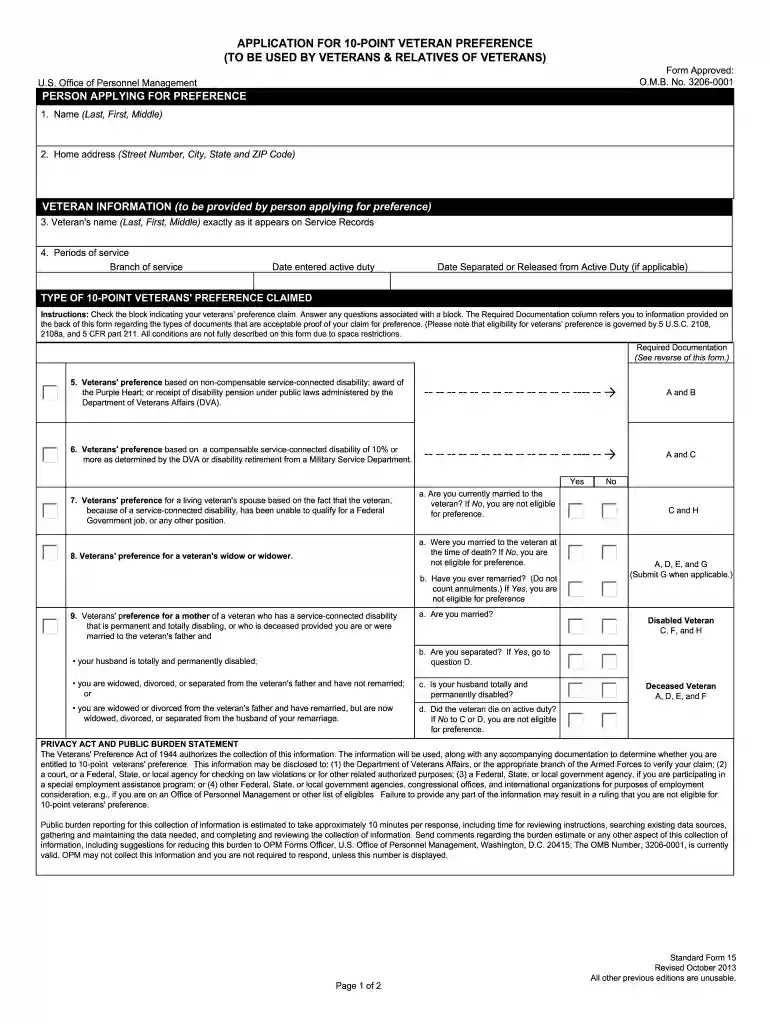
To gain veteran status, you generally need at least 180 days of active duty service (excluding training) and a discharge other than dishonorable, though exceptions exist for service-connected disabilities or specific periods like combat deployments. This 180-day rule is a common benchmark for eligibility for many VA benefits, but National Guard/Reserve members also qualify if deployed on federal orders for at least 180 days or serve 20 years and retire honorably. Key Requirements for Veteran Status Service Duration: More than 180 days of active duty service (not just training). Discharge Type: Released under honorable conditions (not dishonorable or bad conduct). Service-Connected Disability: Can qualify with less than 180 days if discharged for a disability incurred or aggravated in the line of duty. Specific Scenarios National Guard Reserve: Generally need a federal deployment of 180+ days or 20 years of service for veteran status and benefits eligibility. Combat/War Zones: Service during specific periods (like Gulf War or post-9/11 conflicts) may qualify with less than 180 days of service if other conditions are met. VA Benefits: The 180-day mark is crucial for benefits like the 180-day transitional healthcare (TAMP) after separation. 180-Day Rule (DoD Hiring) Theres a separate, unrelated 180-Day Rule for hiring retired military into the Department of Defense (DoD), requiring a 180-day waiver to prevent immediate re-employment after retirement, which is a different issue from veteran status. In summary, 180 days of active duty is a primary threshold, but the exact definition of veteran status depends on the specific law or benefit youre seeking, with exceptions for disabilities and specific deployments. AI can make mistakes, so double-check responsesGuard and Reserve members receive Veteran statusDec 28, 2016National Guard.mil38 USC 3452: Definitions - OLRC HomeFor the purposes of this chapter and chapter 36 of this title- (a)(1) The term eligible veteran means any veteran who- (A) serveHouse.gov