

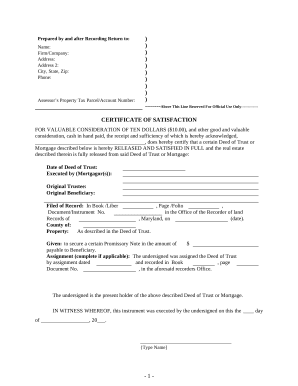
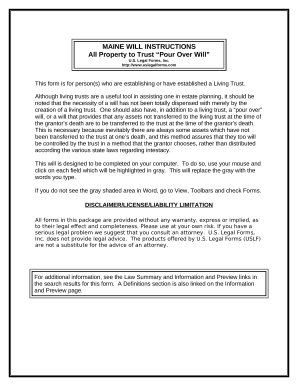
Transform your file managing with Trust Legal Forms

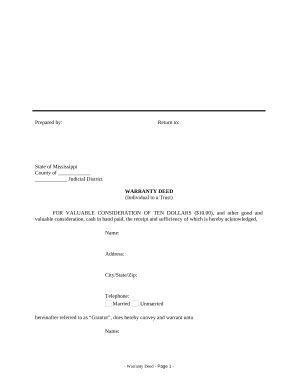
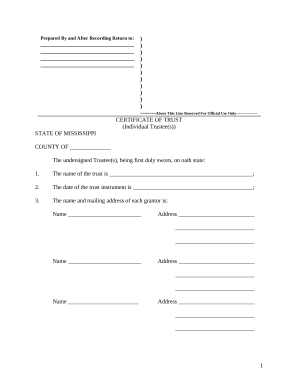
Your workflows always benefit when you can easily locate all of the forms and documents you need on hand. DocHub delivers a huge selection of document templates to relieve your daily pains. Get a hold of Trust Legal Forms category and easily discover your document.

Begin working with Trust Legal Forms in a few clicks:

  1. Gain access to Trust Legal Forms and discover the form you require.
  2. Click Get Form to open it in our editor.
  3. Start modifying your file: add fillable fields, highlight paragraphs, or blackout sensitive details.
  4. The application saves your adjustments automatically, and after you are all set, you can download or share your file with other contributors.

Enjoy easy form managing with DocHub. Check out our Trust Legal Forms online library and look for your form right now!


Video Guide on Trust Legal Forms management

video background

Commonly Asked Questions about Trust Legal Forms

The 4 Biggest Mistakes Parents Make When Setting Up a Trust Fund Not choosing the right Trustee. Choosing the wrong Trustee is a common mistake parents make. Not being clear about the goals of the Trust. Not including asset protection provisions. Not reviewing the Trust annually.
A good Trustee should be someone who is honest and trustworthy, because they will have a lot of power under your trust document. The person you choose to act as a Trustee should also be financially responsible, because they will be handling the investments for the benefit of your beneficiaries.
The big keys you need to make a trust are: Intent to make a trust (California Probate Code section 15201); Mental Capacity to make a trust; A trust must have property (PC 15202) There must be a legal purpose to trust (PC15203) A trust must have a beneficiary (PC 15205)
In general, a trust is a relationship in which one person holds title to property, subject to an obligation to keep or use the property for the benefit of another. A trust is formed under state law. Definition of a trust | Internal Revenue Service irs.gov charities-non-profits definition-o irs.gov charities-non-profits definition-o
The most important piece of trust documentation will be the trust deed. This agreement is, essentially, what creates the trust. Outlined within the trust deed will be key pieces of information like what properties or assets will be held within the trust and who the beneficiaries are.
The trust deed is the primary piece of documentation needed to establish a trust, but additional documents can help to better protect your assets and held the trustee gain or limit their power in the future.
An irrevocable trust provides you with more protection. While you cant modify it, creditors cant easily make claims against it, and assets held within it can generally be passed on to beneficiaries without being subject to estate tax.
Between the two main types of trusts, revocable trusts are the most common. This is primarily due to the level of flexibility they provide. In a revocable trust, the trustor (or the person who created the trust) has the option to modify or cancel the trust at any time during their lifetime.
A trust is a form of division of property rights and a fiduciary relationship, in which ownership of assets goes to a third party, known as a trustee, and the beneficial enjoyment goes to the beneficiary. The person who transfers the property into the trust is known as the grantor or settlor. trust | Wex | US Law | LII / Legal Information Institute cornell.edu wex trust cornell.edu wex trust
