Boost your production with Seller's Affidavit Forms

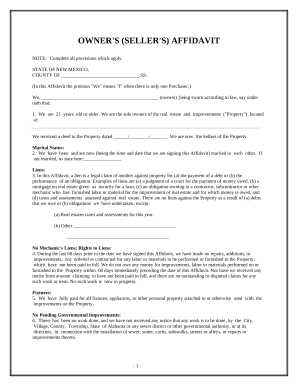
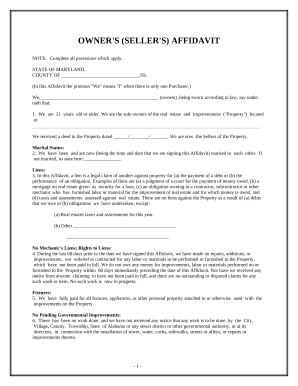
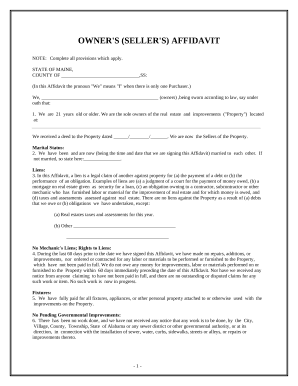
Record management occupies to half of your office hours. With DocHub, it is simple to reclaim your time and boost your team's efficiency. Access Seller's Affidavit Forms collection and investigate all document templates relevant to your daily workflows.

Easily use Seller's Affidavit Forms:

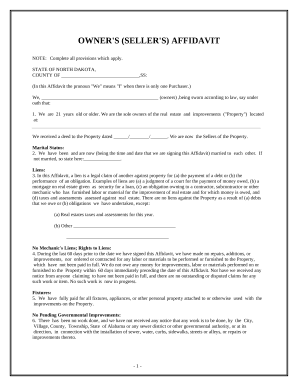
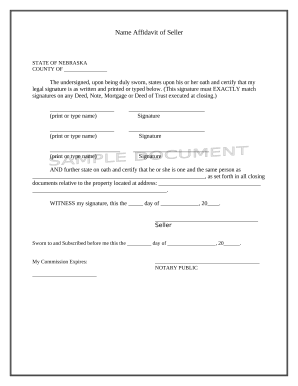
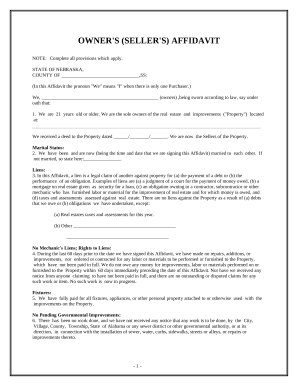
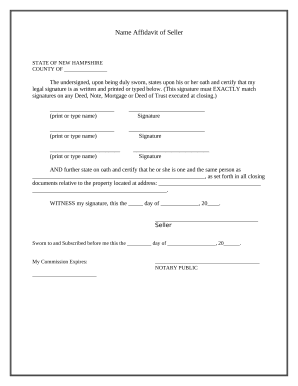
  1. Open Seller's Affidavit Forms and apply Preview to obtain the appropriate form.
  2. Click on Get Form to begin working on it.
  3. Wait for your form to open in our online editor and start modifying it.
  4. Add new fillable fields, symbols, and pictures, change pages order, etc.
  5. Fill out your file or set it for other contributors.
  6. Download or deliver the form by link, email attachment, or invite.

Speed up your daily file management using our Seller's Affidavit Forms. Get your free DocHub account today to discover all forms.


Video Guide on Seller's Affidavit Forms management

video background

Commonly Asked Questions about Seller's Affidavit Forms

Also known as an Affidavit of Non-Foreign Status, it is an IRS form a seller uses to docHub under oath that he/she isnt a foreign citizen. The form includes important information such as the name of the seller, U.S. taxpayer identification number as well as the home address.
A FIRPTA affidavit, also known as Affidavit of Non-Foreign Status, is a form a seller purchasing a U.S. property uses to docHub under oath that they arent a foreign citizen. The form includes the sellers name, U.S. taxpayer identification number and home address.
In order to complete the sale of the real property, every Seller, foreign or not, is required to complete and sign, under penalty of perjury (perjury willfully making a false statement), the Foreign Investment in Real Property Act (FIRPTA) form.
FIRPTA - Foreign Investment in Real Property Tax.
If the sale price is $300,000 or less Properties bought and sold for no more than $300,000 do not require a FIRPTA withholding, as long as the buyer or a member of the buyers family intends to live at the property for at least half of the first two years after the purchase.