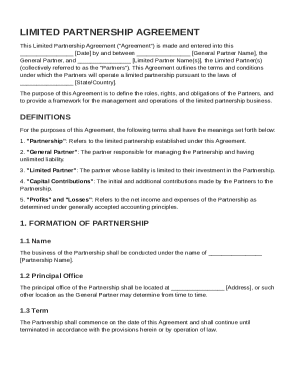
Get and handle Regulatory Compliance Documents online

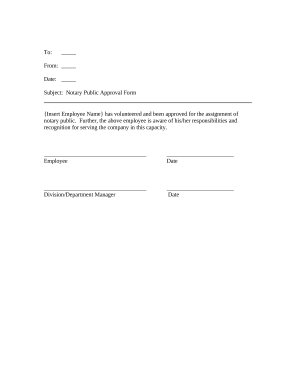
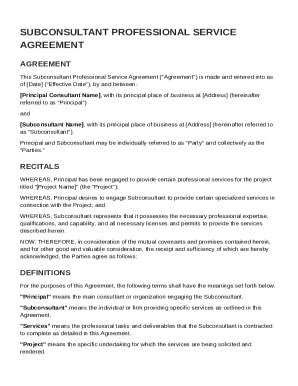
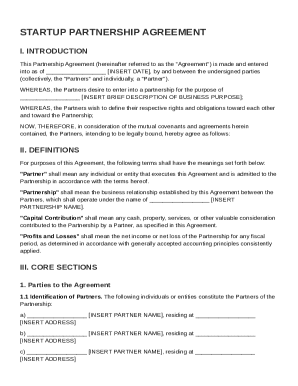
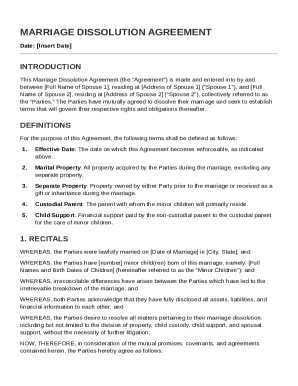
Accelerate your form operations with our Regulatory Compliance Documents category with ready-made form templates that suit your needs. Get the form, change it, fill it, and share it with your contributors without breaking a sweat. Begin working more effectively with the forms.

The best way to use our Regulatory Compliance Documents:

  1. Open our Regulatory Compliance Documents and look for the form you want.
  2. Preview your document to ensure it’s what you want, and click on Get Form to start working on it.
  3. Edit, add new text, or point out important information with DocHub features.
  4. Fill out your form and preserve the modifications.
  5. Download or share your document with other recipients.

Explore all of the possibilities for your online document administration using our Regulatory Compliance Documents. Get your totally free DocHub profile right now!


Video Guide on Regulatory Compliance Documents management

video background

Commonly Asked Questions about Regulatory Compliance Documents

Depending on the industry, compliance can take several forms and include things like data protection, labor rules, financial transparency, and environmental requirements. Financial losses, legal repercussions, and reputational harm can result from noncompliance.
Organizations use compliance documentation to prove that they comply with the regulatory compliance requirements pertaining to specific frameworks during audits, thereby expediting their compliance certification process.
Regulatory documentation is broadly defined as the documents submitted to health authorities in order to support research, development, marketing applications and post-marketing activities.
Some of the examples of compliance documents sourced are Full Material Disclosures (FMD), Certificates of Compliance (CoC), Statements of Compliance (SoC) or Conflict Minerals Reporting Templates (CMRT).
A regulatory compliance policy is a document that states how an organization meets its regulatory requirements. Compliance policies describe the rules, controls, and procedures used by the organization to meet its regulatory obligations.
Compliance documentation consists of specific records and reports of information required to verify the implementation of a compliance program. So, to simplify, it is a record of what type of compliance program you have in place, and also documents what the program includes.
Some examples of compliance include: A child cleaning up their room because their parent asked them to. A student helping another student with their homework when asked. Buying an item because a salesperson encourages you to do so.