Enhance your file administration with Property Forms

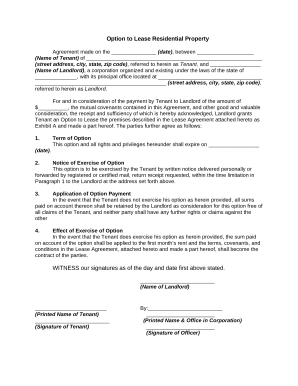
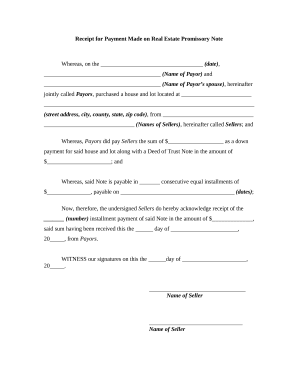
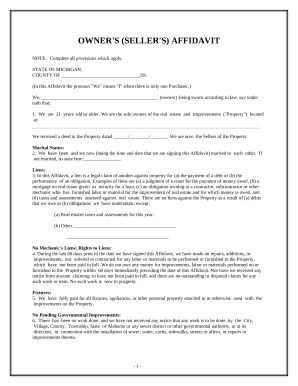
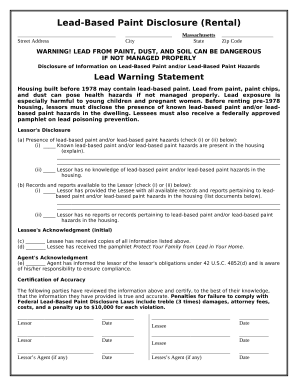
Your workflows always benefit when you can locate all of the forms and files you will need at your fingertips. DocHub offers a a huge collection of documents to ease your day-to-day pains. Get hold of Property Forms category and easily discover your document.

Begin working with Property Forms in a few clicks:

  1. Browse Property Forms and get the document you require.
  2. Click Get Form to open it in our editor.
  3. Begin editing your document: add fillable fields, highlight paragraphs, or blackout sensitive information.
  4. The app saves your adjustments automatically, and once you are ready, you are able to download or distribute your file with other contributors.

Enjoy seamless file administration with DocHub. Discover our Property Forms online library and get your form today!


Video Guide on Property Forms management

video background

Commonly Asked Questions about Property Forms

Private property is distinguishable from public property, which is owned by a state entity, and from collective or cooperative property, which is owned by one or more non-governmental entities.
Private property may consist of real estate, buildings, objects, intellectual property (copyright, patent, trademark, and trade secrets). The transfer of a private property commonly takes place by the owners consent or through a sale or as a gift.
Lets break it down together. RERA Form A: Property seller and broker. RERA Form B: Property buyer and broker. RERA Form F: Buyer and seller. RERA Form I: Agent and Agent. RERA Form U: Termination Agreement. Frequently Asked Questions.
Form properties are the data that you collect from users when they submit a form. They can be used to identify users, track their progress, or store their preferences. Each form property has a unique name and ID.
Thus, the three basic elements of private property are (1) exclusivity of rights to choose the use of a resource, (2) exclusivity of rights to the services of a resource, and (3) rights to exchange the resource at mutually agreeable terms.
Types of Property. All property belongs to one of three categories: real property, personal property, or intellectual property.
One of the most common examples of private property is the ownership of a home. The owner of a house typically has the right to live in it, sell it, or rent it out to others. Another example of private property is a car. Just as with a house, the owner of a car has the right to drive it, sell it, or lease it to others.
Private property can include real property like land or buildings, and personal property, such as automobiles, furniture, and computers. Property that is owned by the government is public property.