Get and manage Property and Debt Settlement Forms online

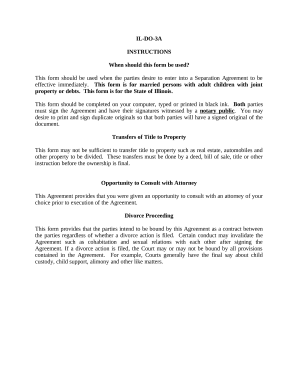
Improve your form management with the Property and Debt Settlement Forms category with ready-made form templates that suit your requirements. Access your document, modify it, fill it, and share it with your contributors without breaking a sweat. Begin working more effectively together with your documents.

The best way to use our Property and Debt Settlement Forms:

  1. Open our Property and Debt Settlement Forms and search for the form you want.
  2. Preview your document to ensure it’s what you want, and click Get Form to begin working on it.
  3. Edit, include new text, or point out important information with DocHub tools.
  4. Fill out your form and preserve the modifications.
  5. Download or share your form template with other people.

Discover all of the opportunities for your online document management with our Property and Debt Settlement Forms. Get your free free DocHub profile right now!

Video Guide on Property and Debt Settlement Forms management

video background

Commonly Asked Questions about Property and Debt Settlement Forms

A debt settlement letter is, in effect, a written legal contract. Its important to make direct, explicit, and detailed statements. Include your personal contact information, full name, mailing address, and account number. Specify the amount that you can pay, as well as what you expect from the creditor in return.
A repayment agreement is a legally binding contract between two parties, outlining the terms and conditions for the repayment of a loan or debt. This type of agreement specifies the amount borrowed, the interest rate (if any), the repayment schedule, and any other relevant terms.
In some cases, you may be able to settle for much less than that 48% average. Collectors holding old debts may be willing to settle for 20% or even less. The statute of limitations clock starts from the date the debt first became delinquent. 8 Facts about Debt Settlement: Know the Risks! | Consolidated Credit Consolidated Credit debt-solutions de Consolidated Credit debt-solutions de
about 40%-50% While there is no hard and fast rule for debt settlements, the settlement amount is typically based on a percentage of the overall amount you owe. For example, the National Foundation for Credit Counseling (NFCC) reports that the typical credit card debt settlement percentage is worth about 40%-50% of the full amount. What Percentage Should I Offer to Settle Debt? Tayne Law Group Blog Tayne Law Group Blog
Typical debt settlement offers range from 10% to 50% of the amount you owe. Creditors are under no obligation to accept an offer and reduce your debt, even if you are working with a reputable debt settlement company. Debt Settlement: Cheapest Way To Get Out of Debt? - Investopedia Investopedia personal-finance debt- Investopedia personal-finance debt-
Updated August 02, 2024. A debt settlement agreement is a contract signed between a creditor and a debtor to re-negotiate or compromise on an outstanding debt. This is usually when a debtor wants to make a final payment or structure a payment plan.
It depends on what you can afford. Your full and final settlement should offer equal amounts to each creditor. For example: Your lump sum is 75% of your total debt. You should offer each creditor 75% of what you owe them. Full And Final Settlement Offers. Free Advice. StepChange StepChange settlement-offers-to-creditors StepChange settlement-offers-to-creditors
Start by lowballing, and try to work toward a middle ground. If you know you can only pay 50% of your original debt, try offering around 30%. Avoid agreeing to pay an amount you cant afford.