

Liability Release Forms - Page 3

Get and handle Liability Release Forms online

Accelerate your file operations with our Liability Release Forms online library with ready-made document templates that suit your requirements. Get your form template, change it, complete it, and share it with your contributors without breaking a sweat. Begin working more efficiently together with your documents.

How to use our Liability Release Forms:

  1. Open our Liability Release Forms and search for the form you need.
  2. Preview your document to ensure it’s what you want, and click Get Form to begin working on it.
  3. Modify, include new text, or point out important information with DocHub features.
  4. Fill out your form and preserve the adjustments.
  5. Download or share your form template with other people.

Discover all of the opportunities for your online file management with the Liability Release Forms. Get a free free DocHub profile today!


Video Guide on Liability Release Forms management

video background

Commonly Asked Questions about Liability Release Forms

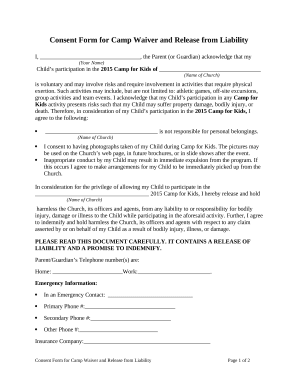
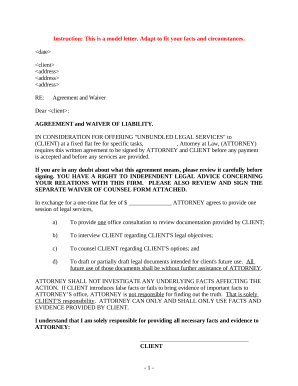
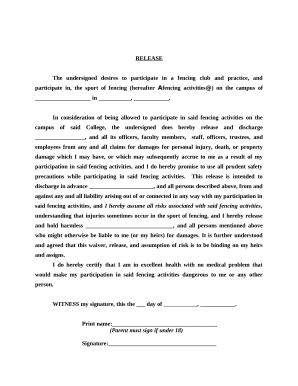
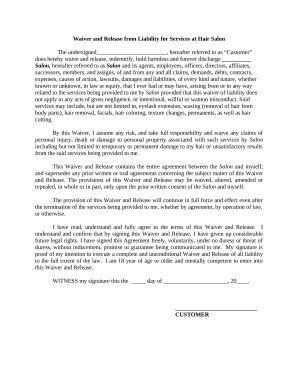
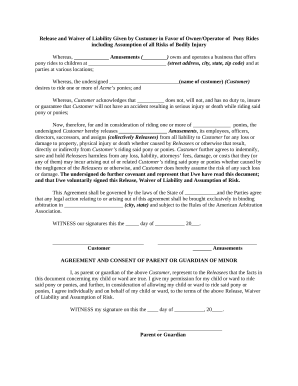
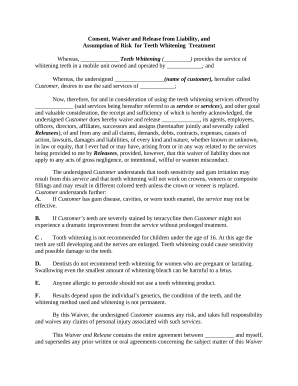
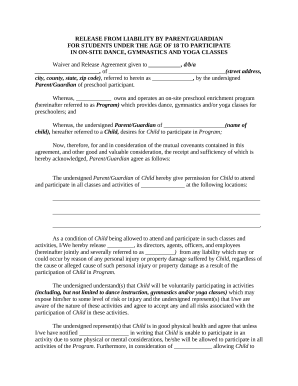
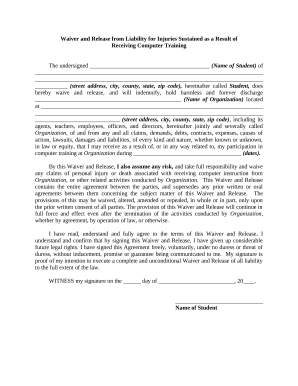
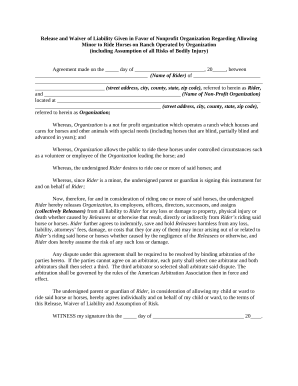
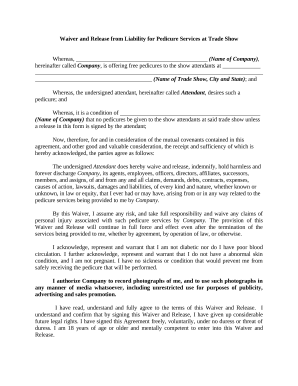
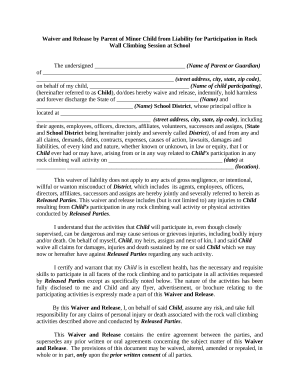
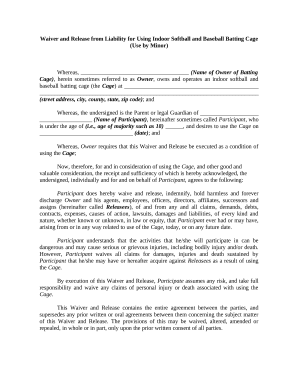
The liability release form, also known as the waiver form, contains a legally binding agreement between two parties, stating that one of them (the releasor) promises not to sue the other side (the releasee) for past, current, or future damages, losses, or injuries.
Use WaiverSigns online waiver software to quickly and easily create and sign online waivers, online release of liability forms, digital consent forms, permission slips, damage release forms, electronic rental agreements, and more.
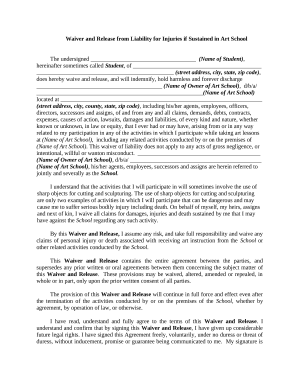
A release of liability, or waiver of liability, is a legally binding agreement between two parties. It outlines the voluntary assumption of risk for a situation and releases one party from any legal claims or damages that may arise from a specific activity, event, or relationship.
This liability waiver is intended to protect the property owner against liability for claims of illness, injury, or death resulting from the visitor entering the property. It contains a covenant not to sue and optional assumption of risk and indemnification provisions.
How to Write a Release of Liability Form Fill in the information of both parties, including each persons name and address. Include the details of the event. Add if there is a payment required by the releasee. Write a section for signatures, which will contain the names and dates of both parties.
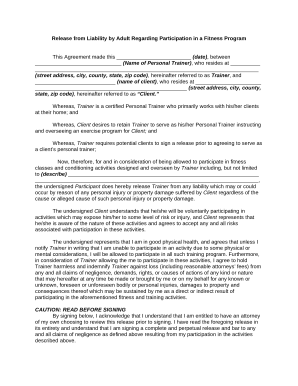
For example, as a condition of using a fitness center, the owner may ask a new member to sign a release agreeing not to hold the business liable for injuries. The release should state the expected use of the equipment, the ordinary risks of using fitness gear, the hours of operation, etc. Release of Liability Contract: What You Need to Know - Ironclad ironcladapp.com journal contracts release-of ironcladapp.com journal contracts release-of
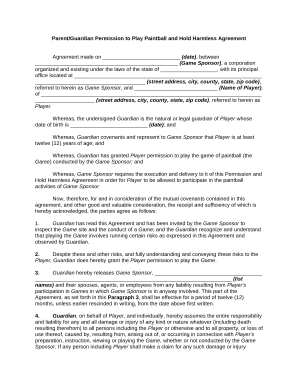
A release of liability, also known as a liability waiver or a hold harmless agreement, is a contract in which one party agrees not to hold another party liable for damages or injury. These contracts are common in fields that involve some risk to property, finances, or health.
A release of liability, also known as a hold harmless agreement, is a legal agreement between two parties in which one party waives the right to hold the other responsible for potential damages. When and how to use a release of liability form | .com articles when-and-how-t .com articles when-and-how-t
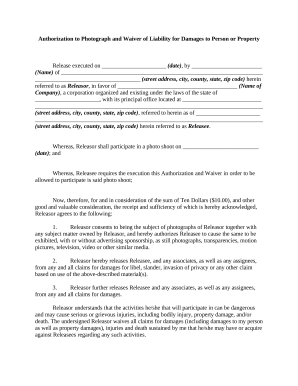
How Do You Write a Media Release Form? Name of the parties involved, i.e., releasor and releasee. Detailed information about the project. Explicit information of the permissions granted. Any special considerations, including payment obligations or credit, if any. A space for all parties to sign.
