

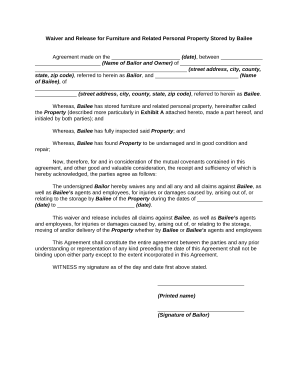
Boost your production with Legal Waiver Documents
Form management takes up to half of your business hours. With DocHub, it is possible to reclaim your time and effort and improve your team's productivity. Get Legal Waiver Documents category and discover all templates related to your everyday workflows.
Effortlessly use Legal Waiver Documents:
- Open Legal Waiver Documents and utilize Preview to find the relevant form.
- Click Get Form to start working on it.
- Wait for your form to open in the online editor and begin modifying it.
- Add new fillable fields, icons, and images, modify pages, etc.
- Fill your template or prepare it for other contributors.
- Download or share the form by link, email attachment, or invite.
Speed up your everyday document management with the Legal Waiver Documents. Get your free DocHub account right now to explore all forms.
Commonly Asked Questions about Legal Waiver Documents
What is the purpose of a waiver form?
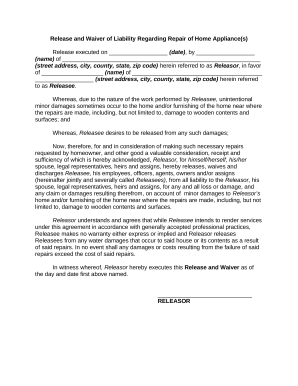
What is a waiver form? Waiver forms are a type of legal protection used by businesses to reduce their liability and risk. This type of agreement between a business and its customers is used to document that all parties are aware of potential risks in certain situations.
Where to get Where can I get a waiver form?
Macaldes, the Supreme Court cited the three (3) essential elements of a valid waiver, to wit: (a) existence of a right; (b) the knowledge of the existence thereof; and, (c) an intention to relinquish such right. legal service - DSWD dswd.gov.ph issuances LOs dswd.gov.ph issuances LOs
What is a waiver document?
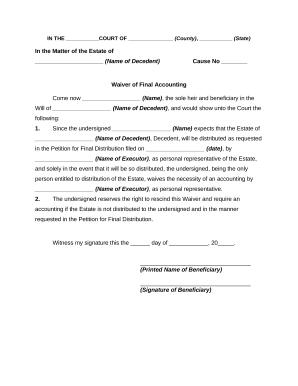
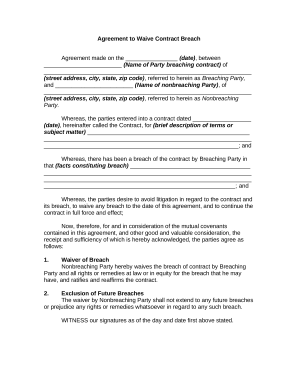
A waiver is a demonstration, usually in written form, of a partys intent to relinquish a legal right or claim. The key point to note is that the relinquishment is voluntary, and can apply to a variety of legal situations. Essentially, a waiver removes a real or potential liability for the other party in the agreement.
How do I write a simple waiver form?
Key Takeaways On How To Write A Waiver Choose a waiver template. Determine the type of activity or service. State the purpose of the waiver. Identify the risks. Include a title. Include customer information. Include waiver terms. Include a statement of understanding.
What is a standard waiver form?
A liability waiver form is a legal contract that educates one party about the risks associated with an activity. Once signed, it prevents the participant from opening a lawsuit against the company in the event of damage or loss, effectively shifting responsibility for injuries from the company to the customer.
What is an example of a waiver statement?
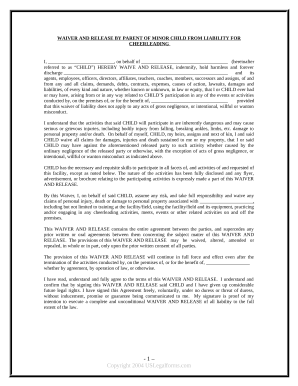
I understand and confirm that by signing this WAIVER AND RELEASE I have given up considerable future legal rights. I have signed this Agreement freely, voluntarily, under no duress or threat of duress, without inducement,promise or guarantee being communicated to me.
What does a waiver need to include?
What should a waiver contain? Waiver in Writing. The waiver should be in writing and be incorporated into the contract with the customer. Clear Risk Warning. Release of Liability. Examples of Non-liability. Indemnity Clause in a Waiver. Explanation of Waiver. Timing Matters.
How to create a legal waiver?
To build a waiver of liability: Choose a waiver template. Determine the type of activity or service. State the purpose of the waiver. Identify the risks. Include a title. Include customer information. Include waiver terms. Include a statement of understanding.
What is a standard insurance waiver?
Standard: This waiver option comes at a lower rental cost, but the excess applicable in the event of damage, theft and/or loss is higher. Super Waiver: The waiver option comes at a higher daily rental cost, but the excess applicable in the event of damage, theft and/or loss is lower than that of a standard waiver.