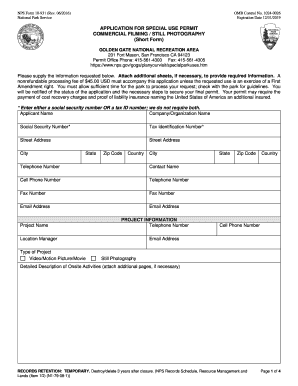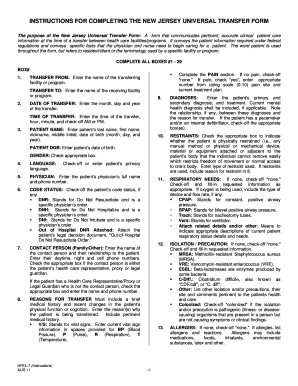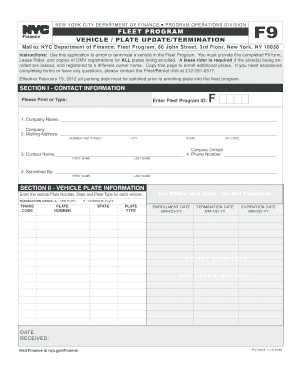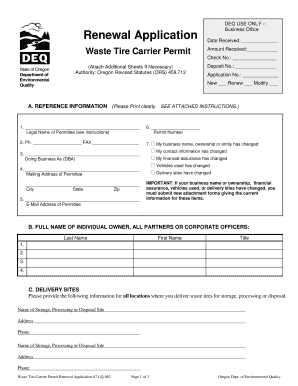
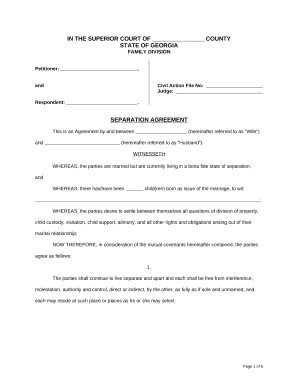
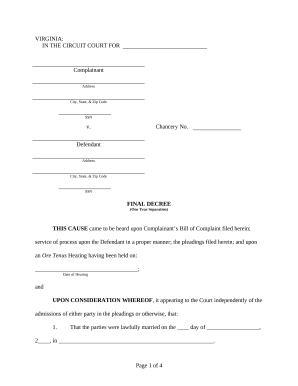
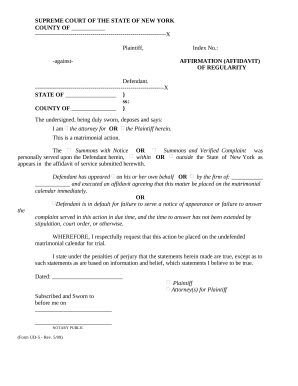
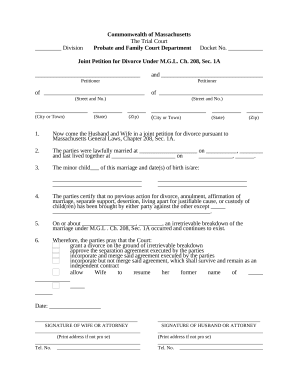
Manage Legal Forms for Divorce with Children easily online

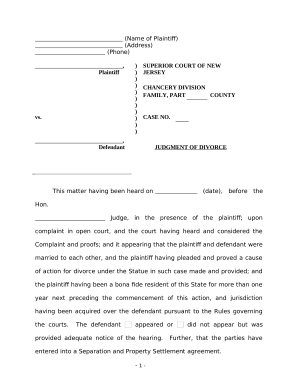
Document managing can stress you when you can’t find all of the forms you need. Fortunately, with DocHub's vast form collection, you can find all you need and swiftly deal with it without switching among programs. Get our Legal Forms for Divorce with Children and begin working with them.

Using our Legal Forms for Divorce with Children using these basic steps:

  1. Browse Legal Forms for Divorce with Children and choose the form you need.
  2. Preview the template and click on Get Form.
  3. Wait for it to open in the online editor.
  4. Edit your form: include new information and pictures, and fillable fields or blackout certain parts if needed.
  5. Prepare your form, save changes, and prepare it for delivering.
  6. When all set, download your form or share it with other contributors.

Try out DocHub and browse our Legal Forms for Divorce with Children category easily. Get a free account today!

Video Guide on Legal Forms for Divorce with Children management

video background

Commonly Asked Questions about Legal Forms for Divorce with Children

Generally, judges in the state of Indiana require equitable distribution when dividing property between divorcing parties. This means that the court decides what constitutes equal distribution given the context of the specific situation. The division of property in an Indiana divorce can be a complex matter.
Unlike most states, Indiana does not recognize separate property during marriage. Indiana is a whole pot state. All property owned by both spouses at the start of a marriage becomes marital property (Indiana Code Section 31-15-7-4).
But on average, a divorce case in Indiana takes at least 6 months. Part of this time is the 60-day cooling-off period mandated by the State. If you have no children, an agreeable spouse, and a small number of assets, your divorce could be finalized in as little as 2-3 months with help from a trained divorce attorney.
Texas courts try to award joint custody when possible. Joint custody means that the child spends some time with each parent. Although courts favor these arrangements, if one parent is abusive or neglectful, the court can award sole custody to the other parent.
Despite their best efforts to arrive at an equitable agreement, financial disparities between spouses after divorce are a reality for some couples. There is a good body of research on the subject that shows women bear the heaviest financial burden when a couple divorces.
Kansas, like many states, has a 60-day residency requirement to file for divorce, as well as a 60-day waiting period between a divorce filing and a court hearing. Incompatibility and the failure to perform a material marital duty or obligation are the legal grounds for divorce in Kansas.
As a general matter, judges in Indiana are required to rule on child custody and visitation matters ing to the best interests of the child. This means that the childs wellbeing is the judges primary consideration in any decision about custody or parenting time.
Indiana divorce law instructs the court to divide the following property among the spouses: The property acquired by either spouse after they got married but before they separated, The property acquired through a joint spousal effort, and. The property either spouse owned before they got married.