
Legal Forms for Churches


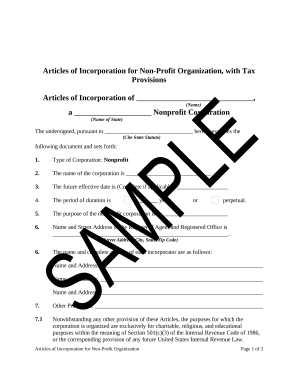
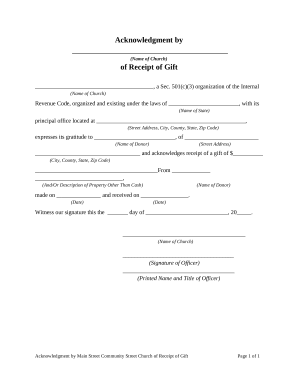
Handle Legal Forms for Churches effortlessly online
Document management can overwhelm you when you can’t find all of the forms you require. Fortunately, with DocHub's substantial form categories, you can get all you need and quickly manage it without the need of switching between software. Get our Legal Forms for Churches and start utilizing them.
The best way to manage our Legal Forms for Churches using these easy steps:
- Browse Legal Forms for Churches and select the form you require.
- Preview the template and click Get Form.
- Wait for it to open in the online editor.
- Edit your form: add new information and images, and fillable fields or blackout some parts if needed.
- Prepare your form, save adjustments, and prepare it for sending.
- When all set, download your form or share it with other contributors.
Try out DocHub and browse our Legal Forms for Churches category without trouble. Get your free profile today!
Video Guide on Legal Forms for Churches management

Commonly Asked Questions about Legal Forms for Churches
What is the legal entity type of a church?
For purposes of U.S. tax law, churches are considered to be public charities, also known as Section 501(c)(3) organizations. As such, they are generally exempt from federal, state, and local income and property taxes. Exempt means they dont have to pay these taxes.
What makes a place a church?
A church is a building that was constructed to allow people to meet to worship together. These people are usually Christians, or influenced by Christianity. Some other non-Christian religious groups also call their religious buildings churches, most notably Scientology.
What IRS forms do churches file?
IRS Tax Compliance for Churches For example, the IRS typically requires churches (and other tax exempt organizations) to file an information return each year. This return is known as Form 990 (Return of Organization Exempt from Income Tax).
What forms a church?
It is the people who in a specific way assemble at a specific place. In its most concentrated form however, the church does manifest itself concretely in the act of assembling for worship, and this is constitutive for its ecclesiality.
Should a church have a constitution and bylaws?
The answer is yes. As a legal framework for church proceedings, bylaws help your church operate in a way thats consistent with its mission and values.
What makes it a church?
A church is a group of Christians who meet together regularly and who have some measure of a commitment to each other to be the body of Christ together, which includes biblical leadership and biblical teaching and pdocHubing and a proper celebration of the Lords Supper and a right application of Christian discipline.
How is the church formed?
The church has its origin in the eternal purposes of God. It is the new covenant community of Jesus, rooted in Israel, constructed by Jesus, and inaugurated by the Holy Spirit. The church is the people of God, chosen by the Father, and graciously brought into a relationship with the triune God and one another.