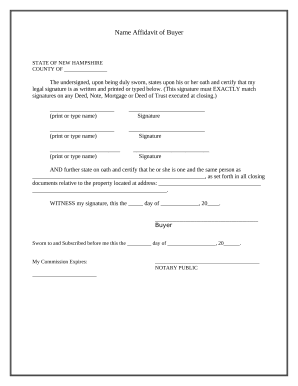
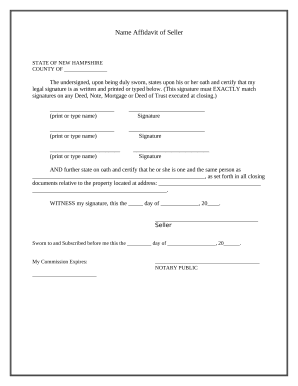
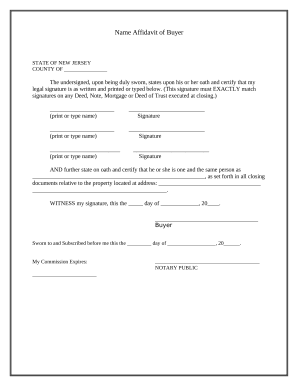
Enhance your template operations with Legal Closing Documents

Your workflows always benefit when you can easily find all of the forms and documents you may need at your fingertips. DocHub provides a a huge collection of templates to alleviate your everyday pains. Get hold of Legal Closing Documents category and quickly find your form.

Begin working with Legal Closing Documents in several clicks:

  1. Access Legal Closing Documents and find the form you need.
  2. Click on Get Form to open it in the editor.
  3. Start modifying your form: add more fillable fields, highlight paragraphs, or blackout sensitive information.
  4. The application saves your changes automatically, and once you are all set, you can download or share your file with other contributors.

Enjoy fast and easy file managing with DocHub. Explore our Legal Closing Documents collection and locate your form right now!


Video Guide on Legal Closing Documents management

video background

Commonly Asked Questions about Legal Closing Documents

List of closing documents Closing disclosure. The closing disclosure contains all of the details of your mortgage, including an itemized list of closing costs. Proof of homeowners insurance. Loan application. Mortgage or deed of trust. Note. Deed. Affidavit of title. Title insurance policy.
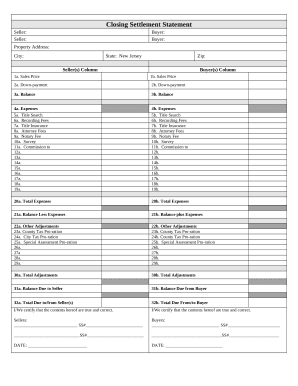
The closing statement, also called a closing disclosure or settlement statement, is essentially a comprehensive list of every expense that the buyer and/or seller must pay to complete the purchase of a home.
While each closing document serves a specific purpose, one of the most important documents at closing is the deed. The deed is a legal document that transfers ownership of the property from the seller to the buyer. It is essential because it establishes the buyers legal right to the property.
Closing documents are the legal papers that finalize the transfer of ownership of the property from seller to buyer, including all financial obligations and other details of the transaction. Some of the most important documents youll sign include the deed, bill of sale, and mortgage or loan documents. Closing Documents: What You Need to Sign - Orchard orchard.com blog posts closing-documents orchard.com blog posts closing-documents
However, the most important documents in real estate are offers, agreements, and contracts between the buyer and seller.
A closing statement or credit agreement is provided with any type of loan, often with the application itself. A sellers Closing Disclosure is prepared by a settlement agent and lists all commissions and costs in addition to the net total to be paid to the seller.
This will include the closing disclosure, the mortgage document securing your new home as collateral on the loan, a promissory note serving as your promise to repay the lender and the property deed, which transfers legal ownership of the property. You will pay closing costs and escrow items at the closing.
Final Settlement (or Closing) Statement: A financial disclosure giving an accounting of all funds received and disbursed at loan closing. Also known as HUD 1 Closing Statement.
Basically, you will sign a stack of legal documents that obligate you to repay your home loan, create a security interest in the home youre buying and make you legally responsible for the property. A Guide To Real Estate Closing Documents For Buyers rocketmortgage.com learn closing-docu rocketmortgage.com learn closing-docu