
Manage Landlord/Tenant Law easily online

Document managing can overpower you when you can’t locate all the forms you need. Luckily, with DocHub's substantial form collection, you can find everything you need and easily manage it without the need of switching between applications. Get our Landlord/Tenant Law and start utilizing them.

Using our Landlord/Tenant Law using these simple steps:

  1. Examine Landlord/Tenant Law and choose the form you need.
  2. Review the template and click Get Form.
  3. Wait for it to upload in the online editor.
  4. Adjust your document: add new information and images, and fillable fields or blackout certain parts if necessary.
  5. Complete your document, preserve adjustments, and prepare it for delivering.
  6. When ready, download your form or share it with other contributors.

Try out DocHub and browse our Landlord/Tenant Law category easily. Get your free profile today!

Video Guide on Landlord/Tenant Law management

video background

Commonly Asked Questions about Landlord/Tenant Law

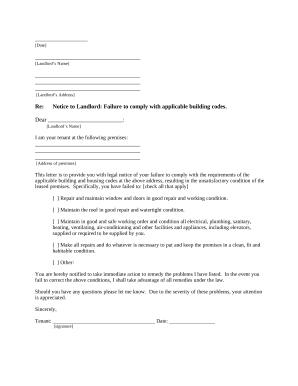
Tenants have the right to withhold rent due to unremedied code violations in their unit. If a landlord fails to provide their tenant with a safe, livable, and sanitary dwelling, the tenant has the right to pay their rent into a separate bank account, rather than to the landlord -- this is called paying in escrow.
What are the responsibilities of my landlord? Owners must ensure that buildings are safe, clean and well maintained, in both common areas and in individual apartments. Among other responsibilities, owners must provide and maintain security measures, heat, hot and cold water, and good lighting.
You may refuse entry to a landlord if they do not give proper notice for a visit, or if they try to enter for any reason beyond the five valid ones listed below. These rights cannot be waived they still apply if your lease says otherwise, or if you dont have a lease.
If you have been living in your home for over a year, your landlord must give at least 60 days notice. If you have been living in your home for more than 2 years, your landlord must give at least 90 days notice. rent as a security deposit. When you move out, they must return the security deposit within 14 days.
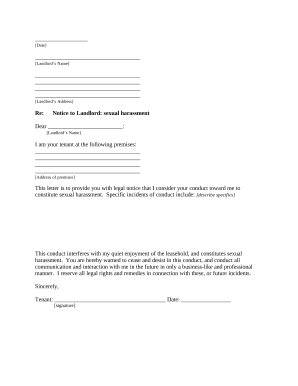
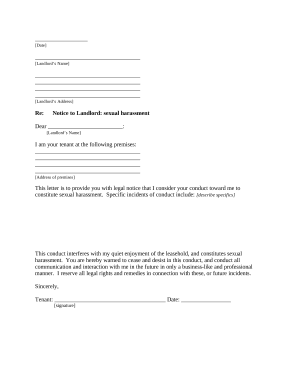
Tenants Rights and Responsibilities. In New York City, tenants have many rights relating to the safety and quality of their housing. Tenants should expect to live in safe, well-maintained buildings that are free from vermin, leaks, and hazardous conditions. Laws protect tenants from harassment and discrimination.
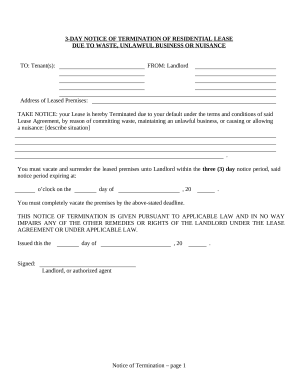
In New York 5 Page 9 City, 30 days notice is required, rather than one month. Landlords do not need to explain why the tenancy is being terminated, they only need to provide notice that it is, and that refusal to vacate will lead to eviction proceedings.
In rent controlled apartments statewide and in rent stabilized apartments outside New York City, a landlord may not evict a senior citizen, a person living with a disability, or any person who has been living in the apartment for 15 years or more for purposes of owner occupancy (NYC Admin.