Improve your template managing with Landlord Rights & Responsibilities

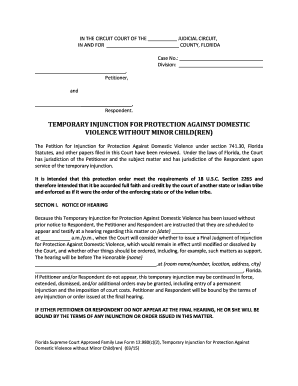
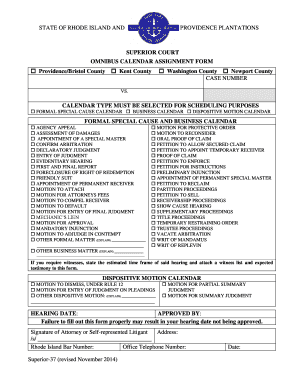
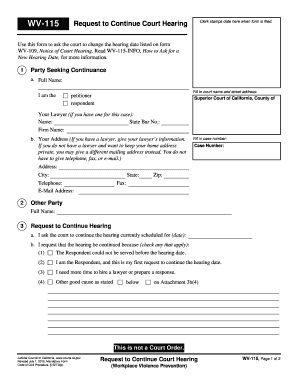
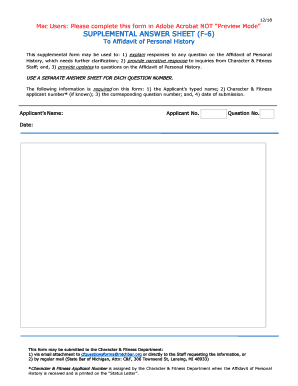
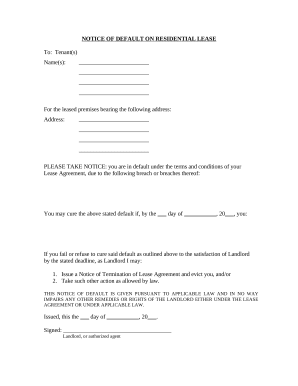
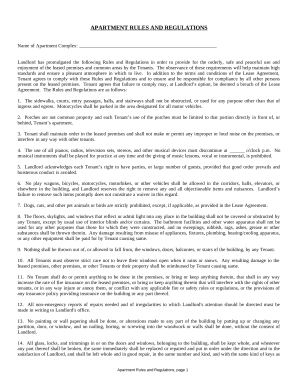
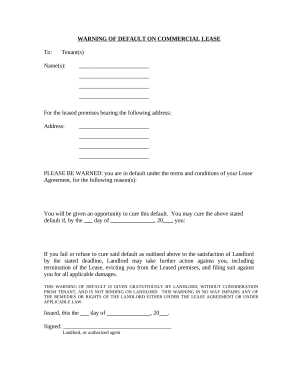
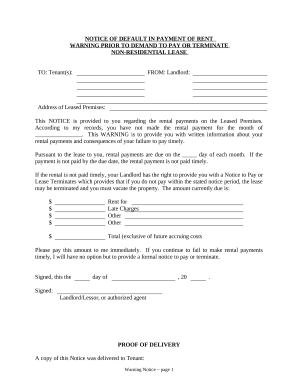
Your workflows always benefit when you can easily find all the forms and documents you require on hand. DocHub gives a a huge library of documents to relieve your day-to-day pains. Get hold of Landlord Rights & Responsibilities category and quickly browse for your form.

Start working with Landlord Rights & Responsibilities in several clicks:

  1. Open Landlord Rights & Responsibilities and locate the document you require.
  2. Click Get Form to open it in our editor.
  3. Start modifying your document: add more fillable fields, highlight paragraphs, or blackout sensitive data.
  4. The application saves your modifications automatically, and once you are all set, you are able to download or share your file with other contributors.

Enjoy easy document managing with DocHub. Check out our Landlord Rights & Responsibilities collection and locate your form right now!


Commonly Asked Questions about Landlord Rights & Responsibilities

A rental agreement is a contract (written or oral) under which a landlord allows a tenant to use and occupy its property for short time periods. Commonly, a rental agreement has a monthly duration to the extent it expires and is renewed by the parties each month.
Landlords cannot forcibly remove tenants by changing the locks, turning off utilities, or any other action that would force the tenant to leave. In order to evict a tenant, a landlord must first bring an Eviction Action, or what used to be called an Unlawful Detainer action, against the tenant.
Michigan and U.S. fair housing laws say that landlords cannot discriminate against tenants or applicants because of their race, color, religion, sex, familial status (kids under 18), national origin, disability, age, or marital status.
Most lease agreements outline most of these rights. A landlords rights include receiving a security deposit, timely rent payments, and tenant upkeep of the rental unit. A tenants rights include a habitable place to live. Certain federal laws cover other tenants rights, including freedom from housing discrimination.
State and local laws can vary, but as a landlord, you will generally be responsible for providing your tenants with a habitable dwelling, meaning that basic requirements for human occupancy such as having electricity, running water, a pest-free environment, and secure windows and doors must be met.
But, your landlord can still require you to move out for one of the no-fault reasons listed in the law. If your landlord evicts you for one of these reasons, they must first give you one months rent or waive one months rent to help you move out.
Final answer: The Lease Agreement gives the landlord the legal right to take action against a tenant for nonpayment of rent or destruction of property. While a security deposit can provide some protection for the landlord, it doesnt confer the legal right to take action.
Landlord Rights and Responsibilities Property owners must: Responsible for maintaining their rental properties in habitable condition. Managing security deposits. Ensuring that a property is clean and empty when a new tenant moves in.