

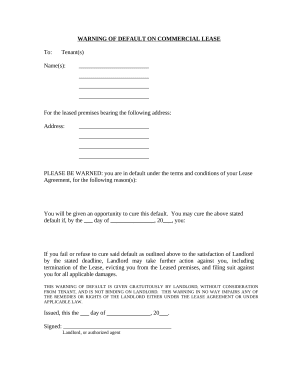
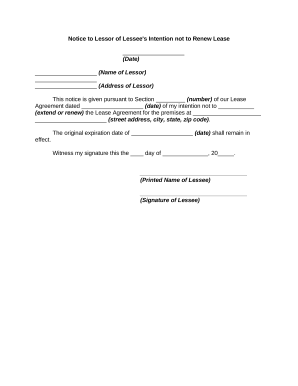
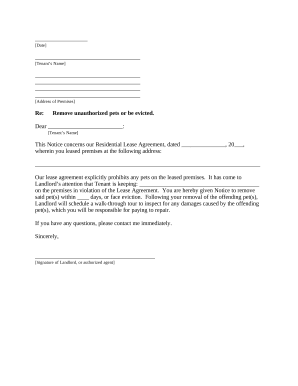
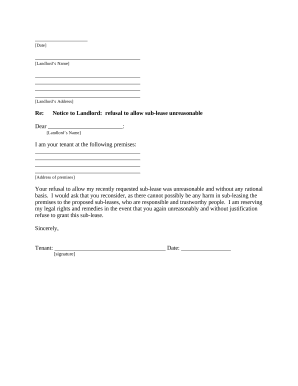
Transform your file operations with Landlord and Tenant Laws

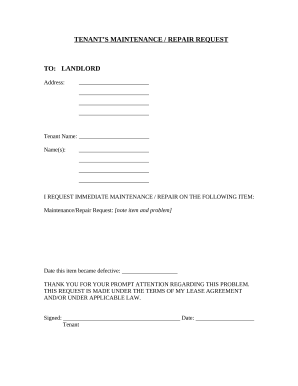
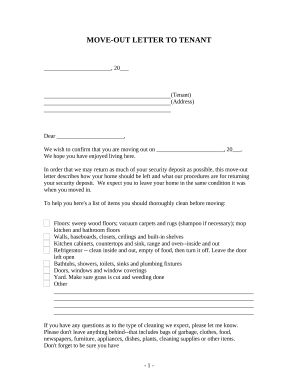
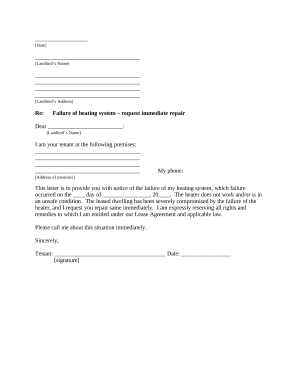
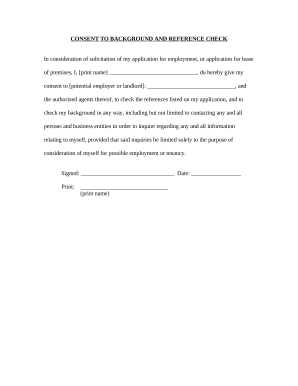
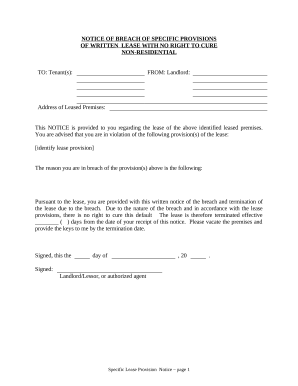
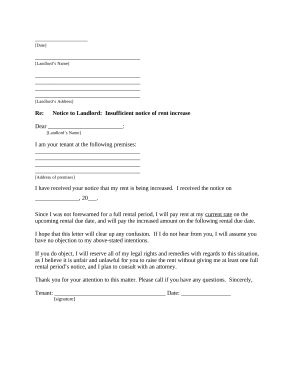
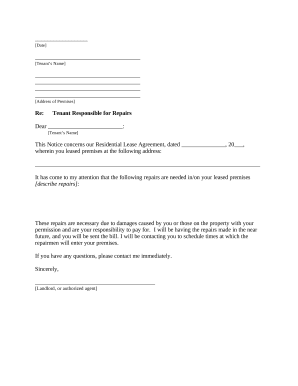
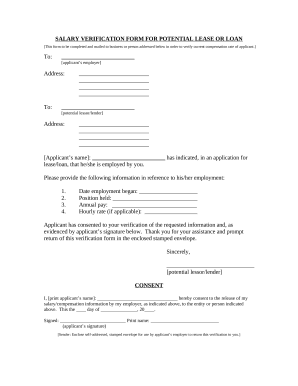
Your workflows always benefit when you can locate all the forms and documents you may need at your fingertips. DocHub provides a a huge collection of templates to alleviate your daily pains. Get hold of Landlord and Tenant Laws category and easily discover your document.

Begin working with Landlord and Tenant Laws in several clicks:

  1. Access Landlord and Tenant Laws and get the form you need.
  2. Click Get Form to open it in our editor.
  3. Start editing your document: add more fillable fields, highlight paragraphs, or blackout sensitive information.
  4. The application saves your adjustments automatically, and once you are ready, you are able to download or share your file with other contributors.

Enjoy fast and easy document management with DocHub. Check out our Landlord and Tenant Laws category and look for your form today!


Video Guide on Landlord and Tenant Laws management

video background

Commonly Asked Questions about Landlord and Tenant Laws

ing to the California Civil Code (1940-1954.05), the landlord has the right to collect rent, withhold security deposit return in case of property damages, evictions in case of agreement bdocHubes, and many more.
Which of the following actions by a real estate agent would be illegal? If a real estate agent channels prospective buyers toward particular neighborhoods because of their national origin, that is steering, a violation of the federal Fair Housing Act.
Peace and Quiet Your rights as a tenant include the right to quiet enjoyment, a legal term. This means your landlord cannot evict you without cause or otherwise disturb your right to live in peace and quiet. If other tenants in your building are disturbing you, you should complain to the landlord.
It is illegal discrimination to take any of the following actions because of race, color, religion, sex (including gender identity and sexual orientation), disability, familial status, or national origin: Refuse to rent or sell housing. Refuse to negotiate for housing.
Housing providers who refuse to rent or sell homes to people based on race, color, national origin, religion, sex, familial status, or disability are violating federal law, and HUD will vigorously pursue enforcement actions against them.
Final answer: The Lease Agreement gives the landlord the legal right to take action against a tenant for nonpayment of rent or destruction of property. While a security deposit can provide some protection for the landlord, it doesnt confer the legal right to take action.
Landlords in Tennessee may not evict tenants without providing proper notice and going through the legal eviction process. Self-help evictions, including changing locks or removing tenants belongings, are illegal.
Some examples of illegal landlord actions include: changing locks without giving notice. entering a tenants apartment without permission. refusing to make necessary repairs.
