

Commercial Sublease - Pennsylvania 2026

Get Form
Commercial Sublease - Pennsylvania Preview on Page 1

Here's how it works

01. Edit your form online
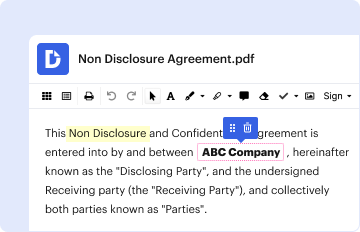
Type text, add images, blackout confidential details, add comments, highlights and more.
02. Sign it in a few clicks
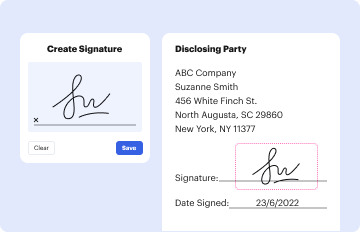
Draw your signature, type it, upload its image, or use your mobile device as a signature pad.
03. Share your form with others
Send it via email, link, or fax. You can also download it, export it or print it out.

How to use or fill out Commercial Sublease - Pennsylvania with our platform

Form edit decoration
9.5
Ease of Setup
DocHub User Ratings on G2
9.0
Ease of Use
DocHub User Ratings on G2
  1. Click ‘Get Form’ to open the Commercial Sublease - Pennsylvania in the editor.
  2. Begin by filling in the date of the agreement and the names of both the Sub-Lessor and Sub-Lessee at the top of the form.
  3. In Section 1, specify the leased property details, including any improvements. Ensure accuracy for legal clarity.
  4. For Section 2, indicate the lease term and reference the original lease date along with parties involved.
  5. In Section 3, enter rental amounts for both primary and extended terms, along with payment due dates.
  6. Section 4 requires you to define permissible uses for the leased property. Be specific to avoid future disputes.
  7. Complete Sections 5 through 22 by providing necessary information regarding indemnity, insurance, repairs, and additional provisions as applicable.

Start using our platform today to easily complete your Commercial Sublease - Pennsylvania for free!

be ready to get more

Complete this form in 5 minutes or less

Get form

Got questions?

We have answers to the most popular questions from our customers. If you can't find an answer to your question, please contact us.
Contact us
A potentially devastating detriment to a sublease is its subject to the original tenant not defaulting. You could be compliant with your sublease and receive notice your lease is terminated because the original tenant defaulted. You could be subject to the landlords new terms or be forced to vacate.
Before subleasing to another individual, the tenant must get the landlords approval. Missouri law allows the landlord to double the amount of rent if a tenant subleases without approval. If you sublease, you still are responsible to your landlord for the original lease payments and other terms.
A sublease occurs when the original owner does not lease the premises to you, but there is another person or entity in between you and the landlord. That is, the property owner rents to someone else, and then that person rents to you. Subleases are common in both commercial and residential properties.
Landlords approval generally needed In most commercial leases, tenants are required to obtain the landlords consent before subletting or underletting part or all of the premises.
Unlike residential agreements, which are governed by the states Landlord and Tenant Act, commercial leases operate primarily under general contract law principles. This means virtually all terms are negotiable, but also that there are few automatic protections for business tenants.

Security and compliance

At DocHub, your data security is our priority. We follow HIPAA, SOC2, GDPR, and other standards, so you can work on your documents with confidence.

Learn more
ccpa2
pci-dss
gdpr-compliance
hipaa
soc-compliance

People also ask

What is commercial subleasing? A commercial sublease is a stand-alone agreement between a tenant who already holds a lease to a commercial property (sublessor) and another party who wants to occupy part or all of that commercial property (sublessee).
In Pennsylvania, a tenant must obtain the landlords written consent before subleasing their rental unit. This requirement is typically outlined in the lease agreement. Landlords have the right to approve or deny a potential subtenant, though denial must be based on legally acceptable reasons.
In most commercial leases, tenants are required to obtain the landlords consent before subletting or underletting part or all of the premises. The lease typically stipulates that consent cannot be unreasonably withheld, meaning the landlord must have a valid reason for refusing the request.

Related links