Manage Health Care Legal Forms effortlessly online

Document management can overpower you when you can’t discover all the forms you require. Fortunately, with DocHub's vast form collection, you can find everything you need and swiftly manage it without changing between apps. Get our Health Care Legal Forms and start working with them.

The best way to manage our Health Care Legal Forms using these simple steps:

  1. Examine Health Care Legal Forms and choose the form you require.
  2. Preview the template and click on Get Form.
  3. Wait for it to upload in our online editor.
  4. Adjust your document: add new information and images, and fillable fields or blackout certain parts if required.
  5. Fill out your document, conserve alterations, and prepare it for sending.
  6. When all set, download your form or share it with other contributors.

Try out DocHub and browse our Health Care Legal Forms category with ease. Get a free account right now!

Video Guide on Health Care Legal Forms management

video background

Commonly Asked Questions about Health Care Legal Forms

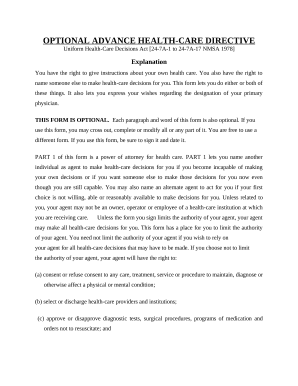
You can use an Advance Health Care Directive to say who you want to speak for you and what kind of treatments you want. These documents are called advance because you prepare one before healthcare decisions need to be made.
Advance directives and living wills are legal documents that give instructions to your family members, health care providers, and others about the kind of care you would want to receive if you can no longer communicate your wishes because you are incapacitated by a temporary or permanent injury or illness.
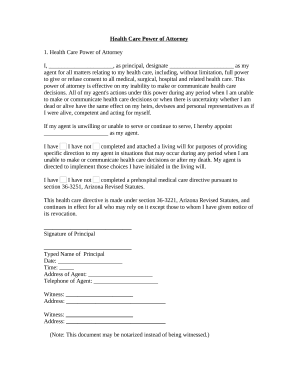
A health care proxy is a legal document that lets you choose an adult you trust to make medical decisions for you in case you are unable to communicate. The person you choose or appoint is called a health care agent.
A living will is a written document that specifies what medical treatment you would or would not want in the event you are in a terminal condition or a persistent vegetative state. A living will directs health care providers to cease or refrain from certain medical/surgical treatments.
An LHR is an effective legal document if it does the following: Provides a detailed view of a patients health history and prognosis. Records caregivers observations and measurements. Provides evidence that a certain type of care was necessary and what standards were used to deliver it.
Advance directives consist of (1) a living will and (2) a medical (healthcare) power of attorney. A living will describes your wishes regarding medical care. With a medical power of attorney you can appoint a person to make healthcare decisions for you in case you are unable to speak for yourself.
Living wills and other advance directives are written, legal instructions regarding your preferences for medical care if you are unable to make decisions for yourself.