



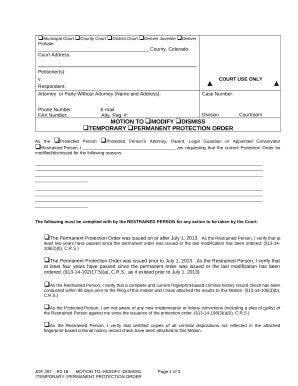

Get and manage Colorado Family Law Forms online
Speed up your form administration using our Colorado Family Law Forms category with ready-made form templates that meet your needs. Access the document template, alter it, complete it, and share it with your contributors without breaking a sweat. Begin working more efficiently together with your forms.
The best way to manage our Colorado Family Law Forms:
- Open our Colorado Family Law Forms and find the form you need.
- Preview your form to ensure it’s what you want, and click Get Form to start working on it.
- Change, include new text, or point out important information with DocHub features.
- Fill out your form and save the modifications.
- Download or share your document with other people.
Explore all the opportunities for your online file administration using our Colorado Family Law Forms. Get your free free DocHub profile today!
Video Guide on Colorado Family Law Forms management

Commonly Asked Questions about Colorado Family Law Forms
What form terminates parental rights in Colorado?
Both you and the other parent will need to complete JDF 452 Petition for Relinquishment (Expedited and Non-Expedited) and complete the signature section on the last page. You do not need to sign the document at the same time.
What is the difference between a no contact order and a restraining order in Colorado?
Restraining orders in Colorado are often temporary, usually lasting up to one year. However, they can be extended or modified depending on the circumstances and the level of threat perceived by the person who filed the order. No contact orders, conversely, are more enduring.
How long does a judge have to rule on a motion in Colorado?
Any post-trial motion that has not been decided within the 63-day determination period shall, without further action by the court, be deemed denied for all purposes including Rule 4(a) of the Colorado Appellate Rules and time for appeal shall commence as of that date.
Does signing over parental rights stop child support in Colorado?
There must be good cause for a parent to voluntarily terminate his or her parental rights. Simply not wishing to be a parent is not good enough. A judge will also refuse to grant a termination of parental rights simply so you dont have to pay child support.
How long does a parent have to be absent to lose rights in Colorado?
Stat. 19-3-604), a child would be considered abandoned if one of these two conditions exist: HIs or her parent or parents have rescinded custody of their child and have not made arrangements for alternative custody or care for at least 6 months, or.
What is a proposed order in Colorado?
A moving party may submit a proposed order with an unopposed motion or nondispositive motion. A general order attached to a motion (such as it is ordered or so ordered) is not permitted. A proposed order shall be a separate document, bear a separate caption, and set out clearly its basis and terms. (h) Hearing.
What is the purpose of a proposed order?
The proposed order is a formal document that contains the details of the requested relief or court action, and it is usually submitted to the court after a motion, hearing, or trial.
What is an entry of appearance in Colorado?
An entry of appearance shall state (a) the identity of the party for whom the appearance is made; (b) the attorneys office address; (c) the attorneys telephone number; (d) the attorneys E-Mail address; and (e) the attorneys registration number. (2)Withdrawal From an Active Case.
How to terminate parental rights in Colorado?
Complete an interrogatory form (questions that you must answer truthfully). Use JDF 512 Relinquishment Interrogatory - Father if you are the Father, or JDF 513 Relinquishment Interrogatory - Mother if you are the Mother. These forms need to be signed in front of a notary public or court clerk.
How do you relinquishing rights to a child in Colorado?
In Colorado, the procedure for relinquishing parental rights involves a petition filed with the court. The parents usually file this petition, and they must appear in court. The court will then review the petition to determine whether its in the best interest of the child.
Related Templates

Wire Transfer Form
The document provides detailed information for a wire transfer form, including fields for currency, correspondent bank n ...
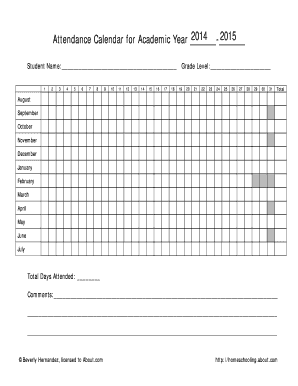
Student Attendance Calendar
The document is an attendance calendar for the academic year, designed for tracking student attendance by month. It incl ...

VA Lender Certification Form
The document is a VA Lender Certification form that requires the lender's information, including the VA case number, pro ...

North Carolina Notice of Hearing
The document is a Notice of Hearing for a case in the District Court of Union County, North Carolina. It provides detail ...
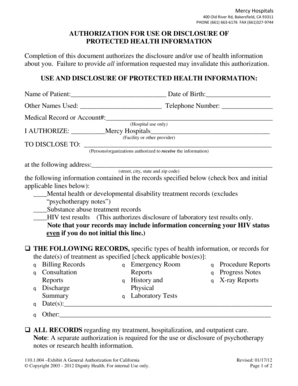
Authorization for Use or Disclosure of Protected Health Information
The document is an authorization form from Mercy Hospitals in Bakersfield, CA, allowing the use and disclosure of a pati ...

CertaPro Painters Employment Application
The document is an employment application for CertaPro Painters®, outlining the company's commitment to equal opportunit ...
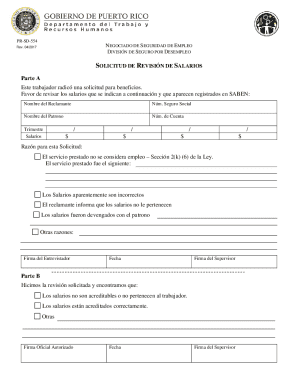
Employment Security Negotiation Form
The document PR-SD-554 is a form used for reviewing salary claims related to unemployment benefits. It includes sections ...

Minor Adoption Name Change Request
The document is a formal request for changing the name of an adopted minor, addressed to the Prefettura-U.T.G di Novara. ...