Enhance your production with Bankruptcy Proceedings

Document managing consumes to half of your business hours. With DocHub, it is easy to reclaim your time and increase your team's efficiency. Get Bankruptcy Proceedings category and investigate all templates related to your day-to-day workflows.

The best way to use Bankruptcy Proceedings:

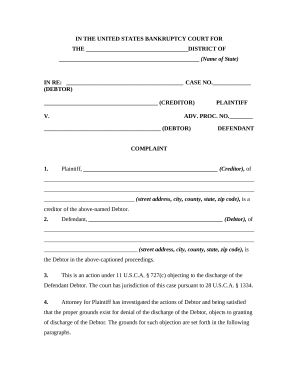
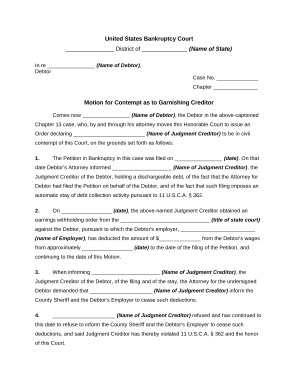
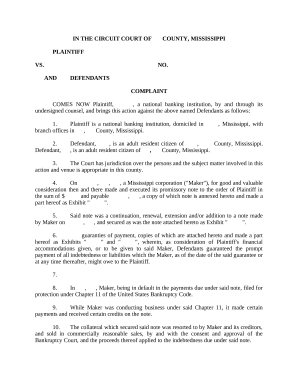
  1. Open Bankruptcy Proceedings and use Preview to find the appropriate form.
  2. Click on Get Form to begin working on it.
  3. Wait for your form to upload in our online editor and start editing it.
  4. Add new fillable fields, symbols, and images, adjust pages, and many more.
  5. Fill out your file or prepare it for other contributors.
  6. Download or share the form by link, email attachment, or invite.

Speed up your day-to-day file managing with the Bankruptcy Proceedings. Get your free DocHub account right now to explore all templates.


Video Guide on Bankruptcy Proceedings management

video background

Commonly Asked Questions about Bankruptcy Proceedings

Chapter 7 is the most common form of bankruptcy for individuals. Chapter 11 bankruptcy is usually for corporations because of its complexity, but individuals can file too.
The most common types of bankruptcy are chapter 7, which are liquidating bankruptcy, and chapter 13 cases, often used by individuals who want to catch up on past due mortgage or car loan payments and keep their assets.
Generally, Chapter 7 is more appropriate for simple cases while Chapter 13 for more complicated bankruptcies. Or somewhat more accurately, Chapter 13 can give you more power over and flexibility with certain kinds of creditors, and if you have non-exempt assets.
Though there are a million possible reasons why people might file bankruptcy, the following contributing factors are commonly cited. Loss of Income. Medical Expenses. Unaffordable Mortgage. Student Loans. Overwhelming Debt. Helping Friends or Relatives. Divorce.
Involuntary bankruptcy is a legal proceeding through which creditors request that a person or business go into bankruptcy. Creditors can request involuntary bankruptcy if they think that they will not be paid if bankruptcy proceedings dont take place. Involuntary Bankruptcy: What it is, How it Works - Investopedia investopedia.com terms involuntary-ban investopedia.com terms involuntary-ban
A case filed under chapter 11 of the United States Bankruptcy Code is frequently referred to as a reorganization bankruptcy. Usually, the debtor remains in possession, has the powers and duties of a trustee, may continue to operate its business, and may, with court approval, borrow new money.
apply to the court to oppose the bankruptcy order, setting out your reasons why, such as you dont owe the money, the creditor is out of time for taking legal action or that youve already made a reasonable offer of repayment. Send a copy of this notice to your creditor and their solicitor.