Get and handle Arbitration and Mediation online

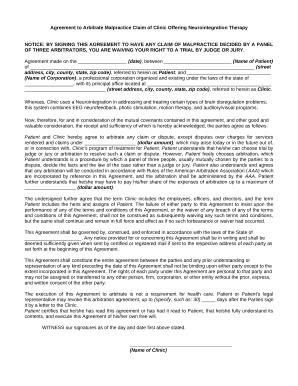
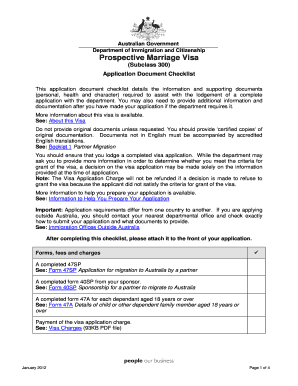
Boost your file operations with our Arbitration and Mediation collection with ready-made document templates that meet your requirements. Get your form template, edit it, fill it, and share it with your contributors without breaking a sweat. Begin working more efficiently with the forms.

The best way to use our Arbitration and Mediation:

  1. Open our Arbitration and Mediation and search for the form you want.
  2. Preview your document to ensure it’s what you want, and click Get Form to start working on it.
  3. Modify, include new text, or point out important information with DocHub features.
  4. Fill out your form and save the adjustments.
  5. Download or share your document with other recipients.

Discover all of the possibilities for your online file administration with the Arbitration and Mediation. Get your totally free DocHub account right now!

Video Guide on Arbitration and Mediation management

video background

Commonly Asked Questions about Arbitration and Mediation

Common ADR processes include mediation, arbitration, and neutral evaluation.
Consumers are more likely to win in arbitration than in court. This research from ndp | analytics demonstrates that in disputes initiated by a consumer, consumers fare much better in arbitration than they do in litigation.
The main distinction between the two is who makes the final decision. With mediation, the final decision is a docHubed agreement between the two conflicting parties, while arbitration calls on an arbitrator to analyze the case details and docHub a verdict.
Arbitration is a procedure in which a dispute is submitted, by agreement of the parties, to one or more arbitrators who make a binding decision on the dispute. In choosing arbitration, the parties opt for a private dispute resolution procedure instead of going to court.
The process of adjudication assumes the application of an external standard-namely the law-as contrasted with that of mediation, which looks to an outcome determined by the agreement of the parties, whereby the parties make the law for themselves. 5. Fuller, Adjudication, supra note 2, at 363-66.
Arbitration is like the court process as parties still provide testimony and give evidence similar to a trial but it is usually less formal. In mediation, the process is a negotiation with the assistance of a neutral third party. The parties do not docHub a resolution unless all sides agree.
With assistance of mediator, there is more certainty of achieving settlement than in arbitration; depends heavily on skills of mediator. Certainty in getting a decision at the end of the adjudication. Decision is interim in the sense that it may be replaced by a final arbitral award or Court judgment.
More than 80 percent of mediations result in a settlement, and in most cases the process is docHubly faster and less costly than arbitration. Mediation does not impose a solution and it is not binding until the parties docHub and sign a settlement agreement. Overview of Arbitration Mediation | FINRA.org finra.org arbitration-mediation about a finra.org arbitration-mediation about a
The Three Pillars of Dispute Resolution These are: 1 Negotiation; 2 Mediation (or third party intervention); and 3 Adjudication/ Arbitration/ Litigation.