Increase your production with Anti Harassment Letters

Record administration takes up to half of your office hours. With DocHub, it is possible to reclaim your office time and enhance your team's efficiency. Access Anti Harassment Letters online library and explore all form templates relevant to your daily workflows.

The best way to use Anti Harassment Letters:

  1. Open Anti Harassment Letters and use Preview to obtain the relevant form.
  2. Click on Get Form to start working on it.
  3. Wait for your form to upload in our online editor and begin editing it.
  4. Add new fillable fields, symbols, and pictures, adjust pages, and many more.
  5. Fill your document or prepare it for other contributors.
  6. Download or deliver the form by link, email attachment, or invite.

Accelerate your daily document administration with our Anti Harassment Letters. Get your free DocHub profile right now to explore all forms.


Video Guide on Anti Harassment Letters management

video background

Commonly Asked Questions about Anti Harassment Letters

Mailing Letters: Sending unsolicited, vulgar, or harassing letters can also be considered a form of harassment. Spreading False Information: Telling people negative or false things about you can be a form of defamation, depending on whats being said.
Mail Harassment Defined as sending email in a manner or with content that is perceived as threatening or harassing by the intended or actual recipient.
A comprehensive policy should clearly define what constitutes harassment, including specific examples. It should also outline the procedures for employees to report incidents, how these reports will be investigated, and the potential disciplinary actions that can be taken against offenders.
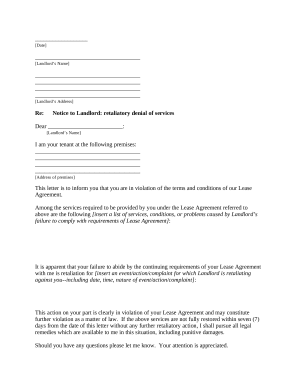
A cease and desist letter may help put a stop to harassment. However, depending on who is doing the harassing, the letter may cause the harasser to react adversely, so you need to use your judgment before sending one.
The cease and desist letter should include a clear and concise description of the harassing or offending behavior. The letter should also include the amount of time you are giving the recipient to remedy the issue and possible consequences. Remedying the issue typically means stopping the unlawful action.
Be clear and get to the point. Provide enough information that HR can see there is a harassment problem that needs investigation. Explain where and when the harassment occurred, as well as who witnessed it. Describe the incidents in chronological order, which is the easiest for people to understand.
Verbal harassment: This can include derogatory comments, slurs, or insults, as well as unwanted sexual advances, requests for sexual favors, or other sexually explicit language.
Petty slights, annoyances, and isolated incidents (unless extremely serious) will not rise to the level of illegality. To be unlawful, the conduct must create a work environment that would be intimidating, hostile, or offensive to reasonable people.