






Definition and Purpose of the DS-3053
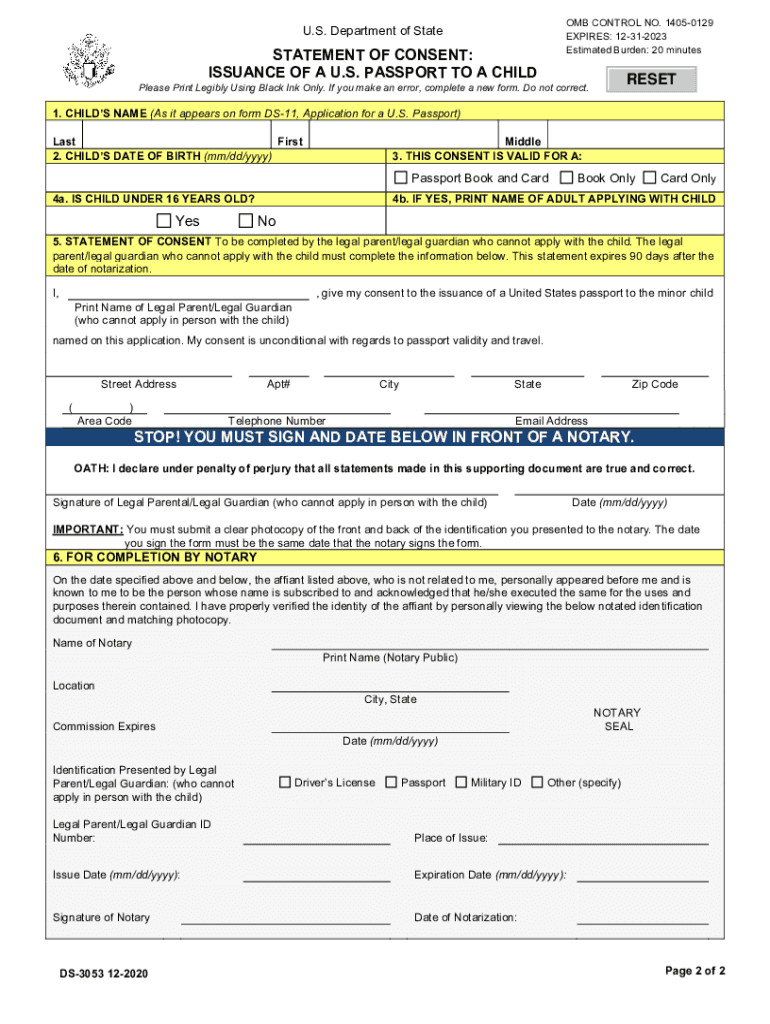
The DS-3053 form, also known as the Statement of Consent for Issuance of a U.S. Passport to a Minor, is a document issued by the U.S. Department of State. It is specifically designed for cases where one or both parents or guardians are unable to apply in person for a child's passport. The purpose of the DS-3053 is to legally grant consent for the issuance of a U.S. passport for a minor, typically under the age of 16. This form is crucial to ensure that children can travel internationally with proper authorization and in compliance with U.S. law.
Key Components of the DS-3053
- Consent Verification: The DS-3053 requires that the parent or guardian provides verified consent, ensuring that all parties involved are aware of and agree to the passport application.
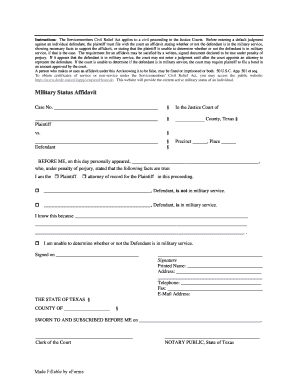
- Notarization Requirement: To maintain legal integrity, the form must be notarized, requiring the signatory to appear in front of a notary public at the time of signing.
- Parental Guidance: The form outlines specific instructions related to children's travel, including details about ages and consent requirements.
Steps to Complete the DS-3053
Completing the DS-3053 involves several steps, each of which is essential to ensure that the application is valid and accepted for processing by the Department of State.
-
Obtain the Form: The DS-3053 can be downloaded as a PDF from the U.S. Department of State's website or accessed through various IRS services. Ensure you have the most up-to-date version.
-
Fill Out the Form: Using clear and concise language, fill in the required fields, including:
- Child's full name
- Date of birth
- The name of the absent parent or guardian
- Details of the person providing consent
-
Get It Notarized: Once completed, take the form to a notary public. Both the consent giver and the notary must be present for verification. The notary will witness the signing and add their seal.
-
Submit with Passport Application: Along with the DS-3053, attach the completed passport application form (typically the DS-11) and any other required documents, including proof of relationship and identification.
-
Follow Submission Guidelines: Submit your application either via mail, in person at a passport acceptance facility, or using the right channels as instructed by the Department of State.
Important Considerations Related to the DS-3053
Understanding the context in which the DS-3053 form operates is critical for its proper application. Here are significant considerations:
Legal Use of the DS-3053
The DS-3053 is legally recognized as a consent form under U.S. law. Parents or legal guardians must utilize this form to legitimize a passport request when one parent cannot be present. This legal requirement protects against abductions and ensures that children may travel internationally only with appropriate permissions.
Required Documents When Submitting the DS-3053
Alongside the DS-3053, applicants should include:
- Proof of identity for both parents/guardians
- The child's birth certificate or evidence of citizenship
- A passport photo of the child in adherence to passport photo specifications
Who Typically Uses the DS-3053?
The DS-3053 is frequently used by:
- Divorced or separated parents when one parent cannot attend the passport application in person.
- Guardians who legally oversee minors who may not have both biological parents available.
- Family members who are applying for passports on behalf of children for travel.

Examples of Situations Requiring the DS-3053
In practical scenarios, the DS-3053 form comes into play under various circumstances:
- Divorce Cases: If one parent has primary custody and the other parent is abroad or unavailable, the custodial parent would need to complete the DS-3053 to provide written consent for the child's passport application.
- Travel for Extended Family Events: If grandparents, aunts, or uncles wish to take a child on a trip and one or both parents cannot accompany them, the DS-3053 enables appropriate legal consent.
Penalties for Non-Compliance with the DS-3053
Failing to use the DS-3053 correctly can result in significant penalties:
- Passport Application Delays: Not having the necessary consent form can lead to application rejection, which may impede planned travel.
- Legal Consequences: In issues surrounding custody and guardianship, inadequately providing consent could potentially lead to legal repercussions, including custody disputes.
By understanding these key aspects of the DS-3053, individuals involved in travel planning for minors can navigate the passport application process more efficiently, ensuring compliance with U.S. laws and regulations regarding child travel.