





Definition & Meaning
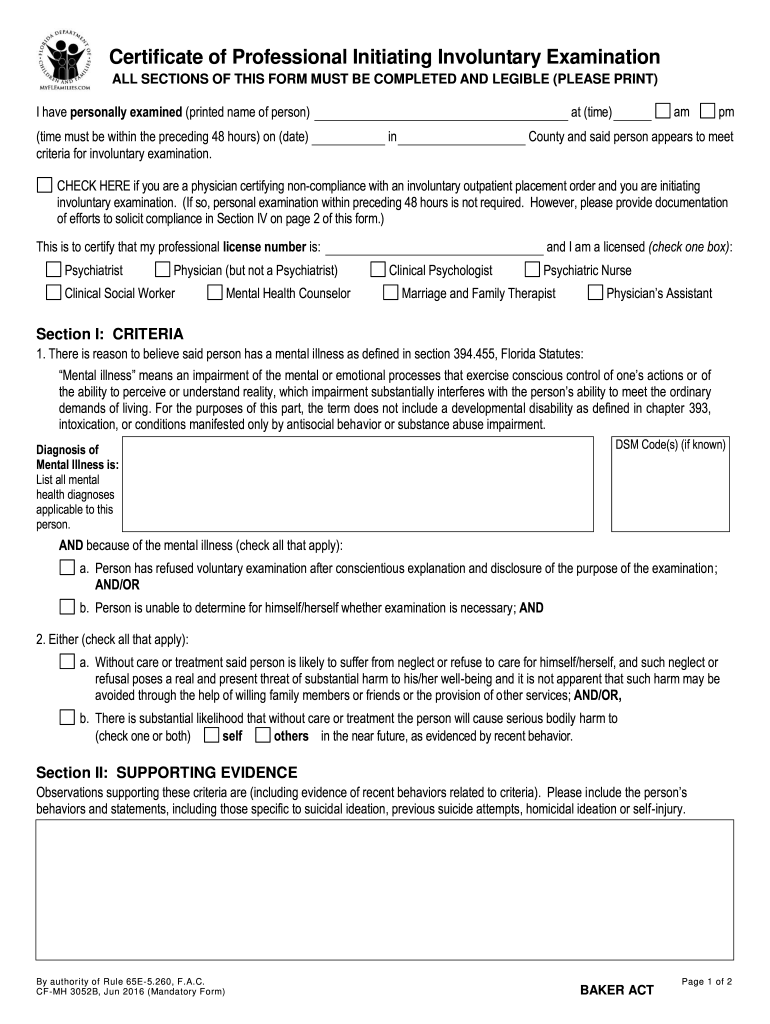
The Baker Act form Florida, officially known as the "Certificate of Professional Initiating Involuntary Examination," is a legal document used in Florida that allows for the involuntary examination of individuals who are believed to be experiencing a mental health crisis. This form is primarily utilized by licensed mental health professionals to affirm that an individual meets the necessary criteria for involuntary examination under Florida law.
The form holds significant legal weight, initiating a process that may lead to the temporary commitment of an individual for mental health evaluation and, if required, treatment. Specifically, the form includes sections where the mental health professional details observed behaviors, the individual’s mental state, and any previous compliance with outpatient treatment. Accurate documentation and clarity within this form are crucial for ensuring that the rights of the individual are respected while addressing urgent public safety concerns.
Steps to Complete the Baker Act Form Florida
Completing the Baker Act form requires careful attention to detail to ensure compliance with legal standards. Here are the necessary steps:
-
Identify the Individual:
- Fill in the individual's personal details, including full name, date of birth, and address.
- It's important to ensure that all identifying information is accurate and current.
-
Document Observations:
- Describe the individual’s recent psychiatric symptoms or behaviors that warrant the involuntary examination.
- Include specifics such as risk of harm to self or others, inability to care for oneself, or other crucial indicators of mental illness.
-
Evaluate Treatment History:
- Include information on any previous treatments or interventions that the individual has undergone.
- Note compliance with outpatient treatment and how these factors relate to the current examination request.
-
Complete Required Sections:
- Fill in all designated sections of the form, including supporting evidence and justifications.
- Ensure that sections regarding recommendations for law enforcement, if applicable, are addressed.
-
Sign and Date the Form:
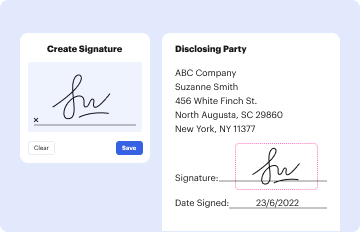
- The licensed mental health professional must sign and date the form, affirming that the individual meets the criteria for involuntary examination.
- Retain a copy for professional records and for potential review by authorized parties.
Accuracy and completeness are essential when filling out the Baker Act form to ensure it effectively communicates the need for the individual to undergo mental health examination.
Important Terms Related to Baker Act Form Florida
Understanding key terms related to the Baker Act form Florida enhances comprehension for both mental health professionals and individuals involved in the process. Some pertinent terms include:
-
Involuntary Examination: This term refers to the process whereby an individual is examined for mental health issues without their consent, typically initiated through the Baker Act.
-
Mental Illness: A clinically significant condition affecting an individual's cognitive, emotional, or behavioral functioning, which may lead to dangerous behaviors.
-
Emergency Hospitalization: A situation where an individual requires immediate admission to a mental health facility for stabilization and assessment.
-
Crisis Stabilization Unit: A specialized facility that provides services aimed at stabilizing individuals in a mental health crisis.
-
Law Enforcement Transport: Procedures related to how law enforcement may facilitate the transfer of an individual to an evaluation facility once the Baker Act form has been completed.
Familiarity with these terms helps in understanding the broader context of the Baker Act and its implications in mental health care.
Who Typically Uses the Baker Act Form Florida
The Baker Act form is predominantly used by various professionals and organizations within the mental health and legal environments. Key users include:
-
Licensed Mental Health Professionals: Psychiatrists, psychologists, social workers, and mental health counselors initiate the Baker Act process when they identify an individual in crisis.
-
Emergency Responders: Law enforcement officers are often involved in transporting individuals to treatment facilities following verification of the Baker Act form.
-
Hospitals and Health Facilities: Staff within these establishments may utilize the form to facilitate the admission process for individuals under mental health evaluation.
-
Advocate Groups: Organizations focused on mental health advocacy often reference the Baker Act to educate communities about mental health rights and intervention methods.
Understanding who typically utilizes the Baker Act form provides insight into the collaborative nature of mental health interventions and the legal processes involved.

Legal Use of the Baker Act Form Florida
The legal framework governing the use of the Baker Act form outlines specific protocols and guidelines to ensure the rights of individuals are upheld. Key elements include:
-
Legal Authority: The Baker Act grants licensed professionals the authority to initiate involuntary examinations based on observed criteria defined by Florida law.
-
Protection of Rights: Individuals undergoing involuntary examination must be informed of their rights under the Baker Act, including the right to request legal counsel.
-
Duration of Hold: The form stipulates the maximum period for which an individual may be held for evaluation, typically up to 72 hours before a determination regarding further treatment or release is made.
-
Confidentiality Requirements: All information related to the process, including the completed Baker Act form, is considered confidential and can only be shared with authorized parties involved in the mental health treatment process.
These legal aspects ensure that the Baker Act form is used appropriately and that individuals' rights are safeguarded throughout the examination process.