




Understanding a Simple Tenancy Agreement Template in New Zealand
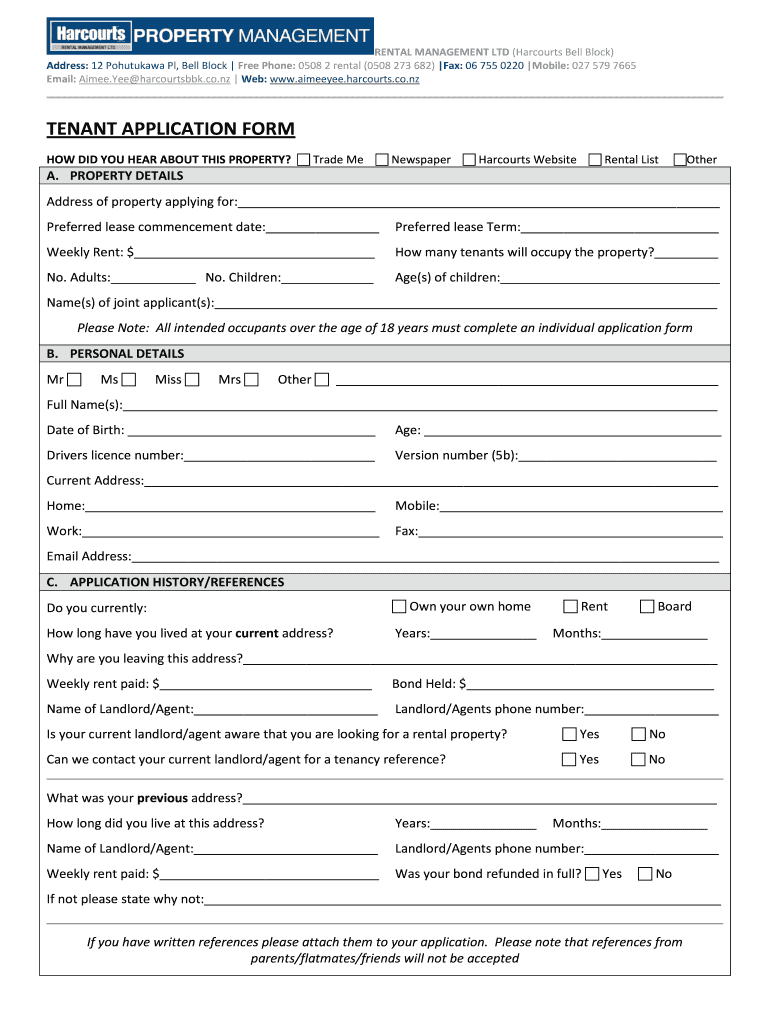
A simple tenancy agreement template serves as a fundamental document that outlines the responsibilities and rights of both landlords and tenants in a rental arrangement in New Zealand. It provides a structured framework that ensures all parties are aware of their legal obligations. To optimize its effectiveness, it should be clear and comprehensive, covering essential terms that contribute to a smooth rental experience.
Key Components of a Tenancy Agreement
-
Identification of Parties: A tenancy agreement must identify the landlord and tenant, including their full names and contact details. This ensures that all parties are clearly defined in the contract, aiding in communication and accountability.
-
Property Details: The agreement should specify the exact address of the rental property. This includes details about the premises being rented, such as the type and size, which helps to clarify what is included in the lease.
-
Duration of Tenancy: It is crucial to define the lease term, indicating whether it is a fixed term (e.g., six months) or periodic (e.g., month-to-month). This helps both parties understand the expected duration of the rental arrangement.
-
Rental Amount and Payment Terms: The agreement must clearly state the amount of rent due, payment frequency, and acceptable payment methods. This ensures that the tenant understands their financial obligations and helps the landlord manage cash flow.
Rights and Responsibilities
-
Landlord Obligations: The tenancy agreement outlines the responsibilities of the landlord, which typically include maintaining the property in a habitable condition, ensuring necessary repairs are made promptly, and respecting tenants’ privacy.
-
Tenant Obligations: Tenants are expected to pay rent on time, maintain the property, and avoid disturbing neighbors. The contract may detail actions considered violations, providing grounds for notices or eviction.
Inclusion of Essential Clauses
-
Notice Periods: The agreement should detail the notice periods required for both parties to terminate the rental agreement. This might differ based on local laws, making it essential to include those conditions explicitly.
-
Bond Information: If a bond is required, the tenancy agreement should outline the amount and conditions for its return at the end of the tenancy. This clause protects both the landlord’s property and the tenant’s security deposit.
-
Utilities and Other Charges: Clarifying who is responsible for which utilities can prevent disputes. The agreement should specify which costs are covered by the tenant (e.g., electricity, water, internet).
Additional Considerations
-
Alterations and Modifications: Landlords may wish to include clauses that restrict tenants from making changes to the property without consent. This protects the property’s integrity and value.
-
Pets Policy: Many landlords specify policies regarding pets in the agreement. This helps set clear expectations and avoid potential conflicts about pet ownership.
-
Dispute Resolution Procedures: Including methods for resolving disputes can help parties address issues amicably. This might reference mediation or arbitration before taking legal action.
Practical Examples and Scenarios
-
Fixed vs. Periodic Tenancy: In a fixed-term tenancy, if a tenant wishes to leave before the agreement ends, they may forfeit their bond. However, in a periodic tenancy, either party can terminate with notice, potentially creating more flexibility.
-
Rental Increases: The agreement might allow for annual rent increases, provided they follow specified rules and notices as defined in the tenancy laws of New Zealand.
-
Example Clause: “The landlord shall provide the tenant with a written notice of at least 60 days prior to any rental increase,” ensuring transparency.
Effective Use of the Tenancy Agreement Template
-
Customization and Adaptation: While templates are invaluable, they should be adapted to fit individual situations. Unique property attributes and specific arrangements must be reflected accurately to ensure the agreement serves its purpose.
-
Legality: Both parties must be aware of the legal framework governing tenancy agreements in New Zealand, as outlined in the Residential Tenancy Act. Using a reputable simple tenancy agreement template can ensure compliance.
Leveraging a comprehensive and clear simple tenancy agreement template not only safeguards the interests of both landlords and tenants but also contributes to a professional and cordial rental relationship.