







Definition and Meaning of the ICDS Monthly Progress Report
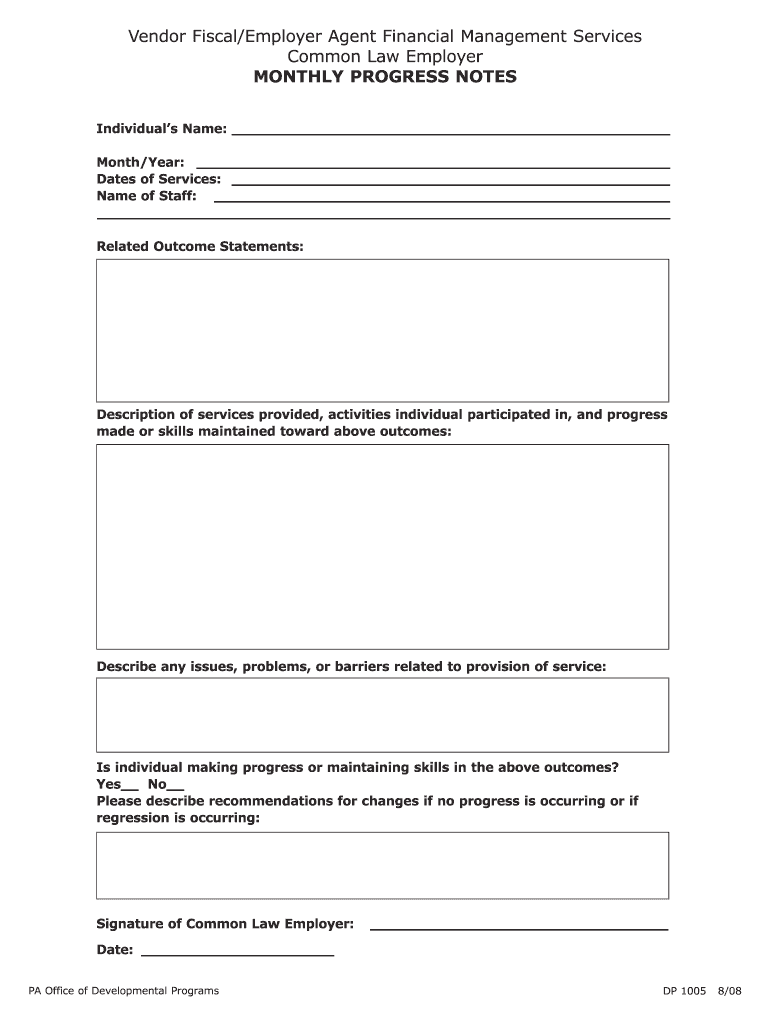
The ICDS Monthly Progress Report (MPR) is a structured document used primarily by agencies and organizations involved in the Integrated Child Development Services (ICDS) program in India. This report is crucial for monitoring and evaluating the delivery of essential health and nutrition services to children and mothers. It serves to record data regarding service outreach, participation levels, and progress towards set objectives, thus assisting in effective program management.
The MPR encompasses several key components, including:
- Service Descriptions: Detailed accounts of the services rendered, such as supplementary nutrition, health check-ups, immunization, and preschool education.
- Progress Evaluation: An analysis of how beneficiaries have progressed towards specific outcomes, including height and weight measurements for children and prenatal care for mothers.
- Barriers Encountered: Documentation of challenges faced during service delivery, which may include logistical issues, community resistance, or resource scarcity.
- Recommendations: Suggestions for improving service delivery or making necessary adjustments to plans based on the data collected.
Steps to Complete the ICDS Monthly Progress Report
Completing the ICDS Monthly Progress Report involves a systematic approach to ensure accuracy and comprehensiveness. The following steps outline the process effectively:
- Gather Data: Collect relevant data from various sources, including health records and participation logs. Ensure all information reflects the reporting month accurately.
- Fill Out the Form: Start populating the MPR with the data collected. This includes sections for detailing services provided and outcomes achieved.
- Document Barriers and Issues: Identify any challenges faced during the month, including infrastructure problems or community engagement issues. Document these thoroughly.
- Evaluate Progress: Assess the progress made towards the established goals. This could involve comparing data against baseline figures or other benchmarks.
- Prepare Recommendations: Based on the documented barriers and progress evaluation, suggest actionable changes or initiatives to improve service delivery.
For instance, if a healthcare worker notes a drop in attendance at immunization camps, they might recommend enhanced outreach efforts or community awareness initiatives to address this issue.
Important Terms Related to the ICDS Monthly Progress Report
Familiarity with specific terminology involved in the ICDS Monthly Progress Report is essential for accurate completion and understanding. Here are key terms associated with the report:
- Beneficiaries: Refers to the individuals—primarily children under six years and pregnant or nursing mothers—who receive services under the ICDS program.
- Services Rendered: The specific types of support or interventions provided in relation to health, nutrition, and education.
- Monitoring and Evaluation (M&E): A systematic process used to assess the performance and impact of the ICDS services, guiding adjustments based on evidence and outcomes.
- Outcomes: Specific, measurable results that indicate the effectiveness of services, such as improved nutritional status or increased preschool enrollment.
Understanding these terms enhances clarity in filling out the MPR and contributes to effective communication among stakeholders involved in child welfare.
Who Typically Uses the ICDS Monthly Progress Report
The ICDS Monthly Progress Report is utilized by a diverse range of individuals and organizations involved in child and maternal health services, including:
- ICDS Field Workers: They collect and report data on services provided and feedback from the community.
- Program Administrators: They use the MPR to evaluate program effectiveness and allocate resources accordingly.
- Government Officials: These stakeholders monitor compliance with national policies and assess overall program performance.
- NGOs and Community Organizations: Groups focused on child welfare often leverage MPR data to advocate for improvements and additional resources.
Using the MPR enables these users to make informed decisions that enhance service delivery and support.


Examples of Using the ICDS Monthly Progress Report
Practical applications of the ICDS Monthly Progress Report can significantly impact program effectiveness. Here are some illustrative scenarios:
- Service Evaluation: A field worker analyzes the data on immunization coverage over several months, identifying trends and areas needing improvement. Utilizing this data, they can advocate for increased resources during community meetings.
- Addressing Challenges: If a report indicates low engagement due to misconceptions about service benefits, stakeholders can develop targeted communication campaigns or workshops to inform the community better.
- Resource Allocation: Program managers can review aggregate MPR data to identify areas that consistently struggle with participation. This data can guide decisions on where to send additional staff or materials.
These examples exemplify the report's value in informing efforts and enhancing the delivery of services to beneficiaries.
Steps to Obtain the ICDS Monthly Progress Report
Acquiring the ICDS Monthly Progress Report is a straightforward process, typically involving the following steps:
- Contact Local ICDS Offices: Reach out to your nearest ICDS office or the relevant authority within your district.
- Official Websites: Some states or districts might provide downloadable formats of the report on their official websites, facilitating easier access.
- Request via Email or Phone: For localized data, consider directly contacting field workers or program coordinators to request copies of the report.
- Attend Training Sessions: Various training programs for ICDS workers may include providing templates to participants, ensuring they understand how to fill them out effectively.
By following these steps, users can effectively obtain and leverage the ICDS Monthly Progress Report for their needs.




