






Comprehensive Guide to Discharge Plan Template
Definition and Purpose of a Discharge Plan Template
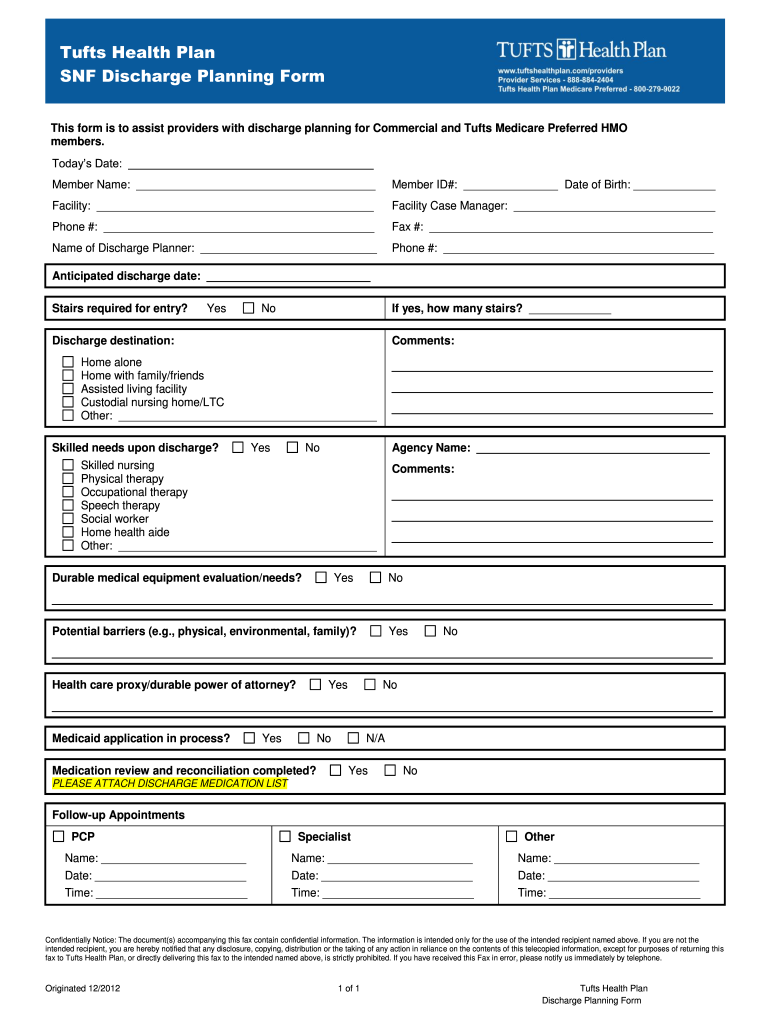
A discharge plan template is a structured document designed for healthcare providers to facilitate the smooth transition of patients from healthcare facilities to their homes or other care settings. This template outlines critical details regarding a patient’s ongoing care needs, equipment, follow-up appointments, and potential barriers to successful discharge. Utilizing such a template not only standardizes the discharge process but also enhances communication among healthcare teams, patients, and caregivers, ensuring that all parties are informed and prepared.
- Objectives:
- Ensure all necessary follow-up care is clearly outlined.
- Identify patient needs for equipment or services post-discharge.
- Provide a framework for communication among healthcare providers and patients.
Components of a Discharge Planning Form
The discharge planning form includes several essential sections that address the various needs of the patient. Each section serves a crucial role in the discharge process.
- Patient Information:
- Full name and contact details
- Date of birth and medical record number
- Discharge Details:
- Planned discharge date and time
- Information on the healthcare provider’s recommendations
- Skilled Needs Assessment:
- Specific medical or nursing care required after discharge
- Details on rehabilitation or therapy services
- Durable Medical Equipment (DME) Evaluation:
- List of necessary equipment, such as wheelchairs or oxygen tanks
- Instructions on how to acquire or use DME
- Follow-Up Appointments:
- Dates and times for follow-up visits with healthcare providers
- Contact information for the outpatient clinics
Steps to Create an Effective Discharge Plan
Creating a comprehensive discharge plan involves several critical steps that must be followed to ensure thoroughness and clarity.
- Initial Assessment:
- Evaluate the patient’s medical condition, social support, and home environment.
- Engage the patient and family in discussions about discharge needs.
- Develop the Discharge Plan:
- Utilize the discharge plan template to clearly outline all necessary components.
- Assign responsibilities for follow-up care among healthcare team members.
- Review and Finalize the Plan:
- Review the draft plan with the patient and family for their input and understanding.
- Make any necessary adjustments based on feedback.
- Implement the Discharge Plan:
- Ensure the patient and caregivers have copies of the discharge plan.
- Schedule follow-up appointments and procure any needed equipment.
- Post-Discharge Follow-Up:
- Confirm the patient’s understanding of their discharge instructions.
- Schedule a follow-up assessment after discharge to monitor progress.
Examples of Discharge Plan Formats
A well-structured discharge plan can adopt various formats, each catering to specific needs or settings.
- Hospital Discharge Plan:
- A detailed plan is typically used for patients transitioning from acute care.
- Nursing Home Discharge Plan:
- Focuses on outpatient care and services for residents transitioning back home.
- Home Care Discharge Plan:
- Designed for patients who will continue receiving care in their homes, focusing on their specific home environment and available support.
Ideal Discharge Planning Practices
To optimize discharge outcomes, healthcare facilities should adopt best practices in discharge planning which can enhance patient safety and satisfaction.
- Early Planning:
- Initiate discharge planning at the time of admission, ensuring proactive considerations for the patient’s journey.
- Interdisciplinary Collaboration:
- Engage a multidisciplinary team including nurses, social workers, and therapists to create a comprehensive plan.
- Patient Education:
- Empower patients with knowledge concerning their conditions, medications, and follow-up care to reduce readmission rates.
- Use of Technology:
- Implement electronic health records to streamline communication and improve documentation accuracy.
Addressing Potential Barriers
Effective discharge planning must also anticipate and address potential barriers that may impede a smooth transition.
- Social Determinants of Health:
- Consider factors such as financial constraints, lack of transportation, or insufficient social support.
- Patient Understanding:
- Ensure patients comprehend discharge instructions to minimize confusion and the likelihood of complications.
- Access to Resources:
- Identify resources for medication management, follow-up care, and transportation services to aid discharge success.
Documentation and Legal Considerations
Proper documentation of the discharge plan is essential not only for continuity of care but also for legal purposes.
- Compliance with Regulations:
- Adhere to federal and state regulations governing discharge planning processes.
- Retention of Records:
- Maintain discharge plans as part of the patient’s medical record to facilitate future care decisions.
Conclusion
The discharge plan template is pivotal for ensuring that patients transition safely from healthcare settings to supportive environments. By encompassing various sections and addressing potential barriers, a thorough discharge plan serves not only as a checklist but as a vital document promoting patient safety and successful recovery.