




Here's how it works
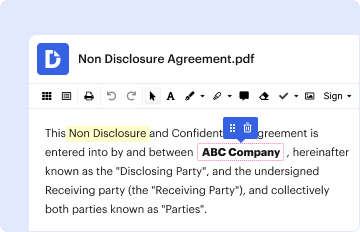
01. Edit your abrazo patient portal online
Type text, add images, blackout confidential details, add comments, highlights and more.
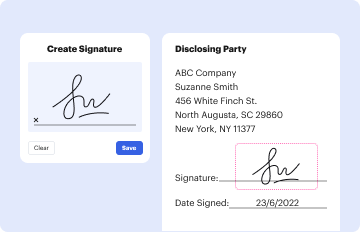
02. Sign it in a few clicks
Draw your signature, type it, upload its image, or use your mobile device as a signature pad.
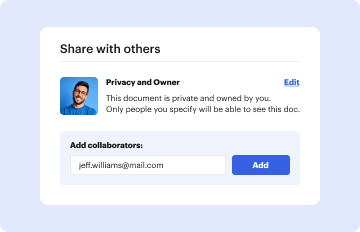
03. Share your form with others
Send abrazo medical group patient portal via email, link, or fax. You can also download it, export it or print it out.
How to use or fill out abrazo release form with our platform

- Click ‘Get Form’ to open the abrazo release form in the editor.
- Begin by entering your personal information, including your name, date of birth, and account number. Ensure all details are accurate for proper identification.
- Fill in your contact information, including telephone number and current address. This is essential for any follow-up communication regarding your request.
- Select the specific medical information you wish to release by checking the appropriate boxes under 'PLEASE RELEASE THE FOLLOWING INFORMATION.'
- Indicate the purpose of your request by selecting one of the options provided. This helps clarify why you need access to this information.
- Authorize the healthcare entities by checking the relevant boxes. Make sure to include any other healthcare entity if applicable.
- Sign and date the form at the bottom. If someone else is signing on your behalf, ensure they provide their relationship to you.
Start using our platform today to easily complete your abrazo release form online for free!
Fill out abrazo release form online
It's free
It's free
Got questions?
We have answers to the most popular questions from our customers. If you can't find an answer to your question, please contact us.
Contact us
What is a DR release form?
What is a Medical Records Release? A Medical Records Release is used to request that a health care provider (physician, dentist, hospital, chiropractor, psychiatrist, etc.) release a patients medical records, either to the patient, a third party (such as an employer or insurance company), or both.
Who authorizes release of medical information?
Under California law, most disclosures of your medical information require your written consent and must be limited to the specific purposes you authorize. You should carefully read any form disclosures that you may be given to sign by your doctor, HMO, other health care provider or employer.
Who is authorized to release patient information?
The Privacy Rule allows those doctors, nurses, hospitals, laboratory technicians, and other health care providers that are covered entities to use or disclose protected health information, such as X-rays, laboratory and pathology reports, diagnoses, and other medical information for treatment purposes without the
Who has permission to access a patients personal health information?
An individuals personal representative (generally, a person with authority under State law to make health care decisions for the individual) also has the right to access PHI about the individual in a designated record set (as well as to direct the covered entity to transmit a copy of the PHI to a designated person or
What is a authorization release form?
A HIPAA release form, also known as a HIPAA authorization or HIPAA consent form, is a legal document signed by an individual to grant permission for their protected health information (PHI) to be used by authorized individuals at covered entities for specific purposes other than treatment, payment, and health care
Security and compliance
At DocHub, your data security is our priority. We follow HIPAA, SOC2, GDPR, and other standards, so you can work on your documents with confidence.
Learn more


People also ask
Who must provide release of information?
Whether presenting a settlement offer or releasing medical records to a third party for a case, the claimant is required to sign a release of information as a protective measure against unnecessary medical information being disclosed.
How long does a HIPAA release form last?
The patient may enter a date range of information to be shared. If no expiration date is specified, this authorization is good for 12 months from the date signed in Section IX.
Which is the patients authorization to release information required?
To respect HIPAA compliance rules, a signed HIPAA release form must be obtained from a patient before their protected health information can be shared with other individuals or organizations, except in the case of routine disclosures for treatment, payment or healthcare operations permitted by the HIPAA Privacy Rule.