


Automatic Though 2026

Get Form
Automatic Though Preview on Page 1

Here's how it works

01. Edit your form online
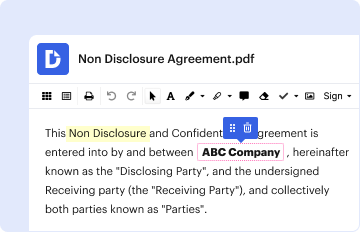
Type text, add images, blackout confidential details, add comments, highlights and more.
02. Sign it in a few clicks
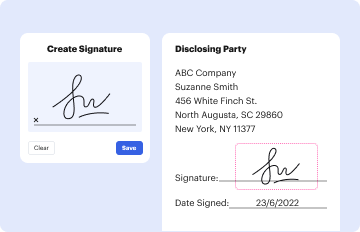
Draw your signature, type it, upload its image, or use your mobile device as a signature pad.
03. Share your form with others
Send it via email, link, or fax. You can also download it, export it or print it out.

How to use or fill out Automatic Thought with our platform

Form edit decoration
9.5
Ease of Setup
DocHub User Ratings on G2
9.0
Ease of Use
DocHub User Ratings on G2
  1. Click ‘Get Form’ to open the Automatic Thought document in the editor.
  2. Begin by filling out the 'Situation' section. Describe who you were with, what you were doing, when, and where this situation occurred.
  3. In the 'Automatic Thought' field, write down what went through your mind just before you felt a certain way. Consider any fears about what might happen next.
  4. Next, move to the 'Mood/Emotion' section. Describe each mood you felt at that time in one word and rate it on a scale from 0 to 100.
  5. For 'Evidence for the Thought', list any supporting evidence for your automatic thought. Then, in 'Evidence Against the Thought', think critically and provide evidence that contradicts it.
  6. In the 'Alternative Thought' section, jot down any alternative thoughts you have and rate how much you believe each one on a scale from 0 to 100.
  7. Finally, assess how much you now believe the automatic thought and describe your current emotions and planned actions moving forward.

Start using our platform today to easily fill out your Automatic Thought form for free!

See more Automatic Though versions

We've got more versions of the Automatic Though form. Select the right Automatic Though version from the list and start editing it straight away!
Versions Form popularity Fillable & printable
2017 4.2 Satisfied (30 Votes)
be ready to get more

Complete this form in 5 minutes or less

Get form

Got questions?

We have answers to the most popular questions from our customers. If you can't find an answer to your question, please contact us.
Contact us
9 Common Automatic Negative Thoughts Patterns To Watch Out For All-or-nothing ANTs. Its when you assume that something is completely good or bad. Focusing on the negative ANTs. Fortune-telling ANTs. Blaming ANTs. Less-than ANTs. Mind reading ANTs. Labeling ANTs. If-Only and Ill-Be-Happy-When ANTs.
Automatic thoughts are the thoughts and/or images that automatically pop into our heads. We dont choose for them to happen, they just do. For example, you may be purposefully working on your homework when the automatic thought pops up that you suddenly need to clean your room or text a friend or call your mom back.
Automatic thoughts tend to be based on emotions instead of facts. Although the feelings are valid, they are not always rooted in the truth.
Some common synonyms of automatic are impulsive, instinctive, mechanical, and spontaneous. While all these words mean acting or activated without deliberation, automatic implies action engaging neither the mind nor the emotions and connotes a predictable response.
Automatic thinking is the tendency to automatically and unconsciously process information, decide what to do, remember previous events, and make predictions. Deliberate thinking is focused on solving a problem in a way that leads to an optimal solution.

Security and compliance

At DocHub, your data security is our priority. We follow HIPAA, SOC2, GDPR, and other standards, so you can work on your documents with confidence.

Learn more
ccpa2
pci-dss
gdpr-compliance
hipaa
soc-compliance

People also ask

Automatic thinking is the unconscious, effortless, cognitive process that we use when we need a quick solution to a problem.
Automatic thoughts are something you may or may not be aware of when going about your daily life. These come up when your mind naturally takes in stimuli throughout your day and makes an attempt to interpret that information.
System 1 is fast, automatic, and intuitive, operating with little to no effort. This mode of thinking allows us to make quick decisions and judgments based on patterns and experiences. In contrast, System 2 is slow, deliberate, and conscious, requiring intentional effort.