
14c settle 2026

Get Form
14c settle Preview on Page 1

Here's how it works

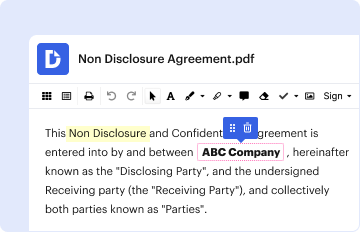
01. Edit your form online
Type text, add images, blackout confidential details, add comments, highlights and more.
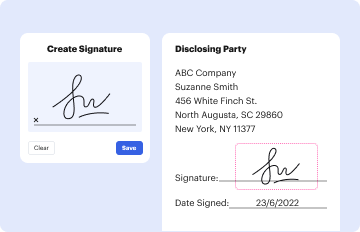
02. Sign it in a few clicks
Draw your signature, type it, upload its image, or use your mobile device as a signature pad.
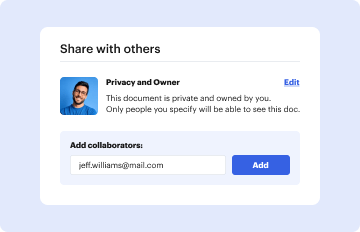
03. Share your form with others
Send it via email, link, or fax. You can also download it, export it or print it out.

How to use or fill out 14c settle with our platform

Form edit decoration
9.5
Ease of Setup
DocHub User Ratings on G2
9.0
Ease of Use
DocHub User Ratings on G2
  1. Click ‘Get Form’ to open the 14c settle document in the editor.
  2. Begin by entering your claim number in the designated field at the top of the form.
  3. Fill in your address and phone number accurately to ensure proper communication.
  4. Identify yourself as either the Plaintiff(s) or Defendant by selecting the appropriate option.
  5. In the section labeled 'My name is', enter your full name clearly.
  6. Specify if you are a representative of another party by filling in their name in the provided space.
  7. Indicate the party to whom you are withdrawing your offer to settle, including their name and date of the original offer.
  8. Finally, sign and date the form where indicated, ensuring that all information is complete before submission.

Start using our platform today for free to streamline your document editing and signing process!

See more 14c settle versions

We've got more versions of the 14c settle form. Select the right 14c settle version from the list and start editing it straight away!
Versions Form popularity Fillable & printable
2014 4.8 Satisfied (26 Votes)
be ready to get more

Complete this form in 5 minutes or less

Get form

Got questions?

We have answers to the most popular questions from our customers. If you can't find an answer to your question, please contact us.
Contact us
Employment of Workers with Disabilities: Section 14(c) of the Fair Labor Standards Act authorizes employers, after receiving a certificate from the Wage and Hour Division, to pay special minimum wages wages less than the Federal minimum wage to workers who have disabilities for the work being performed.
What: On December 4, 2024, the Department of Labor (DOL) proposed a rule that would eliminate a program that allows employers to pay workers with disabilities below the federal minimum wage under 14(c) of the Fair Labor Standards Act (FLSA). DOL is authorized under the FLSA to issue 14(c) certificates.
Section 14(c) of the FLSA authorizes employers, after receiving a certificate from the Wage and Hour Division, to pay subminimum wages - wages less than the Federal minimum wage - to workers who have disabilities for the work being performed.
Under the proposed rule, the DOL will no longer issue new section 14(c) certificates on or after the effective date of the final rule. Employees subject to the FLSA would then be entitled to the federal minimum wage ($7.25 per hour) despite any impact their disability may have on productivity.
Section 14(c) of the law allowed business owners to legally pay certain classified workers with disabilities less than the federal standard minimum wageknown as subminimum wage employment. You may submit comments, identified by Regulatory Information Number (RIN) 1235-AA14, electronically or by mail.

Security and compliance

At DocHub, your data security is our priority. We follow HIPAA, SOC2, GDPR, and other standards, so you can work on your documents with confidence.

Learn more
ccpa2
pci-dss
gdpr-compliance
hipaa
soc-compliance
be ready to get more

Complete this form in 5 minutes or less

Get form

People also ask

The rule proposes to gradually eliminate certificates employers can apply for under Section 14(c) of Fair Labor Standards Act that allow them to pay certain workers with disabilities subminimum wages.
Since its enactment in 1938 through today, section 14(c) of the FLSA has included a provision authorizing the Department of Labor (Department) to issue certificates permitting employers to pay workers with disabilities at wage rates below the Federal minimum wage.

Related links