




Here's how it works

01. Edit your how to delete healthcare gov account online
Type text, add images, blackout confidential details, add comments, highlights and more.

02. Sign it in a few clicks
Draw your signature, type it, upload its image, or use your mobile device as a signature pad.

03. Share your form with others
Send delete healthcare gov account via email, link, or fax. You can also download it, export it or print it out.
How to use or fill out healthcare gov appeal form texas with our platform

- Click ‘Get Form’ to open the healthcare gov appeal form in the editor.
- Begin by filling out the 'Appellant 1' section. Enter your first name, middle name, last name, date of birth, phone number, email address, and complete your address including city, state, and ZIP code.
- List any other household members who are filing an appeal in the designated area. If there are more than four appellants, attach a separate piece of paper with their names.
- In the 'Reasons for filing an appeal' section, clearly explain why you believe there was a mistake regarding eligibility. Include specific details about income or household size if applicable.
- If you have an authorized representative assisting you, fill out their information in the provided section. Ensure that they have permission to discuss your case.
- Finally, read and sign the authorization section at the end of the form. Make sure all adults in your household also provide their signatures where required.
Start using our platform today to easily fill out your healthcare gov appeal form for free!
Fill out healthcare gov appeal form texas online
It's free
It's free
See more healthcare gov appeal form texas versions
We've got more versions of the healthcare gov appeal form texas form. Select the right healthcare gov appeal form texas version from the list and start editing it straight away!
Got questions?
We have answers to the most popular questions from our customers. If you can't find an answer to your question, please contact us.
Contact us
What is the appeal process in Texas?
For state appeals in Texas, a notice must be filed within 30 days after a verdict was issued, although this deadline is extended to 90 days in cases where a defendant files a motion for a new trial.
How to appeal a health insurance denial?
There are 2 ways to appeal a health plan decision: Internal appeal: If your claim is denied or your health insurance coverage canceled, you have the right to an internal appeal. External review: You have the right to take your appeal to an independent third party for review.
What are the odds of winning an insurance appeal?
A DocHub percentage of insurance appeals are successful, with studies showing rates often ranging from 60% to over 80%, especially for health insurance claims and prior authorizations, even though very few people actually file an appeal. Insurers deny many claims initially, relying on patients giving up, but when patients persist with appeals, they often win, indicating many denials are process-related rather than medically necessary. Key Statistics: Health Insurance: Around 70% to nearly 80% of health insurance claim appeals are granted. Prior Authorizations: Over 80% of appealed prior authorization denials are overturned, according to KFF data. Overall: While less than 1% of denied claims are appealed, up to three-quarters of those appeals are successful. Why Appeals Succeed: Many initial denials stem from errors in the prior authorization process or administrative issues, not a lack of medical necessity. Appeals often lead to coverage because the insurers initial decision is reversed upon further review. What This Means for You: Dont give up after the first denial; the effort to appeal can pay off DocHubly. A high percentage of appeals result in favorable outcomes, meaning you may get the care or coverage you need. AI can make mistakes, so double-check responsesOver 80% of prior auth appeals succeed. Why arent there more?Oct 3, 2024 Over 80% of prior auth appeals succeed. Why arent there more? American Medical Association.American Medical AssociationInsurance Denial Statistics, Why 80% of Appeals Succeed (But Only 1 May 15, 2025 Insurance Denial Statistics, Why 80% of Appeals Succeed (But Only 1% Try) By Counterforce Health Team 15 May 2025.Counterforce Health
What is an appeal request?
An appeal is when someone who loses a case in a trial court asks a higher court (the appellate court) to review the trial courts decision. Appealing your case is very hard, so also talk to a lawyer to help you.
How to successfully appeal an health insurance denial?
Include supporting evidence, such as peer-reviewed journal articles or treatment guidelines from recognized organizations. Keep a copy of all information submitted to the insurance company. The most important thing to remember when appealing a denial is to not give up, especially if your health is on the line!
Security and compliance
At DocHub, your data security is our priority. We follow HIPAA, SOC2, GDPR, and other standards, so you can work on your documents with confidence.
Learn more


Related forms

Pennsylvania m
The document M-938 outlines the general conditions and regulations for permits related to the movement of oversized vehi ...
Ny dmv web access online
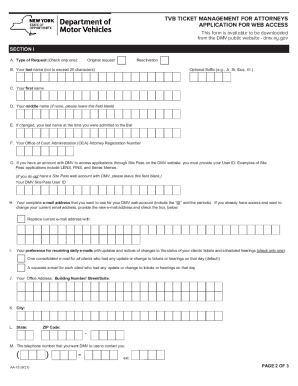
The document outlines the application process for attorneys in New York State to gain web access to the 'TVB Ticket Mana ...

Alabama mail in voter
The document is the State of Alabama Voter Registration Form, which allows U.S. citizens to register to vote or update t ...
Wisconsin condition report
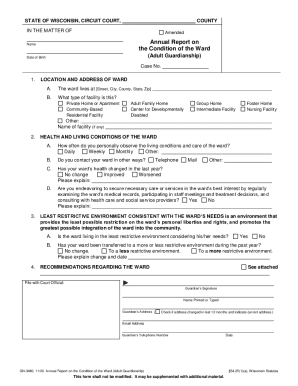
The document is an Amended Annual Report concerning the condition of a ward under adult guardianship in Wisconsin. It in ...

Dop identity theft
The document provides guidance on protecting personal information and preventing identity theft, emphasizing the importa ...

Staff record
The document is a confidential checklist for staff records at group child care centers in Wisconsin, intended to assist ...
Dhs wisconsin medicaidMedicaid in WisconsinWisconsin Department of Health Services
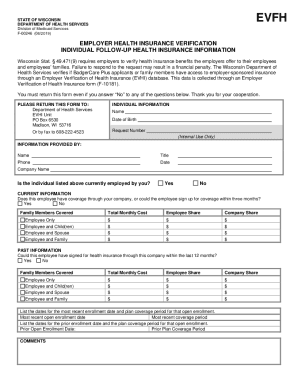
The document outlines the requirements for employers in Wisconsin to verify health insurance benefits offered to employe ...
Cdtfa ca login
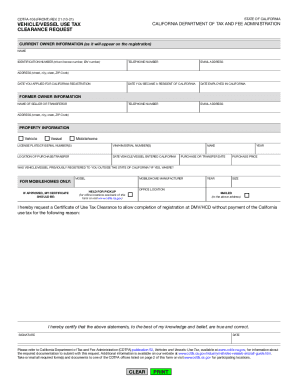
The document provides information on how to apply for a use tax clearance in California through the CDTFA's online servi ...
People also ask
How to win an appeal for Medicaid?
To win a Medicaid appeal, you need to build a strong, documented case by gathering all relevant records (medical, financial, communication), clearly stating your case for benefits, presenting strong witnesses (like doctors), and adhering strictly to deadlines, especially for aid continuing; prepare for an impartial hearing by understanding the facts, challenging state arguments, and potentially seeking legal help to navigate complex rules and present evidence effectively. Before the Hearing Understand the Denial: Get the exact reason for denial in writing, noting missing documents or coverage criteria issues. Gather Evidence: Collect all related documents: bank statements, medical records, doctors notes, letters, emails, and proof of submitted documents. Document Everything: Keep detailed records of all communications with the Medicaid agency, including names, dates, and times. Identify Witnesses: Find people (doctors, caregivers, aides) who can testify to your medical necessity and need for the service. Prepare Your Case: Write a summary of facts and relevant laws that support your claim, and prepare witnesses to speak about your needs and the impact of denial. Request Aid Continuing (If Applicable): If your services are being stopped, file your appeal quickly (often within 10 days of the notice) to keep benefits coming during the appeal, notes this ICANNYS page. During the Hearing Present Your Case: Clearly explain why youre eligible, using your documents and witness testimony. Bring Witnesses: Have your prepared witnesses testify by phone or in person. Question Opposing Witnesses: You have the right to cross-examine any witnesses the state brings. Be Prepared: Anticipate the states arguments and have evidence ready to counter them. Key Strategies for Success Act Quickly: Adhere to all deadlines; missing them can jeopardize your case or benefits. Be Thorough: Over-documenting is better than under-documenting. Get Help: Local legal aid or elder law attorneys can offer crucial guidance, notes this Justia article. Know Your Rights: Understand you can always submit new information or even a new application, though appeals can often preserve earlier start dates, according to Illinois Legal Aid and this YouTube video. For legal advice, consult a professional. What To Do When Medicaid Denies You Coverage - PASSiPenn Asian Senior ServicesAppealing a Medicaid decision | Illinois Legal Aid OnlineIf there are witnesses who can help your case, bring them to the hearing. You should also bring any paperwork that would help you.Illinois Legal Aid
Is it worth appealing an insurance denial?
Yes, appealing an insurance denial is often worth it, as many denials are reversed, sometimes up to 60% or more, especially if you persist with internal appeals and potentially an external review. Common reasons for denial include administrative errors or billing mix-ups, which are often fixable, and you have a legal right to challenge the decision for fair review, though it requires persistence and paperwork. Why you should appeal High success rates: Studies and reports show DocHub success rates, with some sources suggesting success in 60% of cases, while others show patients winning roughly 40-50% of the time on internal appeals and a portion on external reviews. Errors are common: Many denials stem from simple mistakes like incorrect billing codes, missing records, or data entry errors by the insurer, which are correctable. You have rights: You have the right to a full, fair review, and the Affordable Care Act requires insurers to provide a written denial with an explanation and deadlines, your roadmap for appealing. External review options: If internal appeals fail, you can request an external review by an independent third party, which can be binding on the insurer. Steps to take Review the denial letter: Understand the exact reason for denial (e.g., medical necessity, experimental treatment, out-of-network). Contact your doctor: Work with your provider to get supporting documentation, letters of medical necessity, or corrected billing information. Start internal appeals immediately: Dont delay; you usually have about 180 days to file the first appeal. Gather evidence: Collect all relevant medical records, bills, and policy language. Escalate if needed: If the internal appeal is denied, request an external review for an independent decision. Seek help: Patient advocacy groups can provide guidance through the complex process. For financial advice, consult a professional. Why appealing an insurance denial is so overwhelming - STAT NewsJan 23, 2025 This dynamic exacerbates the administrative burdens associated with challenging health insurers denials of coverage, STAT NewsInsurance Denial Statistics, Why 80% of Appeals Succeed (But Only 1 May 15, 2025 But heres the most alarming statistic of all: Less than 1% of denied claims are ever appealed, despite studies showinCounterforce Health
How do you write a powerful appeal letter?
To write an appeal letter, start formally by identifying yourself and the decision, then factually explain the situation, why you disagree using specific evidence, and propose a desired outcome, maintaining a polite, professional tone throughout and including any supporting documents. Structure it with a clear subject line, introduction, detailed body paragraphs, and a courteous closing, focusing on facts over emotion for the best chance of success, according to sources like DocHub and Indeed. Structure and Content Your Contact Info Date: Your name, address, phone, email, and the date. Recipient Info: Name, title, and address of the person or department receiving the appeal. Subject Line: Clear and concise (e.g., Appeal of [Decision/Case Number]). Salutation: Formal (e.g., Dear [Mr./Ms./Dr. Last Name]). Introduction (Paragraph 1): State youre appealing a specific decision, including dates or reference numbers. Explanation (Paragraph 2): Detail the situation factually; explain why the decision was incorrect or what was overlooked, using specific facts, not just feelings. Supporting Evidence (Paragraph 3): Mention any documents attached (e.g., grades, reports, medical records) that support your case. Proposed Solution (Paragraph 4): Clearly state the outcome you want (e.g., overturn the decision, reconsider the claim) and why its fair. Conclusion (Final Paragraph): Thank them for their time, state your desire for a response by a certain date if applicable, and include follow-up plans. Closing: Formal closing (e.g., Sincerely) and your signature/typed name. This video provides a step-by-step guide on how to write an appeal letter for college: 1mWriting PracticesYouTube May 23, 2023Key Tips for Effectiveness Be Factual Specific: Use dates, times, names, and verifiable data; avoid emotional language or manipulation. Be Polite Professional: Maintain a formal tone, show respect, and avoid threats or flattery. Be Clear Concise: Get straight to the point, using simple, correct language. Review Policies: Understand the specific rules for your appeal. Proofread: Check for spelling and grammar errors. AI can make mistakes, so double-check responsesWriting an Effective Appeal or Request Letter | Student Affairs and Campus Diversity | SDSUSan Diego State UniversityWRITING AN EFFECTIVE APPEAL LETTER*Do Not Try to Manipulate the Reader. Threatening, cajoling, begging, pleading, flattery and making extravagant promises are manipuUC Irvine


