






Definition and Overview of a Simple Occupancy Agreement
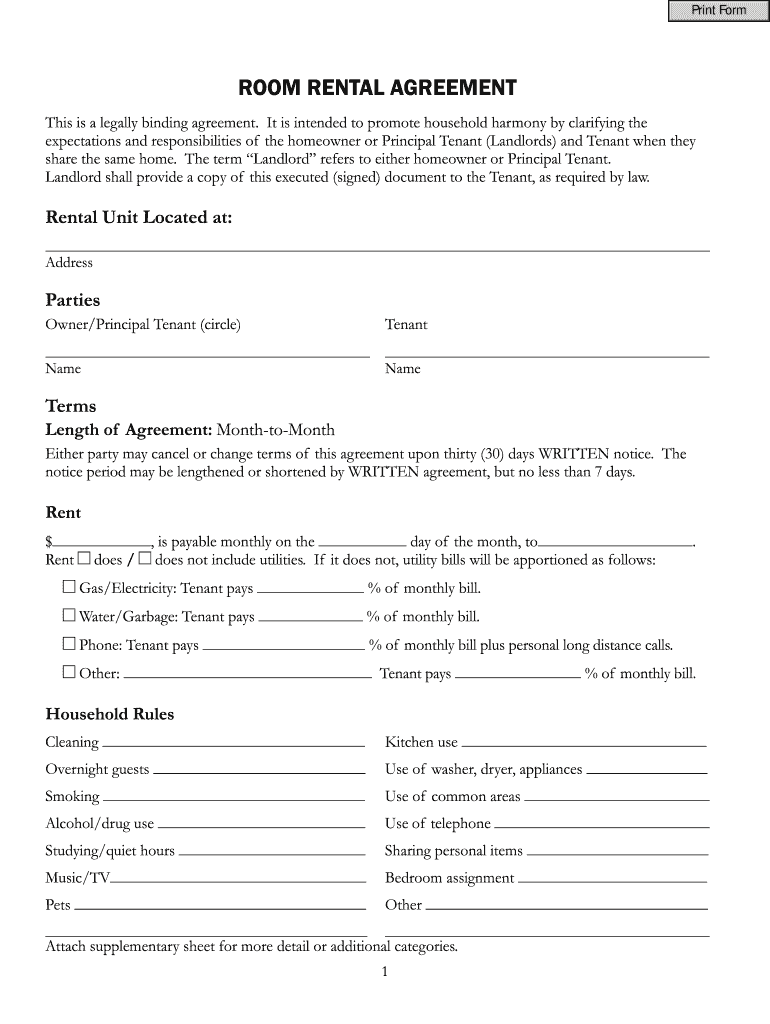
A simple occupancy agreement is a legal document outlining the terms under which an individual is permitted to occupy a property, typically for residential purposes. This agreement serves as a contract between the property owner (or landlord) and the individual occupying the space (the occupant or tenant). Unlike traditional lease agreements that tend to have more intricate terms, a simple occupancy agreement focuses on clear and straightforward conditions.
- Purpose: The primary purpose of a simple occupancy agreement is to establish rights and responsibilities for both parties involved. This ensures a mutual understanding, fostering a stable living environment.
- Inclusions: Key sections commonly included in such agreements are payment obligations, maintenance requirements, and the process for resolving disputes. These elements provide clarity and set expectations.
Understanding the basic definitions and features of a simple occupancy agreement is essential for both landlords and tenants, ensuring compliance with legal standards while promoting positive relationships.
Essential Components of a Simple Occupancy Agreement
The effectiveness of a simple occupancy agreement lies in its thoroughness. Below are the essential components that should be included:
- Names of Parties Involved: Clearly list the names and contact information of both the landlord and the occupant.
- Property Description: Provide detailed information about the property, including the address and any specific unit details.
- Duration of Occupancy: Specify whether the agreement is for a fixed term or on a month-to-month basis.
- Rental Payment Terms: Outline the rent amount, due date, acceptable payment methods, and any penalties for late payments.
- Security Deposit: Detail the amount of any required security deposit, conditions for its return, and potential deductions.
- Occupant Responsibilities: Describe maintenance duties, potential restrictions (e.g., pets or smoking), and obligations regarding property care.
- Termination Conditions: Include the process for ending the agreement, notice periods, and potential grounds for eviction.
Including these components ensures that the simple occupancy agreement is comprehensive, protecting both parties' rights and outlining specific expectations.
Legal Implications of a Simple Occupancy Agreement
Legal implications surrounding a simple occupancy agreement highlight its importance in establishing formal occupancy rights. Here are key considerations:
- Binding Contract: A signed occupancy agreement is a legally binding contract, meaning both parties are obligated to adhere to its terms, provided it complies with local laws.
- Local Regulations: It's crucial to understand state and local laws governing rental agreements, as these regulations can dictate specific clauses that must be included. For example, some states have specific requirements regarding security deposits or maintenance responsibilities.
- Dispute Resolution: The agreement should contain a clause describing the process for addressing disputes, which may involve mediation or legal action, ensuring both parties have a clear pathway in case of disagreements.
These legal aspects play a significant role in safeguarding both landlords and tenants, and adhering to them can prevent future conflicts.
Variations of a Simple Occupancy Agreement
There are several variations of occupancy agreements that cater to different situations. Awareness of these variations can help in selecting the appropriate type for your needs. Examples include:
- Right of Occupancy Agreement: This document grants occupants an exclusive right to occupy a property, often utilized in contexts where individuals may not be traditional tenants, such as family members or friends.
- Lifetime Right of Occupancy Agreement: This variation allows an occupant to stay indefinitely, usually under specific conditions, ideal for certain family arrangements or caregiving situations.
- Use and Occupancy Agreement: Primarily used in commercial contexts, this type involves agreements where one party is granted the right to use a space but does not have exclusive possession, often seen in co-working arrangements.
These variations accommodate different living and usage scenarios, ensuring flexibility in occupancy arrangements.
Common Use Cases for a Simple Occupancy Agreement
A simple occupancy agreement is versatile and suited for various living situations. Here are some common scenarios:
- Roommates: Individuals sharing a rental unit often use occupancy agreements to outline responsibilities, payment terms, and shared space rules, ensuring harmonious living.
- Family Members: Agreements between family members can manage occupancy terms when someone moves into a family home, such as children returning from college.
- Short-Term Rentals: For short-term stays, such as during travel or temporary work assignments, a simple occupancy agreement can clarify expectations for both parties.
Understanding these use cases helps illustrate the practicality and necessity of simple occupancy agreements across different living arrangements.
Typical Length and Terms of Simple Occupancy Agreements
The terms of a simple occupancy agreement should balance specificity with flexibility. Typically, these agreements are structured to be concise yet comprehensive.
- Term Duration: While many occupancy agreements are for one year, month-to-month options are prevalent, allowing flexibility for both parties.
- Review Cycle: Regularly reviewing the terms (such as annually) ensures that the agreement remains relevant and up-to-date with any changing circumstances.
- Renewal or Termination: The agreement should specify how it may be renewed or terminated, including notice periods for both parties to prepare for any changes. For instance, a requirement for thirty days' notice prior to either party terminating the agreement is common practice.
Balancing clarity regarding length and terms can help prevent confusion and promote a positive relationship between landlords and occupants.
Importance of Clear Communication in Simple Occupancy Agreements
Effective communication is essential in any occupancy scenario. A simple occupancy agreement provides a framework for transparent interactions and addresses expectations.
- Regular Check-Ins: Encourage periodic discussions between landlords and occupants to address any concerns, ensuring a proactive approach to potential issues.
- Amendments: If circumstances change, such as modifications to the agreement or property conditions, both parties should clearly outline any changes in writing, maintaining records of all amendments.
- Conflict Resolution: Having a specified process for conflict resolution, such as informal discussions or formal mediation, can help mitigate disputes amicably.
By emphasizing open communication, a simple occupancy agreement can serve as a foundation for a healthy landlord-tenant relationship, enhancing trust and cooperation.