
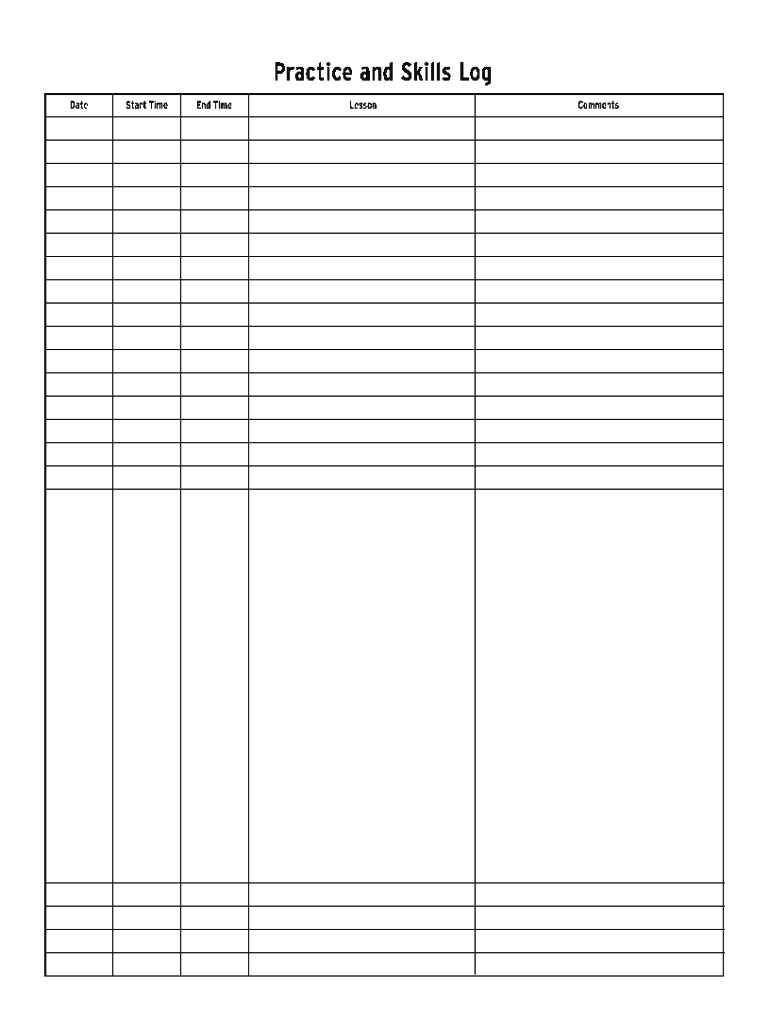







Understanding the MVA Driving Log
The MVA driving log is a crucial document for new drivers in Maryland, especially for those holding a learner's permit or provisional license. It is designed to help track the required hours of supervised driving practice necessary for passing the road test and obtaining a full driver's license. Here, we will explore the essential features, requirements, and practical usage of the MVA driving log.
Importance of the MVA Driving Log
The MVA driving log plays a vital role in ensuring that learner drivers accumulate sufficient practice before hitting the road independently. The Maryland Motor Vehicle Administration mandates that new drivers complete at least 60 hours of supervised driving experience, of which ten hours must be at night. This requirement is established to foster safe driving habits and prepare drivers for real-world conditions.
- Accountability: The log helps in managing and documenting the driving practice sessions.
- Compliance: Keeping an accurate log ensures adherence to the state’s requirements, which is essential for progressing from a learner's permit to a full license.
- Skill Development: It promotes structured practice, allowing new drivers to develop their skills under the guidance of experienced supervisors.
How to Use the MVA Driving Log
Completing the MVA driving log is straightforward. It involves filling in specific details about each driving practice session:
- Collect Necessary Information: Ensure you have the details of each practice session, including date, duration, and type of driving experience (daytime or nighttime).
- Daily Entry: After each practice, enter the total hours driven and the driving conditions. Be meticulous in documenting every session to avoid discrepancies.
- Supervisor Signature: Each entry must be verified with the signature of the supervising driver, affirming that the logged hours are accurate.
- Submit for Review: Upon completion of the required hours, present the driving log to the MVA during your road test appointment.
Key Elements of the MVA Driving Log
The MVA driving log is designed to include several key components that ensure comprehensive tracking of driving hours:
- Date of Practice: Record the exact date of each driving session.
- Hours Driven: Indicate the total hours spent driving during that session.
- Type of Driving Conditions: Specify whether the driving occurred during the day or night and include any varied driving conditions, such as rain or heavy traffic.
- Supervisor Details: Enter the name and relationship of the supervising driver, thereby establishing accountability and oversight.
- Night Driving Hours: Clearly separate and document the hours dedicated to nighttime driving, as this is a specific requirement by the state.
Legal and Safety Considerations
Using the MVA driving log helps ensure compliance with Maryland's driving laws and regulations. It functions as proof of practice hours, which is essential for obtaining the provisional license. The log also aids in establishing a habit of thorough record-keeping:
- Adherence to Regulations: Keeping accurate records enables new drivers to fulfill the prerequisites required for upgrading their license status.
- Safe Driving Practices: Documenting different driving scenarios encourages practice in various conditions, enhancing overall driving competence.
Variants of the MVA Driving Log
While the official MVA driving log is standard, there may be variations for appointments or specific scenarios:
- Printable Versions: The MVA offers printable versions of the log online, ensuring easy accessibility.
- Digital Logs: Some drivers opt to maintain digital logs, although it is crucial they comply with the MVA's requirements for documentation.
Common Mistakes and Tips
When utilizing the MVA driving log, learners and their supervisors should be aware of common pitfalls:
- Incomplete Entries: Ensure that each driving session is fully listed without gaps. Missing information could lead to complications during the licensing process.
- Errors in Time Logging: Double-check the logged hours to avoid breaching the required quota. This can delay the transition to a full license.
- Neglecting Night Practice: Don't overlook the mandatory ten hours of nighttime driving; planning night drives can help in achieving this requirement efficiently.
By accurately maintaining the MVA driving log, new drivers can track their progress effectively while ensuring they meet all essential requirements for obtaining a full Maryland driver’s license.




