



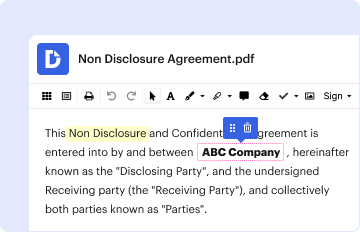
01. Edit your health inventory form online
Type text, add images, blackout confidential details, add comments, highlights and more.

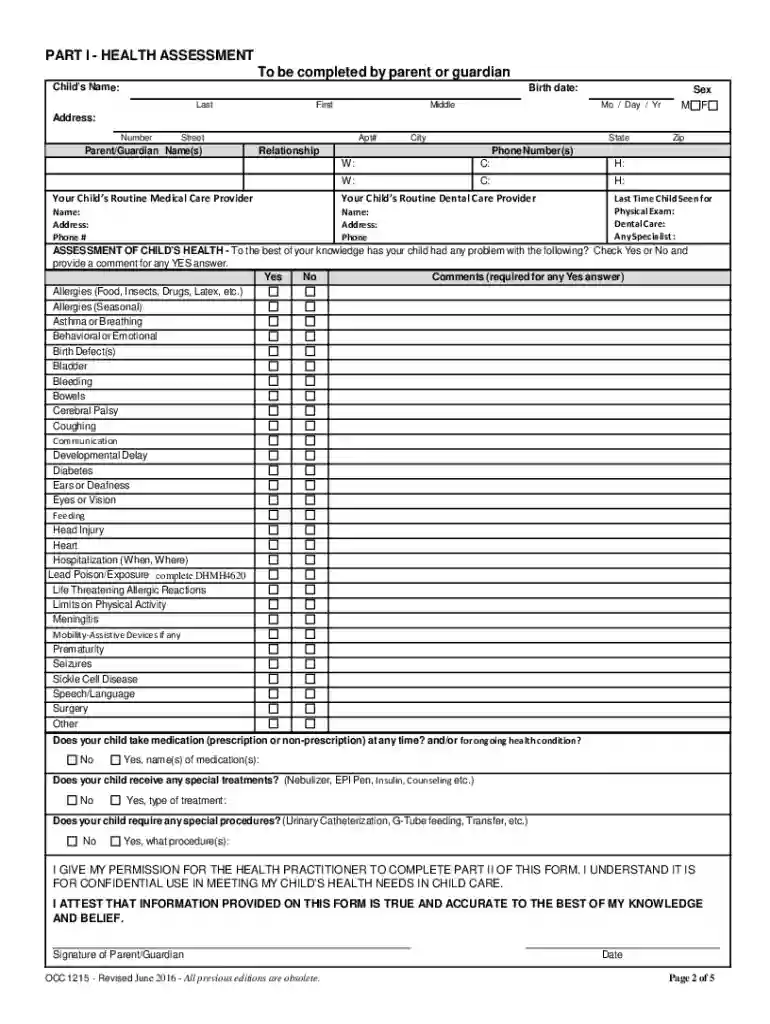
Type text, add images, blackout confidential details, add comments, highlights and more.
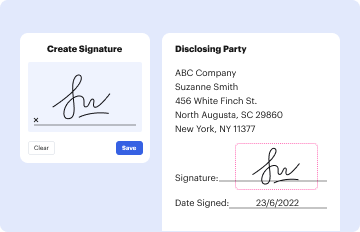
Draw your signature, type it, upload its image, or use your mobile device as a signature pad.

Send child health assessment form via email, link, or fax. You can also download it, export it or print it out.
The health inventory child refers to a comprehensive document that encapsulates the critical health information of a child. This inventory is vital for institutions and systems that require an understanding of a child’s health status to ensure safety and adequate health care during their time in schools or child care settings. The document typically includes essential details such as medical history, vaccination records, recent physical examinations, and any ongoing health concerns.
This inventory is especially relevant in the United States, where regulations mandate that child care providers and schools maintain specific health data to comply with state health department guidelines. The intention is to safeguard children's well-being by ensuring that care providers are aware of any medical conditions, allergies, or special needs a child may have.
The health inventory child encompasses several critical elements that are essential for maintaining a comprehensive understanding of a child's health. These elements typically include:
Personal Information: This includes the child's name, date of birth, and contact details of parents or guardians. Such information ensures immediate contact in emergencies.
Medical History: A detailed medical history can help identify chronic conditions, previous illnesses, and surgeries. This is fundamental in providing tailored care.
Immunization Records: Maintaining up-to-date vaccination documentation shows compliance with state health laws and safeguards against preventable diseases.
Physical Examination Results: A recent physical exam report should be included to assess any current health issues or needs. This information may be obtained from a healthcare provider.
Allergies and Medications: Documenting known allergies and any ongoing medications is crucial to prevent adverse reactions and ensure appropriate medical intervention.
Emergency Contacts: Identifying family members or guardians as emergency contacts can facilitate rapid communication and decision-making in health-related crises.
While these components create a foundational aspect of the health inventory child, they can also vary according to specific state requirements, such as those outlined in the Maryland health inventory form.
Completing the health inventory child can be a straightforward process if approached systematically. Below is a detailed step-by-step guide to filling out the form:
Gather Required Documents: Start by assembling necessary documents, such as previous health records, immunization information, and any notes from recent doctor visits.
Enter Personal Information: Clearly input the child's full name, date of birth, and contact information for guardians. Ensure all data is up-to-date to facilitate communication.
Document Medical History: Fill in the child's medical history thoroughly. Include past illnesses, surgeries, and relevant family health history. Be honest and complete to ensure accurate health management.
Update Immunization Records: Check that all vaccinations are current and enter the details of each vaccine administered, including dates. If unsure, consult with the child's physician.
Physical Examination Details: If a physical exam was conducted recently, summarize the findings. This might involve providing information on height, weight, and results of any screenings.
List Allergies and Medications: Clearly indicate any allergies the child has, including food, medications, or environmental allergies. Also, provide details of any medications the child currently takes.
Include Emergency Contacts: Finally, list individuals who can be contacted in emergencies. This should ideally include parents, guardians, and trusted family members.
Review for Completeness: Before submitting, review the completed form to ensure all sections are filled out correctly and comprehensively.
Submit the Health Inventory: Depending on the requirements of the school or childcare provider, submit the completed form either online, by mail, or in person.
By following these steps, parents and guardians can ensure that the health inventory child is accurate and thorough, providing essential information to caregivers.
The health inventory child serves a range of stakeholders involved in child care and education. Typical users include:
Parents and Guardians: Primarily responsible for completing the form, parents provide critical health information that supports their child's attendance in school or childcare.
Child Care Providers: Daycare centers, nurseries, and preschools utilize the health inventory to ensure they understand each child’s health needs, which helps them provide safe care.
School Administrators: Schools require this information to comply with state mandates regarding student health records. Administrators use these records for planning health-related activities and managing health emergencies.
Healthcare Providers: Pediatricians and family doctors may also use the health inventory to understand the child's health status more holistically, especially during visits for vaccinations or check-ups.
Counselors and Social Workers: In some cases, professionals working with children in educational settings may refer to health inventories to make informed decisions regarding the support and resources needed for a child's well-being.


Understanding key terminology related to the health inventory child is crucial for parents and guardians as they navigate the requirements. Essential terms include:
Health Assessment: Refers to a systematic process to evaluate a child's health, including measurements and health background. This is often part of the health inventory.
Immunizations: Vaccinations that protect children from various diseases. Keeping these records current is essential for child enrollment in schools.
Physical Examination: A thorough check-up conducted by a healthcare professional to assess a child's overall health, required to complete the inventory.
Allergies: Physical reactions to certain substances, which must be documented to ensure safety in school settings.
Emergency Contact: Individuals identified as points of contact in case of a health emergency involving the child, crucial for immediate response.
This glossary of terms helps clarify the importance and content requirements of the health inventory child, providing better insight into its utilization and significance.
We've got more versions of the health inventory form form. Select the right health inventory form version from the list and start editing it straight away!
At DocHub, your data security is our priority. We follow HIPAA, SOC2, GDPR, and other standards, so you can work on your documents with confidence.
Potions of Renegeration allow the player to quickly regenerate health. Splash and lingering potions of Regeneration work on most mobs and heal those mobs justRead more
by JK Austin 1991 Cited by 87 This report describes the development of the Coping Health Inventory for Children (CHIC), an instrument designed to provide a systematic assessment of
1. Believing that my child(ren) will get better. 2. Investing myself in my children. 3. Doing things with my childrenRead more


