



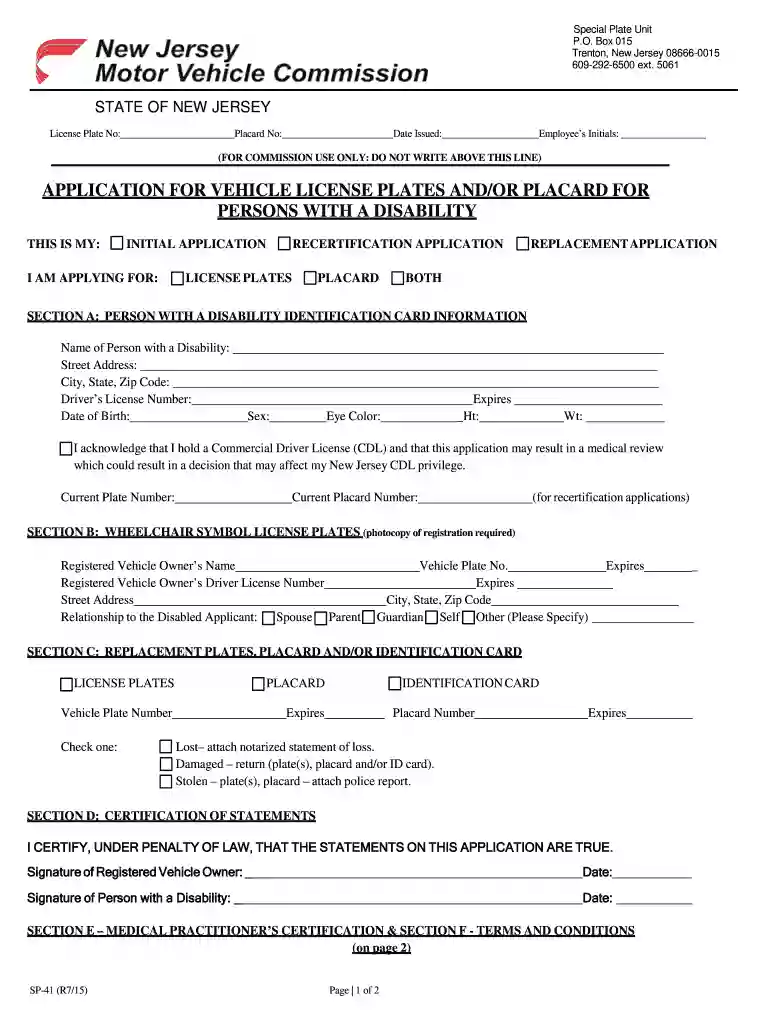
01. Edit your nj mvc form sp 41 r7 19 online
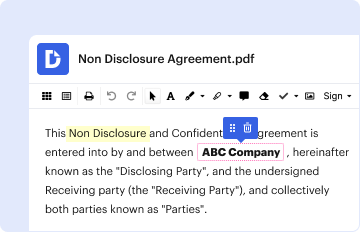
Type text, add images, blackout confidential details, add comments, highlights and more.

Type text, add images, blackout confidential details, add comments, highlights and more.
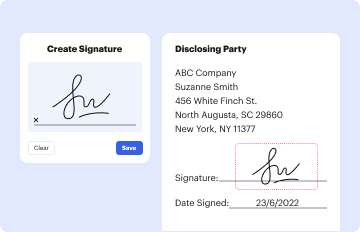
Draw your signature, type it, upload its image, or use your mobile device as a signature pad.

Send sp 41 form via email, link, or fax. You can also download it, export it or print it out.
The New Jersey handicap parking permit is designed to provide accessible parking options for individuals with disabilities, allowing them to park in designated spaces for easier access to essential locations. It allows those who qualify to utilize reserved parking that is typically closer to buildings and amenities, helping to alleviate difficulties faced in mobility.
To be eligible for the NJ handicap parking permit, applicants must demonstrate that they have a qualifying disability. The New Jersey Motor Vehicle Commission (MVC) requires specific medical certification to establish this. Eligible conditions may include:
The medical certification must be completed by a licensed physician, physician's assistant, or advanced practice nurse. The NJ MVC Form SP-41 (also known as the SP-41 R7/19 form) serves as the application form for this process.
Applying for the NJ handicap parking permit involves several steps:
Obtain Form SP-41: Access the NJ MVC Form SP-41, which can be found online or at local MVC offices.
Complete the Applicant Section: Fill out personal details, including name, address, and contact information.
Medical Certification: Have your physician certify your disability on the form. This signature is essential and must indicate the nature of your disability.
Submit the Form: Return the completed form to the MVC, either in person or via mail.
Receive Your Permit: Once approved, the MVC will issue the handicap parking placard or license plate.
Typically, the approval process can take between two to four weeks.
In New Jersey, applicants can receive:
Usage Restrictions: Permit holders must display their placard or plates while parked in designated handicap spaces. Misuse may result in fines and penalties.
Permit Renewal: The temporary placard may require renewal. Permanent placards generally do not expire unless there are changes in the holder's condition.
New Jersey residents may wonder if they can obtain a handicap placard online. As of now, the initial application must be submitted via mail or in person at a local MVC office. However, for renewals of existing permits, some online methods may be available.
Familiarity with local regulations is essential. Specific rules may include:
Understanding the nuanced requirements and processes surrounding the NJ handicap parking permit is crucial for eligible individuals seeking mobility convenience. The SP-41 form serves as the foundation for ensuring compliance and accessibility in parking, supporting individuals in their daily activities and community engagement.
Can I get a handicap placard in NJ if my condition is temporary? Yes, you can apply for a temporary handicap placard that lasts for up to six months.
What should I do if my permit is lost or stolen? Report the loss immediately to the MVC, and apply for a replacement permit, which may involve completing a specific form.
Can a caregiver use my handicap placard? Yes, caregivers can use the permit when transporting the permit holder, but it must be displayed clearly in the vehicle.
We've got more versions of the nj mvc form sp 41 r7 19 form. Select the right nj mvc form sp 41 r7 19 version from the list and start editing it straight away!
At DocHub, your data security is our priority. We follow HIPAA, SOC2, GDPR, and other standards, so you can work on your documents with confidence.
The persons with a Disability placard and/or license plates are to be used exclusively for a person with a disability named on the identification card. TheRead more
Oct 1, 2017 DHTS is responsible for establishing goals to reduce motor vehicle crashes using performance measures based on assessments of the roadwayRead more
Each reserved space shall be 12 feet wide to allow room for a person in a wheelchair or on braces or crutches to get in and out of either side of an automobile.Read more


