






Overview of DMAS Forms and Their Importance
DMAS forms are essential documents used in Virginia for various health-related services, particularly in the healthcare management and Medicaid sectors. These forms facilitate the process of assessing, documenting, and approving services for individuals needing assistance or care. Understanding DMAS forms, such as the DMAS 97, DMAS 98R, and DMAS 99, is crucial for providers, consumers, and caregivers in navigating the healthcare system effectively.
Key Types of DMAS Forms
Different DMAS forms serve various purposes, each with specific details required for compliance and processing.
-
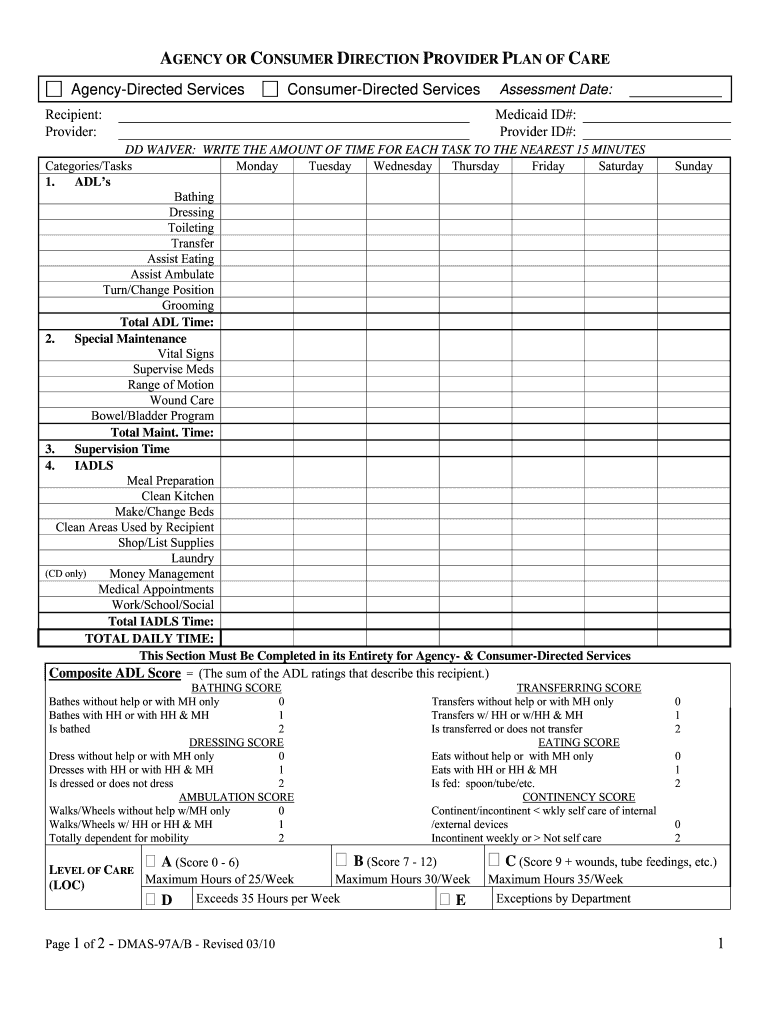
DMAS 97 Form: Used for specifying a recipient's level of care, this form assesses the need for assistance with Activities of Daily Living (ADLs) and Instrumental Activities of Daily Living (IADLs). It includes sections for identifying needs, documenting assessments, and recommending appropriate services.
-
DMAS 98R Form: This form is designed for service authorization and is crucial for documenting changes in a recipient's service needs. It allows providers to adjust or update services to reflect the recipient’s current condition accurately.
-
DMAS 99 Form: This form is for service reporting, providing a standardized method for service providers to report on care delivered. Accurate reporting is essential for compliance and funding purposes.
Steps for Completing DMAS Forms
Completing DMAS forms requires precision and adherence to specific guidelines. Here are steps to ensure accurate completion:
-
Gather Necessary Information: Collect all relevant data about the individual, including personal identification information, medical history, and service requirements.
-
Assess Need and Complete the Form: Clearly document the needs of the recipient on the DMAS 97 form, ensuring all sections are filled out with accurate information.
-
Review for Compliance: Verify that the completed form meets all necessary guidelines set by DMAS and includes required signatures where applicable.
-
Submit the Form: Follow the appropriate submission methods, which may include online uploads, mailing, or in-person delivery to the relevant DMAS office.
-
Track the Status: Keep a record of the submission and follow up as needed to ensure that the form has been processed and services authorized.
Understanding Eligibility Criteria for DMAS Forms
Eligibility criteria for DMAS forms vary depending on the type of service being requested. Generally, potential applicants must:
- Be a Virginia resident
- Meet the income and asset guidelines specified by DMAS
- Provide documentation of medical needs and any required assessments from qualified professionals


Common Mistakes to Avoid When Filling Out DMAS Forms
When completing DMAS forms, it is essential to avoid common pitfalls that can delay processing:
-
Incomplete Information: Ensure all required fields are completed. Missing information can lead to delays or denials of services.
-
Inaccurate Data: Double-check personal and medical information for accuracy to prevent discrepancies.
-
Failure to Update: If there is a change in the recipient's condition or service needs, update the relevant DMAS forms promptly.
Important Deadlines and Submission Methods
Each DMAS form may have specific deadlines for submission, especially when tied to service authorizations or renewals. Understanding these timelines ensures continued access to necessary services.
- Online Submission: Some forms may be submitted electronically through the DMAS portal.
- Mail Submission: Paper forms can often be mailed to designated DMAS offices.
- In-Person Submission: Certain cases may warrant direct submission to local agencies.
By adhering to these guidelines and understanding the specific DMAS forms relevant to their needs, providers and recipients can navigate the healthcare landscape effectively, ensuring that essential services are accessed in a timely manner.