




Here's how it works
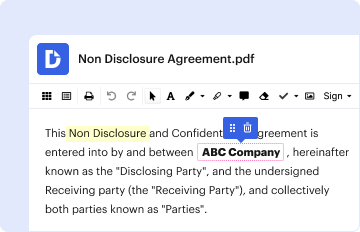
01. Edit your therapist form online
Type text, add images, blackout confidential details, add comments, highlights and more.
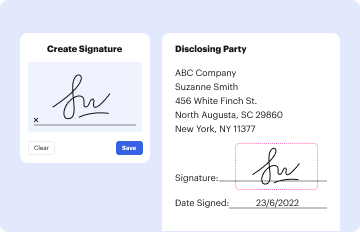
02. Sign it in a few clicks
Draw your signature, type it, upload its image, or use your mobile device as a signature pad.

03. Share your form with others
Send consent form massage via email, link, or fax. You can also download it, export it or print it out.
How to use or fill out Consent form for Craniosacral Therapy treatment with our platform

- Click ‘Get Form’ to open the Consent form for Craniosacral Therapy treatment in the editor.
- Begin by entering your printed name in the designated field at the bottom of the form. This ensures that your identity is clearly associated with your consent.
- Next, provide your signature in the appropriate section. This confirms that you agree to the procedures outlined in the consent form.
- Fill in the date of signing next to your signature. This is important for record-keeping and verifying when consent was given.
- If applicable, have a witness sign and print their name and date as well. This adds an extra layer of validation to your consent.
Start using our platform today to easily complete your Consent form for Craniosacral Therapy treatment online, for free!
Fill out Consent form for Craniosacral Therapy treatment online
It's free
It's free
See more Consent form for Craniosacral Therapy treatment versions
We've got more versions of the Consent form for Craniosacral Therapy treatment form. Select the right Consent form for Craniosacral Therapy treatment version from the list and start editing it straight away!
| Versions | Form popularity | Fillable & printable |
|---|---|---|
| 2019 | 4.9 Satisfied (46 Votes) |
Got questions?
We have answers to the most popular questions from our customers. If you can't find an answer to your question, please contact us.
Contact us
What is an informed consent form for counseling?
Informed consent is more than merely a signature on a document; it is a communication process between the clinician and the patient. This process ensures that the patient is fully informed about the nature of the procedure or intervention, the potential risks and benefits, and the alternative treatments available.
What certifications are needed for craniosacral therapy?
Complete a 700-hour BCST certification training with an approved BCTA/NA Teacher. This the requirement to become a Registered Craniosacral Therapist with BCTA/NA. See the full RCST Training Requirements. Courses that support the understanding and basics of embodiment in a biodynamic approach.
How to write an informed consent form for therapy?
At a minimum, a well-designed informed consent form will address the following information: Risks and benefits of treatment. Fees and payment policies. Confidentiality and its limits. Contact information and communication. Social media policy and general boundaries. Emergency procedures.
What is a good example of informed consent?
I understand that my participation is voluntary and that I am free to withdraw at any time, without giving a reason and without cost. I understand that I will be given a copy of this consent form. I voluntarily agree to take part in this study.
How do I write an informed consent form?
Instructions for Developing an Informed Consent Document General Information. Describe the purpose(s) of this research study in lay terms. Purpose of the Study. Procedures. Risks. Benefits. Compensation, Costs and Reimbursement. Withdrawal or Termination from Study. Confidentiality.
Security and compliance
At DocHub, your data security is our priority. We follow HIPAA, SOC2, GDPR, and other standards, so you can work on your documents with confidence.
Learn more


People also ask
What does craniosacral therapy fall under?
Craniosacral therapy (CST) or cranial osteopathy is a form of alternative medicine that uses gentle touch to feel non-existent rhythmic movements of the skulls bones and supposedly adjust the immovable joints of the skull to achieve a therapeutic result.
Who can give craniosacral therapy?
Who performs craniosacral therapy? A chiropractor. A doctor of osteopathic medicine (DO). A physical or occupational therapist. A licensed massage therapist.