Definition and Purpose of a Pre-Anesthetic Check-Up Format
The pre-anesthetic check-up format is a systematic document designed to gather vital medical information from patients prior to undergoing anesthesia. This form is crucial in ensuring both the safety of the patient and the efficacy of the anesthesia during surgical procedures. It typically encompasses an array of patient-specific details that inform the anesthesiologist about potential risks and necessary precautions.
The purpose of this assessment includes the following:
- Risk Assessment: Determines the individual’s risk factors based on medical history.
- Information Collection: Compiles pertinent data regarding allergies, current medications, and existing health conditions.
- Informed Consent: Ensures the patient is fully aware of the anesthesia processes and potential side effects.
This document directly influences the type of anesthesia administered and aids in customizing the anesthetic plan to ensure optimal care.
Components of a Pre-Anesthetic Check-Up Form
A well-structured pre-anesthetic check-up form includes various sections, each catering to essential aspects of the patient's medical background. Below are the critical components:
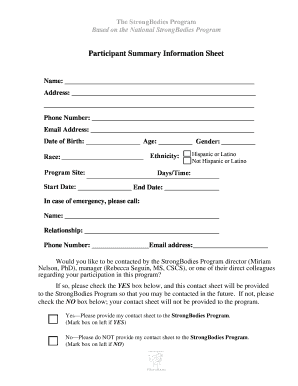
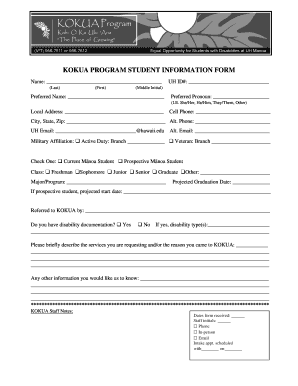
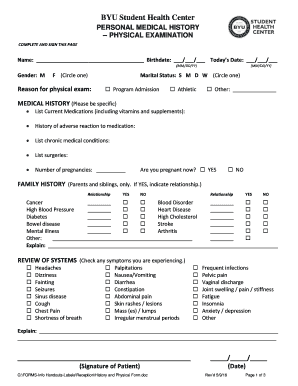
- Personal Details: This section collects the patient's name, date of birth, and contact information.
- Medical History: Items such as past surgeries, chronic illnesses, cardiovascular and respiratory conditions are documented.
- Medication and Allergies: A comprehensive list of current medications, along with any known allergies, is included to prevent adverse reactions.
- Family History: Family history that includes anesthetic complications or specific genetic disorders may also be documented for further assessment.
- Signature Section: Finally, the form includes areas for both the patient and physician signatures to confirm that the assessment has been conducted.
Including these components not only enhances safety but also ensures thorough information flow between the patient and healthcare provider.
Importance of Accurate Medical History
Collecting a complete and accurate medical history is one of the most vital aspects of the pre-anesthetic check-up format. It informs the anesthesiologist about potential complications and guides the anesthetic management plan. Key areas of focus include:
- Cardiovascular Health: Conditions such as hypertension, arrhythmias, or heart disease must be disclosed, as they can greatly influence anesthetic choice and dosage.
- Respiratory Status: Pre-existing conditions like asthma or chronic obstructive pulmonary disease require special attention, as they affect airway management and respiratory support.
- Allergic Reactions: Detail on previous reactions to anesthetics, medications, or latex is critical to prevent possible anaphylaxis during surgery.
- Current Medications: Patients should provide a full list of medications, including over-the-counter drugs and supplements, as interactions with anesthetic agents could pose risks.
Accurate responses in these areas help healthcare providers formulate a tailored anesthetic strategy that considers each patient’s unique health profile.
Completing the Anesthesia Evaluation Form
Patients should be guided on how to thoroughly complete the pre-anesthetic assessment form. Here is a structured approach to ensure accuracy and completeness:
- Fill in Personal Details: Begin with full legal name, date of birth, and contact methods.
- Review Medical History: Honestly assess and include all past medical issues, surgeries, and treatments.
- List Medications: Provide the names, dosages, and frequency of any medications taken.
- Note Allergies: Clearly articulate any allergies, particularly to anesthesia or pharmaceuticals.
- Engagement with Physician: Discuss any uncertainties with the physician to confirm all sections are completed accurately.
Completing each section meticulously reduces risks associated with anesthesia and promotes effective communication with the healthcare team.
Variations of Pre-Anesthetic Assessment Forms
While the form shares a common purpose across various healthcare settings, there are several variations that may exist based on specific institutional requirements or procedural guidelines. Some common variants include:
- Preoperative Anesthesia Checklist: Often includes specific items for surgical procedures, in addition to standard medical history.
- Anesthesia Evaluation Form: This may expand on the assessment by including deeper psychological evaluations, especially in complex cases.
- Electronic Formats: Many facilities now utilize digital versions of these forms which enhance accessibility and streamline the completion and submission process.
Recognizing these variations ensures that patients complete the correct form relevant to their healthcare environment, promoting higher efficiency in preparation for surgery.
Legal and Compliance Considerations
The completion and handling of the pre-anesthetic check-up format must adhere to legal and regulatory standards. Key compliance requirements include:
- Confidentiality: All patient information must be protected in compliance with HIPAA regulations.
- Informed Consent: Patients are required to understand the implications of anesthesia and must provide consent before proceeding.
- Record-Keeping: Institutions should maintain records of completed pre-anesthetic forms for audit purposes and compliance with state regulations.
Awareness of these legal parameters not only protects patient rights but also ensures that healthcare providers operate within the framework of the law.