What claims can the VA not prove?
Some of the most common hurdles in the VA claims process include: Lack of medical evidence: The absence of a diagnosis or insufficient documentation linking the condition to service can lead to denial. Missing service records: Lost or incomplete service records can weaken a claim.
What is the hardest VA claim to get?
The hardest VA claims to get often involve subjective conditions or proving a strong link (nexus) to service, with PTSD (especially from Military Sexual Trauma - MST), sleep apnea, chronic pain, tinnitus/hearing loss, and claims for aggravation of pre-existing conditions (like flat feet) being notoriously difficult due to lack of objective proof, poor in-service documentation, or proving the worsening went beyond natural progression. Exposure-related illnesses and secondary conditions also present DocHub challenges. Why These Claims Are Hard: PTSD/MST: Requires a verified stressor (hard for MST) and subjective symptoms, often lacking in-service records. Sleep Apnea: Needs a sleep study and proving service connection if not diagnosed in service, often linked to obesity or other issues. Tinnitus Hearing Loss: Common but require specific, calibrated audiograms and functional impact documentation, with tinnitus having a low maximum rating. Chronic Pain/Invisible Injuries: Difficult to objectively measure and often require detailed functional limitation descriptions. Aggravation of Pre-existing Conditions: Requires showing service worsened it beyond normal progression, needing strong before/after evidence and expert opinions. Toxic Exposures (Non-Presumptive): Proving exposure, latency, and nexus without robust scientific evidence is tough. Key Challenges Across Difficult Claims: Lack of In-Service Records: Missing documentation of events or symptoms at the time. Subjective Symptoms: Conditions like pain or mental health struggles are hard to objectively measure. Nexus (Link) Requirement: Proving the military event directly caused or aggravated the condition. How to Improve Your Chances: Gather Extensive Evidence: Buddy statements, personal journals, private medical records, and detailed timelines. Get Expert Opinions: Nexus letters from specialists are crucial. Document Functional Impact: Show how the condition affects your daily life and work. Build a Consistent Record: Show a clear story over time. AI can make mistakes, so double-check responsesWhat is the Hardest VA Claim to Get?Coskrey LawTop 10 Hardest VA Claims to Get Approved!Jan 27, 2026 doesnt meet the VAs cut offs above 0% you may only receive 0% service connected rating. and as long as the evidence YouTube VA Claims Insider
What do I say to get 70% PTSD compensation?
To get a 70% PTSD rating, you need to show the VA severe occupational and social impairment with symptoms like near-continuous panic/depression, suicidal thoughts, inability to maintain jobs/relationships, illogical speech, impaired impulse control, obsessive rituals, and neglect of hygiene, providing specific examples of how these symptoms disrupt daily life in your medical records, personal statements (VA Form 21-4138), and CP exams. Honesty, detail, and strong evidence linking symptoms to service are key. What to Say Document (Examples) Impact on Function: I cant hold a job because I have irrational anger outbursts and cant handle stress; I get fired or quit, or I struggle to maintain friendships because my speech becomes illogical or I push people away. Intense Symptoms: Describe near-continuous panic attacks, suicidal thoughts, or overwhelming depression that stops you from functioning. Specific Behaviors: I have to check my locks 20 times before leaving the house (obsessive ritual), I neglect my appearance/hygiene because I cant make myself do it, or I cant control my impulses, leading to violent outbursts. Speech: Mention if your speech is intermittently illogical, obscure, or irrelevant. How to Provide Evidence Medical Records: Document all treatments, hospitalizations, therapist notes, and diagnoses. Personal Statement (VA Form 21-4138): Write a detailed account of your symptoms and their impact on your work, school, and relationships. Lay Statements: Get statements from family, friends, or fellow service members who witnessed your struggles. CP Exam: Be completely honest and dont downplay symptoms; describe frequency, severity, and effects on your life. Nexus Letter: A letter from a medical professional linking your PTSD to your military service can be crucial. Key Criteria for 70% Deficiencies in most areas (work, school, family, judgment, mood). Symptoms are frequent, severe, and persistent enough to make it almost impossible to maintain employment or relationships. This is for informational purposes only. For medical advice or diagnosis, consult a professional. Guide to PTSD VA Disability Ratings - Hill PontonWhat other evidence can a veteran use to show an in-service event for PTSD? On the other hand, if the veteran was not in active duHill PontonWhat Does It Take To Get a 70% PTSD VA Rating?Oct 29, 2021Woods Woods, LLC
What is the VA rating for COPD?
Under diagnostic code 6604, the VA disability rating for COPD is 10%, 30%, 60% or 100%, depending on the severity of the condition. The VA evaluates how long it takes the veteran with COPD to breathe, how much air theyre inhaling, how much air theyre exhaling, and the capacity to exercise.Sep 3, 2025
How do I get my VA debt waived?
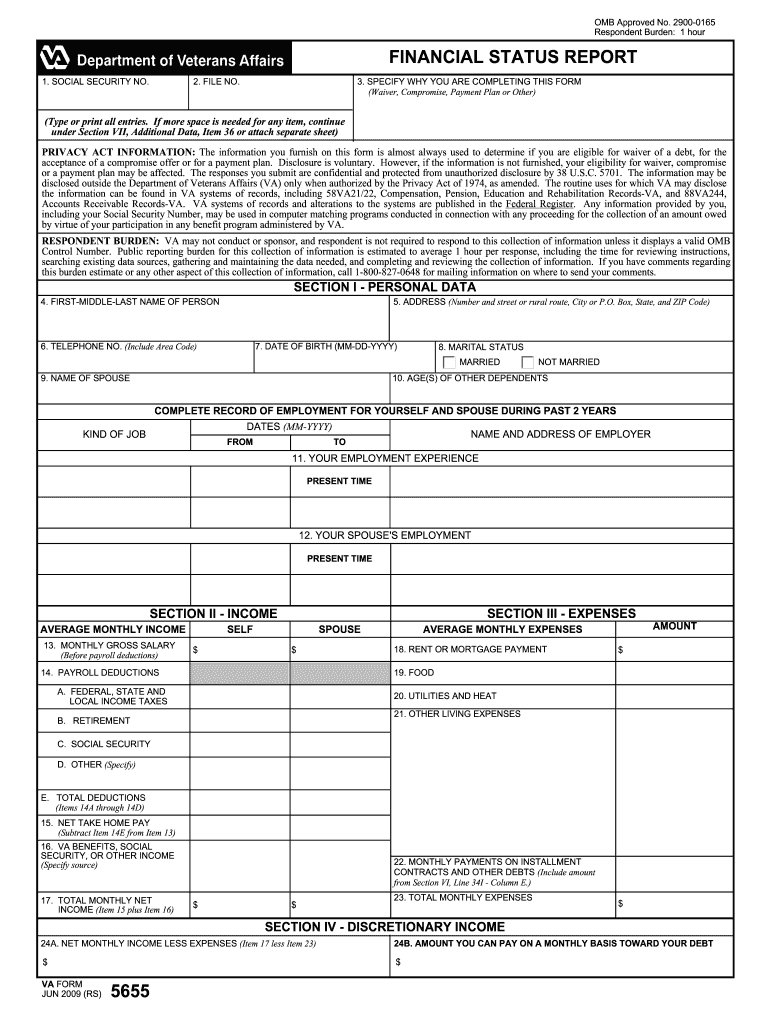
The fastest way to submit your request is online. You can also fill out a PDF version of VA Form 5655 and mail it to us. Note: The time limit to request a waiver (debt forgiveness) is 1 year from the date you received your first debt letter.Feb 9, 2026