Definition and Purpose of the SR13 Form
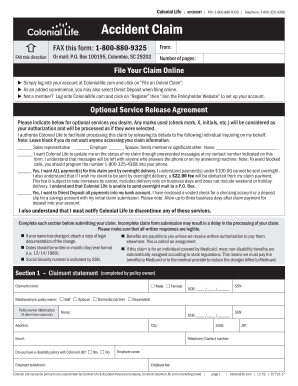
The SR13 form, also known as the Self-Reporting Accident Form in Georgia, is a document established for individuals involved in a traffic incident where law enforcement is not present. Its main purpose is to allow drivers to formally report details of the accident for insurance and legal purposes. The form collects critical information necessary for processing claims and resolving disputes that may arise following the accident.
Key Components of the SR13 Form
- Accident Details: This section requires crucial data such as the date, time, and location of the accident. Accurate documentation here helps in establishing the context of the incident.
- Personal Information: Drivers must provide their names, addresses, and contact details. This ensures that all parties involved can be easily identified and communicated with in any necessary follow-ups.
- Vehicle Information: The form requires specifics regarding the vehicles involved, including make, model, year, and license plate numbers. This data is crucial for insurance companies when processing claims.
- Insurance Information: Participants must include details about their insurance providers and policy numbers. This is essential for claims processing and to establish liability as per insurance agreements.
Steps to Complete the SR13 Form
Filling out the SR13 form involves a systematic approach to ensure all necessary information is captured accurately.
- Obtain the Form: The SR13 form can be downloaded from the Georgia Department of Driver Services (DDS) website or accessed through various reporting platforms.
- Fill in Personal and Vehicle Details:
- Start with your full name and contact information.
- Include details about involved vehicles, ensuring all fields are completed accurately.
- Detail the Accident Circumstances: In the designated section, provide a factual account of how the accident occurred. Use precise language to describe the events as they unfolded, including any contributing factors.
- Gather Witnesses: If applicable, document contact information for any witnesses present at the scene. This information can be valuable for claims and legal purposes.
- Review and Submit: Before submitting the form, review it for accuracy. Once satisfied, submit it to your insurance company and consider retaining a copy for your records.
Legal Implications of Using the SR13
Utilizing the SR13 form properly can have substantial legal implications. Given that it serves as an official record of the accident, inaccuracies or omissions may lead to complications, particularly in insurance claims and liability assessments. Understanding the legal context can help drivers navigate the aftermath of an accident more effectively.
Compliance with State Law
- Adherence to Reporting Requirements: In Georgia, submitting the SR13 is mandated only for certain accidents, typically those that do not involve injuries or significant property damage. Awareness of when to utilize the form is crucial to avoid legal penalties.
- Insurance Notifications: Failing to report the accident to your insurance company using the SR13 may result in repercussions, including denial of claims. Compliance with all reporting protocols ensures that you are protected under your insurance policy.
Who Typically Uses the SR13 Form?
The SR13 form is mainly used by individuals involved in traffic accidents within the State of Georgia. An understanding of the typical users can aid in tailoring the form’s guidance to specific audiences.


Common Users include:
- Individual Drivers: Anyone operating a vehicle in Georgia who is involved in an accident without law enforcement intervention.
- Insurers: Insurance companies require this form to substantiate claims filed by policyholders following accidents.
- Legal Professionals: Attorneys may refer to the SR13 when handling cases related to vehicular accidents.
- Local Government Officials: Certain government entities might use the form as part of their regulations or auditing processes regarding traffic incidents.

Important Terms Related to the SR13
Understanding the terminology associated with the SR13 form is beneficial for users to communicate effectively concerning accident reporting and insurance claims.
Key Terms Include:
- Liability: The legal responsibility for the damages caused during the accident. Understanding liability can help determine insurance payouts and fault.
- Claim: A formal request made to an insurance company for payment or compensation for losses incurred from the accident.
- Witness Statements: Testimonies from individuals who observed the accident, which may play a crucial role in establishing facts related to liability.
Conclusion: Key Takeaways from Using the SR13 Form
In summary, the SR13 form is an essential tool for documenting traffic accidents in Georgia. Understanding its purpose, proper completion methods, legal implications, typical users, and relevant terminology can significantly enhance how individuals manage post-accident scenarios. By ensuring accurate and thorough reporting via the SR13, users can navigate insurance processes more effectively and safeguard their legal interests following an accident.