






Definition and Meaning of the Medical Diagnosis Template
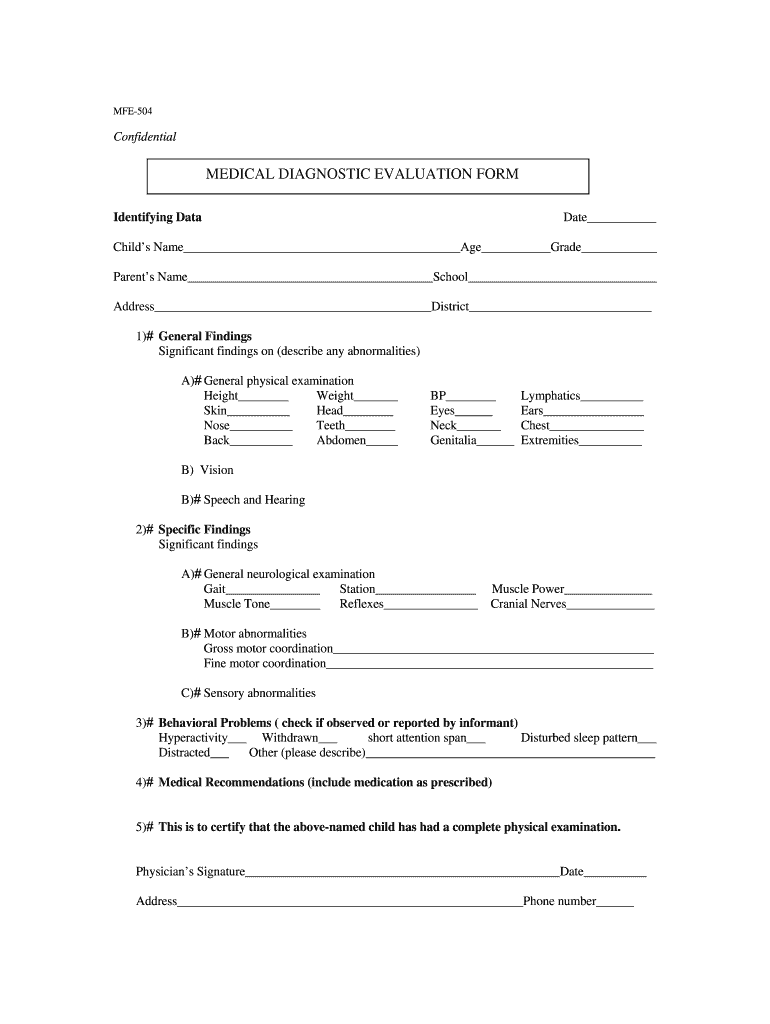
A medical diagnosis template serves as a structured form used by healthcare professionals to document patient information, observations, and conclusions regarding a patient's health status. This template may include sections for identifying data, medical history, physical examination findings, and suggested treatment plans. The purpose of the document is to ensure that significant medical information is recorded systematically, facilitating better patient care and communication among healthcare professionals.
- Purpose of the Template: The primary function of the medical diagnosis template is to standardize data collection, making it easier for healthcare providers to share and review a patient’s medical history.
- Components: Key components typically found in a medical diagnosis form include:
- Patient identification data
- A detailed account of symptoms
- Physical examination results
- Treatment recommendations
- Follow-up care instructions
Understanding the purpose and common components of this document is essential for maintaining clear medical records, which can enhance the quality of patient care.
How to Use the Medical Diagnosis Template
Utilizing a medical diagnosis template effectively requires adherence to procedural guidelines that enhance data integrity and utility.
- Access the Template: Obtain a suitable medical diagnosis form template that complies with relevant healthcare standards and can be adapted based on specific patient needs.
- Input Patient Information: Begin by entering identifying patient details, including name, date of birth, and medical history, ensuring accuracy to avoid potential discrepancies.
- Document Observations: Carefully record the physical exam findings and symptoms as evidenced by clinical procedures, utilizing checkboxes or writing free-form.
- Add Recommendations: Clearly state your clinical findings and any recommended treatments or further diagnostic tests.
- Finalize the Document: Ensure that the completed document is reviewed for accuracy before signing and distributing it to the necessary parties.
By following these steps, healthcare professionals can enhance record-keeping and inter-provider communication, ensuring that all information is adequately documented and accessible.
Key Elements of the Medical Diagnosis Template
Understanding the key elements of the medical diagnosis template can significantly improve the quality and effectiveness of patient assessments.
- Patient Identification:
- Full name
- Date of birth
- Medical record number
- Chief Complaint:
- Description of the main issue prompting the visit
- History of Present Illness:
- Detailed narrative that includes the duration, characteristics, and severity of symptoms
- Past Medical History:
- Relevant prior illnesses, surgeries, and family medical history
- Review of Systems:
- Checklist assessing various bodily systems, documenting any abnormalities
- Physical Examination Findings:
- Objective findings from the physical examination, such as vital signs and inspection results
- Assessment and Diagnosis:
- Clinician's interpretation of the findings, leading to a provisional or definitive diagnosis
- Treatment Plan:
- Recommended interventions, including medications, therapies, or referrals to specialists
- Follow-Up Instructions:
- Guidelines for follow-up appointments or additional diagnostic testing
These elements form the foundation of an effective medical diagnosis document, promoting thoroughness and clarity in documenting patient care.
Steps to Complete the Medical Diagnosis Template
Completing a medical diagnosis template requires a systematic approach to ensure comprehensive and accurate patient evaluations.
- Gather Relevant Information: Collect essential patient data before completing the form. This can include prior medical records, lab results, and other pertinent documents.
- Fill in Patient Details: Input all necessary identification details, ensuring spelling and accuracy to maintain clear records.
- Document the Chief Complaint: Ask the patient about the primary reason for their visit and note their responses verbatim to capture their perspective.
- Conduct a Thorough Examination: Perform a physical examination and record your observations methodically to form the basis of the medical assessment.
- Assess and Document Findings: Analyze the collected data and record your medical interpretations and potential diagnoses, ensuring the rationale is clear.
- Plan Treatment Options: Propose a treatment strategy based on the diagnosis and explain it in detail on the form.
- Ensure Clarity: Review the entire document to ensure no sections are incomplete or unclear, as this could lead to errors in patient care.
- Secure Necessary Signatures: Once finalized, ensure that appropriate approvals or signatures are obtained before sharing the document with relevant parties.
Adhering to these steps helps in effectively utilizing the medical diagnosis template, ultimately enhancing patient care and clinical communication.
Examples of Using the Medical Diagnosis Template
Using a medical diagnosis template can streamline the documentation of various patient interactions in real-world healthcare settings.
- Pediatric Case Study: In assessing a child with persistent abdominal pain, a physician may utilize the template to document the child's symptoms, family medical history, and the results of the physical examination. This structured approach aids in formulating a differential diagnosis and ultimately leads to identifying the cause of the pain.
- Chronic Disease Management: For patients with chronic illnesses such as diabetes, clinicians can use the template to track changes in symptoms and treatment efficacy over time. Each visit allows for the ongoing assessment of the patient's health status, reinforcing the importance of continuous care.
- Urgent Care Visits: In an urgent care setting, a clinician might employ the template to efficiently document a patient's acute injury. By quickly populating the template with essential information, the provider can focus on immediate treatment while ensuring all necessary details are documented for future reference.
These examples demonstrate the utility of the medical diagnosis template in various healthcare contexts, fostering effective patient assessment and management.