




01. Edit your basketball contract template online
Type text, add images, blackout confidential details, add comments, highlights and more.

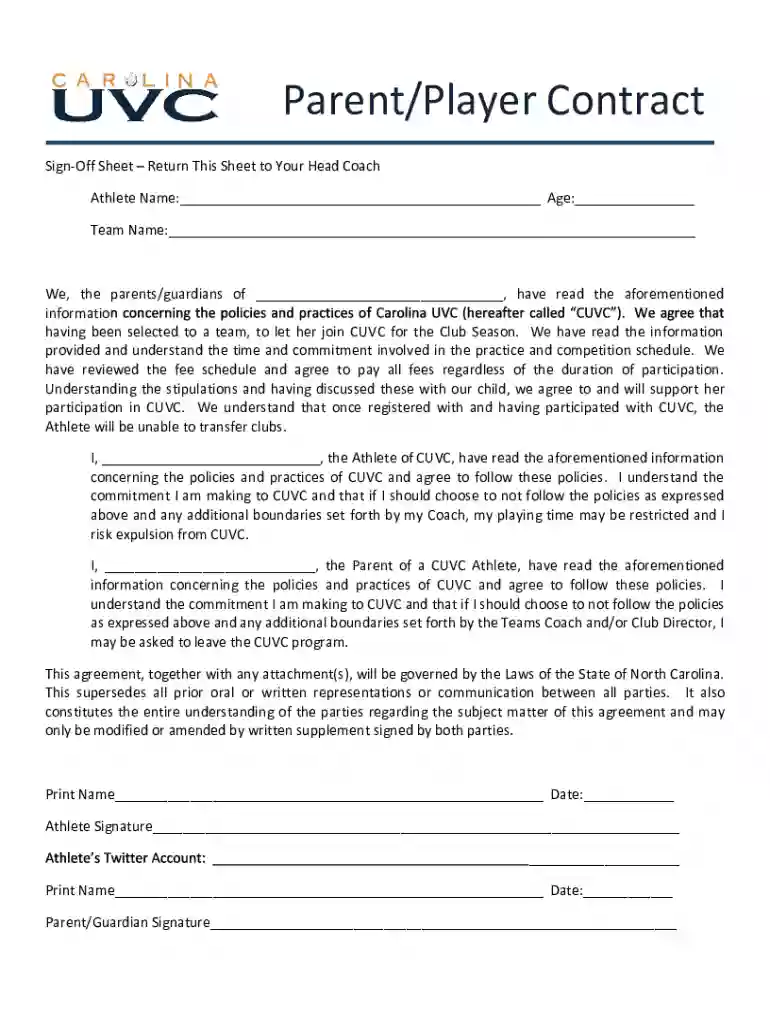
Type text, add images, blackout confidential details, add comments, highlights and more.

Draw your signature, type it, upload its image, or use your mobile device as a signature pad.

Send basketball player contract template via email, link, or fax. You can also download it, export it or print it out.
Youth basketball contracts serve as essential agreements between athletes, parents, and basketball organizations. These contracts outline the expectations, responsibilities, and rights of all parties involved. By establishing clear agreements, the potential for misunderstandings and disputes decreases significantly, promoting a positive experience for everyone involved.
A well-structured youth basketball contract typically includes several critical components:
Several templates exist to cater to different age groups and scenarios:
Clarity is paramount when drafting youth basketball contracts. A contract filled with ambiguous language can lead to confusion among players and parents. By using straightforward language and clearly defined terms, organizations can foster a transparent relationship with families.
Here are practical examples of how youth basketball contracts can be implemented:
Different types of youth basketball contracts may include:
In contemporary settings, many organizations utilize online platforms like DocHub to manage basketball contracts. These platforms offer the benefit of:
Youth basketball contracts are more than mere formalities; they are foundational documents that establish the framework for participation in youth sports. By ensuring these contracts are well-formulated, organizations can enhance the experience for players and families while promoting accountability and respect within the youth sports community.
Yes, you can use DocHub for signing any business and private documentation, including your basketball contract. All eSignatures you create with our service are legally binding and court-admissible, as DocHub complies with criteria required by ESIGN and UETA. Save your accomplished form with a detailed Audit Trail if necessary.
In case your go-to electronic mail service is Gmail, it is simple to incorporate your DocHub editor in your work. Edit your basketball contracts with DocHub tools and attach it to your drafts in Gmail. See how effortless it is to exchange papers and collaborate having a swift PDF editing solution at hand.
At DocHub, your data security is our priority. We follow HIPAA, SOC2, GDPR, and other standards, so you can work on your documents with confidence.
The Youth Sports program office shall notify the contract holder or commissioner of all postponed or cancelled games with at least 1 hour prior notice or in
The players employment shall include. (without limitation) attendance at training camp on the dates the club designates but not earlier than four weeks priorRead more


