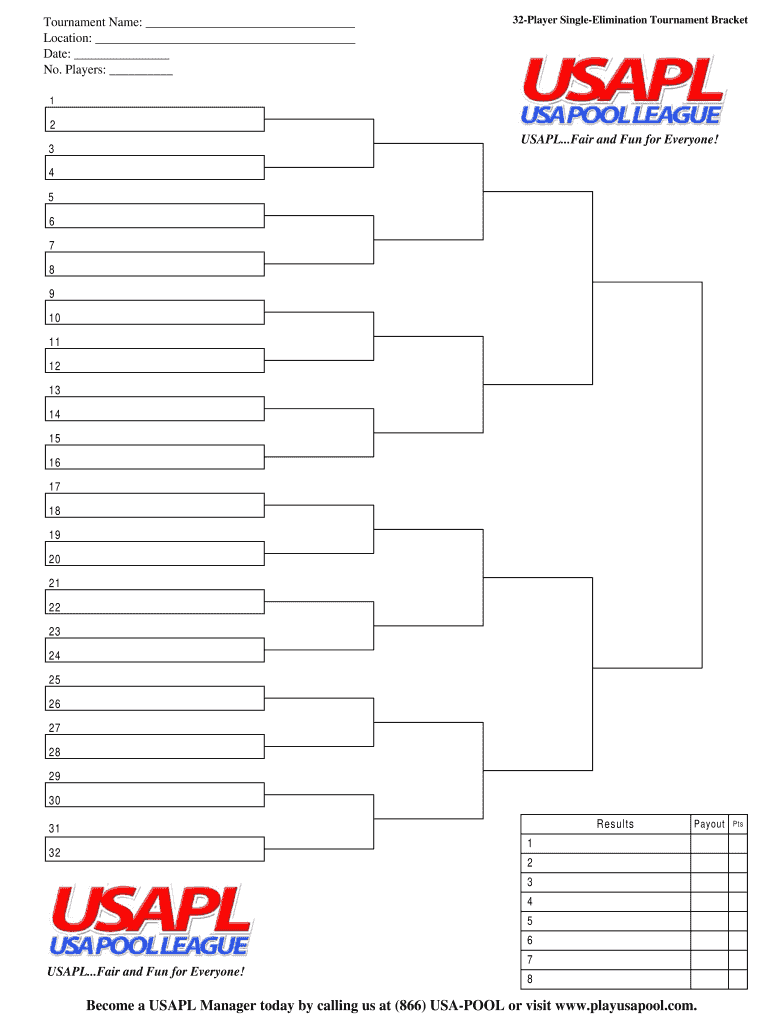







Overview of the 32-Player Single-Elimination Tournament
A 32-player single-elimination tournament is a competitive format where players face off in one-on-one matches, and the loser of each match is eliminated from the tournament. This bracket style is prevalent in various sports and games, making it an exciting way to determine a champion from a larger group quickly. In this format, each match leads one player closer to victory while the rest are progressively eliminated.
Structure of the Tournament Bracket
The structure of a 32-player single-elimination tournament is straightforward yet effective. Each player must be placed in a bracket, resulting in an initial round of 32 players. The matches progress through several rounds until only one player remains undefeated. Key components of the bracket include:
-
Rounds: Each round reduces the number of competitors:
- First Round: 32 players participate, yielding 16 winners.
- Second Round: The 16 winners compete to produce 8.
- Third Round: The 8 winners compete, resulting in 4.
- Fourth Round: The 4 remaining players face off, leading to 2 finalists.
- Final Round: The last two players compete for the championship.
-
Seeding: Players may be seeded based on previous performances or random drawing. Higher seeds usually get matched against lower seeds in the initial rounds to ensure competitive balance.
Key Components of the Tournament
Organizing a successful 32-player single-elimination tournament involves several vital elements:
-
Player Registration: Create a streamlined process for players to sign up. This may include collecting names, contact information, and entry fees.
-
Match Scheduling: Ensure that all matches are scheduled in advance to accommodate players throughout the tournament, maintaining transparency regarding times and locations.
-
Rules and Regulations: Define the rules governing gameplay, including match format, scoring systems, and penalties for violations. Clear guidelines foster a positive experience for all participants.
-
Scoring System: Establish how scores will be tracked, whether through a live scoreboard, paper brackets, or digital tracking methods.
-
Final Scoring and Awards: Plan for the final tally of scores and potentially award prizes for top performers. This could include trophies, certificates, or monetary rewards depending on the tournament's scope.
Considerations for Organizers
As the organizer, ensuring smooth operations is critical to a successful tournament. Some factors to consider include:
-
Venue Selection: Choose an appropriate venue that can accommodate all players and spectators comfortably. Considerations include lighting, seating, and accessibility.
-
Technical Setup: If utilizing technology for scoring and scheduling, ensure all equipment is reliable and tested pre-tournament. Familiarize staff with the tech to aid players and spectators during the event.
-
Contingency Planning: Develop a backup plan for unexpected events, such as weather issues (for outdoor tournaments), equipment failures, or player withdrawals.
Common Challenges in Single-Elimination Tournaments
Running a 32-player single-elimination tournament presents several challenges that organizers should be prepared to face:
-
Time Constraints: Matches in a single-elimination format can be time-consuming, particularly if they extend into multiple rounds. Ensure there is a clear timeline to follow.
-
Participant Engagement: Keeping all players engaged throughout the tournament can be challenging, especially for those eliminated early. Consider integrating side events or consolation matches.
-
Communication: Effective communication among players, staff, and attendees is vital for maintaining organization and addressing any arising issues promptly.
Variations and Alternatives
While the 32-player single-elimination format is widely used, there are variations that may suit different contexts:
-
Double Elimination: In this format, players have a second chance; they are eliminated only after losing two matches, thereby offering a more forgiving structure.
-
Larger Brackets: For tournaments with more participants, a 64-player format may be used, requiring additional rounds and structure similar to the 32-player setup.
-
Round Robin: In contrast to elimination, some tournaments may utilize a round-robin format where players compete against each other, accumulating points rather than being eliminated.
Understanding the ins and outs of a 32-player single-elimination tournament can provide the framework needed for successful competitions in various settings, be it sports, esports, or other competitive contexts.