COMMERCIAL GENERAL LIABILITY COVERAGE PART DECLARATIONS - cleancars 2025

Get Form
hup intranet Preview on Page 1

Here's how it works

01. Edit your hup intranet online
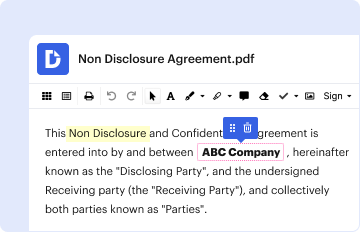
Type text, add images, blackout confidential details, add comments, highlights and more.
02. Sign it in a few clicks
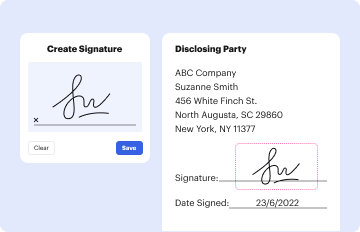
Draw your signature, type it, upload its image, or use your mobile device as a signature pad.
03. Share your form with others
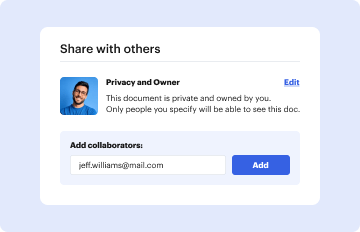
Send it via email, link, or fax. You can also download it, export it or print it out.

How to use or fill out COMMERCIAL GENERAL LIABILITY COVERAGE PART DECLARATIONS - cleancars

Form edit decoration
9.5
Ease of Setup
DocHub User Ratings on G2
9.0
Ease of Use
DocHub User Ratings on G2
  1. Click ‘Get Form’ to open it in the editor.
  2. Begin by entering the insured's information. Fill in 'Clean Cars Inc' as the insured entity and ensure that the agent details are correctly listed as 'MID STATE INS AGCY INC'.
  3. Next, review the policy number and period. Confirm that the policy number is 'SPP00000018369P' and that the coverage period is from '09/07/2012 to 09/07/2013'.
  4. In the limits of insurance section, input the specified limits for each category: Each Occurrence Limit ($1,000,000), Damage to Premises Rented Limit ($100,000), Medical Expense Limit ($5,000), Personal Injury Limit ($1,000,000), General Aggregate Limit ($2,000,000), and Products/Completed Operations Aggregate Limit ($2,000,000).
  5. Indicate the form of business as 'Corporation' and specify your business description as 'Auto Detailer'.
  6. For location details, refer to the supplemental schedule for all premises owned or occupied.
  7. Finally, review any applicable forms and endorsements listed in the schedules before saving your completed document.

Start using our platform today to easily fill out your COMMERCIAL GENERAL LIABILITY COVERAGE PART DECLARATIONS for free!

be ready to get more

Complete this form in 5 minutes or less

Get form

Got questions?

We have answers to the most popular questions from our customers. If you can't find an answer to your question, please contact us.
Contact us
Commercial General Liability (CGL) is the standard commercial liability policy used to insure businesses. There are three primary coverage sections that make up a CGL policy: premises liability, products liability and completed operations.
General Liability covers three main categories of claims: Bodily Injury is a type of personal injury in which a businesss operations cause physical damage or illness to a third party. Property Damage includes any physical damage to the property of a third party as a result of a businesss operations.
CGL policies cover property damage, bodily injury, and other types of claims. This coverage will help you pay attorney fees or settlement costs in the event of a lawsuit.
A commercial general liability policy (CGL) lists six different limits on the policys declarations page. While the limits may be listed separately, its important to understand that they are all interrelated.
Commercial General Liability Coverage Details Bodily injury and property damage coverage is central to the CGL policy, protecting the insured against claims of bodily injury or property damage that occur as a result of the businesss operations or premises.
be ready to get more

Complete this form in 5 minutes or less

Get form

People also ask

Standard CGL includes: Coverage A: Bodily Injury and Property Damage Liability. Coverage B: Personal and Advertising Injury. Coverage C: Medical Payments. Directors and Officers liability. Liquor liability. Pollution liability.
It lists the named insured, policy term, and other key points about the insurance provided. Also known as the DEC page, its the first place to check for essential information about your insurance coverage. Most small business policies come with insurance declarations pages, including: General liability insurance.
Key Exclusions in Commercial General Liability Policies Injuries or damage that the policyholder intentionally caused will not be covered. Similarly, contractual liability arising from assumed contractual obligations is typically excluded.

Related links