






Definition and Purpose of the Maternity Notification Form
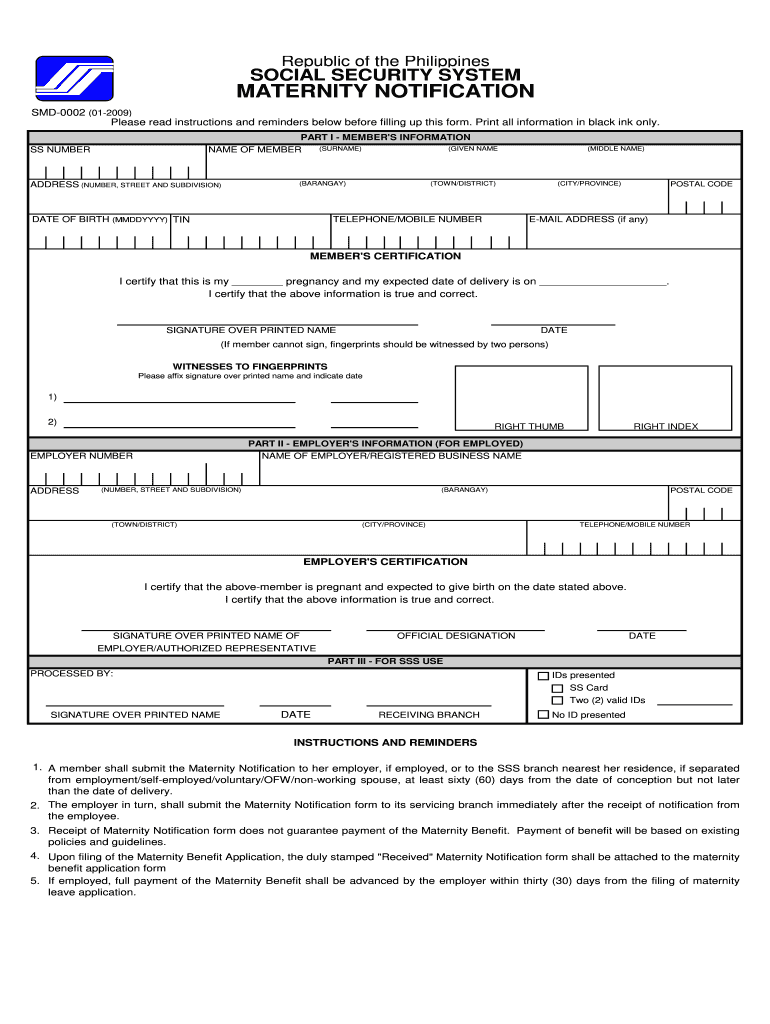
The maternity notification form is a critical document that enables employees to formally inform relevant authorities, typically their employer or a governmental body, about their pregnancy and expected delivery date. This documentation serves several key purposes:
-
Eligibility for Benefits: The primary function of the form is to establish the employee's right to maternity benefits. In many jurisdictions, including the United States, the completion of this form is a prerequisite for accessing maternity leave and associated benefits, such as paid leave through programs like the Family and Medical Leave Act (FMLA).
-
Record Keeping: It acts as an official record for both the employee and the employer, ensuring that all necessary parties are aware of the employee's maternity status. This is crucial for compliance with labor laws and employer policies.
-
Assurance of Rights: By submitting the maternity notification, the employee safeguards her rights regarding job security and workplace accommodations during and after the pregnancy.
Understanding the function of the maternity notification form is essential for anyone navigating the complexities of maternity benefits, both for the employee seeking the benefits and the employer responsible for processing such requests.
How to Complete the Maternity Notification Form
Completing the maternity notification form involves several straightforward steps, which ensure that all required information is accurately provided.
-
Gather Required Information: Before filling out the form, collect necessary details such as:
- Personal information (name, address, contact details)
- Employment details (job title, department, employment start date)
- Expected delivery date
- Any documentation from healthcare providers if required
-
Fill in Personal Information: The form typically begins with fields for the employee’s personal details. Ensure all names are spelled correctly and that contact information is current.
-
Submit Notice of Pregnancy: Clearly indicate your pregnancy status and expected due date. Some forms may require a signature from a healthcare provider affirming the pregnancy.
-
Additional Sections: Complete any other sections pertaining to the type of benefits you are applying for. This might include details such as planned leave dates or requests for flexible working arrangements.
-
Review: Before submission, carefully review the form to ensure all information is complete and accurate. Any missing or incorrect information could delay benefit access.
-
Submission: Follow the specific submission instructions provided on the form or associated guidelines. This could include submission to HR, direct to the insurance provider, or filing with a governmental body.
Making sure these steps are thoroughly completed will facilitate a smoother application for maternity benefits.
Submission Methods for the Maternity Notification Form
Submitting the maternity notification form can usually be done in various ways, depending on employer policies and state regulations.
-
Online Submission: Many organizations provide online platforms for submitting maternity notifications. Employees can fill out the form digitally and submit it directly to their HR departments through internal portals.
-
Email Submission: Some employers allow for email submission of scanned forms. Ensure that the form is signed, if necessary, and sent from a company-approved email address for security.
-
Postal Mail: If required, you can print the form and send it via regular postal mail. Make sure to use a reliable delivery service and retain a copy for your records.
-
In-Person Submission: For some, giving the completed form directly to the HR representative can be beneficial. This allows for any immediate questions to be answered and ensures receipt is documented.
Understanding the submission methods available is essential, as each option has its own nuances and may impact the speed of processing maternity benefits.
Key Elements of the Maternity Notification Form
The maternity notification form contains various key elements that must be carefully completed. Here are the primary components typically included:
-
Employee Information Section: This includes the employee's name, employee identification number, and contact details. Accuracy is vital to prevent miscommunication.
-
Pregnancy Details: The section should clearly state the expected delivery date and the date of the health care provider's confirmation of the pregnancy, if required.
-
Employer Information: Some forms may require the name and contact details of the employee's direct supervisor or HR manager to ensure proper communication during the maternity leave process.
-
Benefit Selection: This part allows the employee to specify what type of maternity benefits she is requesting. Options may vary depending on company policy and state laws.
-
Signature: The form generally concludes with a section for the employee's signature and date of submission, affirming that all provided information is correct and complete.
Thoroughly understanding these key elements will ensure that the maternity notification form fulfills its intended purpose without confusion or delays.
Important Filing Deadlines for Maternity Notification
Filing deadlines for submitting the maternity notification form are crucial to ensuring the timely access of maternity benefits. While specific deadlines can vary by state and employer policy, the following general guidelines are often applicable:
-
Notification Timing: It is usually required that employees submit the maternity notification within a specified timeframe, often within 30 to 60 days from the conception date or expected delivery.
-
Employer Policies: Check the company’s maternity leave policy for any specific deadlines related to notice periods. Some employers may require notice as early as the end of the first trimester.
-
State Regulations: Certain states have additional regulations regarding maternity leave notification. Familiarize yourself with local labor laws to ensure compliance and to avoid penalties.
-
Late Notifications: If the form is submitted late, it may result in delays or denial of maternity benefits. If circumstances change, contacting HR promptly for guidance is important.
Following these deadlines will help ensure that you receive the appropriate maternity benefits without unnecessary complications.
Conclusion on Compliance and Penalties for Non-Compliance
Compliance with the maternity notification form submission is essential, as non-compliance can lead to serious consequences. Employers are mandated by federal and state laws to uphold maternity benefits. Failure to properly file the maternity notification can result in:
-
Loss of Benefits: Not submitting the form may mean being ineligible for maternity leave or any associated benefits, significantly impacting financial stability during maternity.
-
Legal Penalties for Employers: Employers who do not adhere to legal requirements regarding maternity leave and benefits may face lawsuits or financial penalties.
-
Employment Consequences: Non-compliance could also lead to disciplinary action against employees, including termination in more severe cases.
Therefore, understanding the significance of the maternity notification form and adhering to the guidelines is critical for both employees and employers.