



Understanding Net 30 Terms Agreement Template
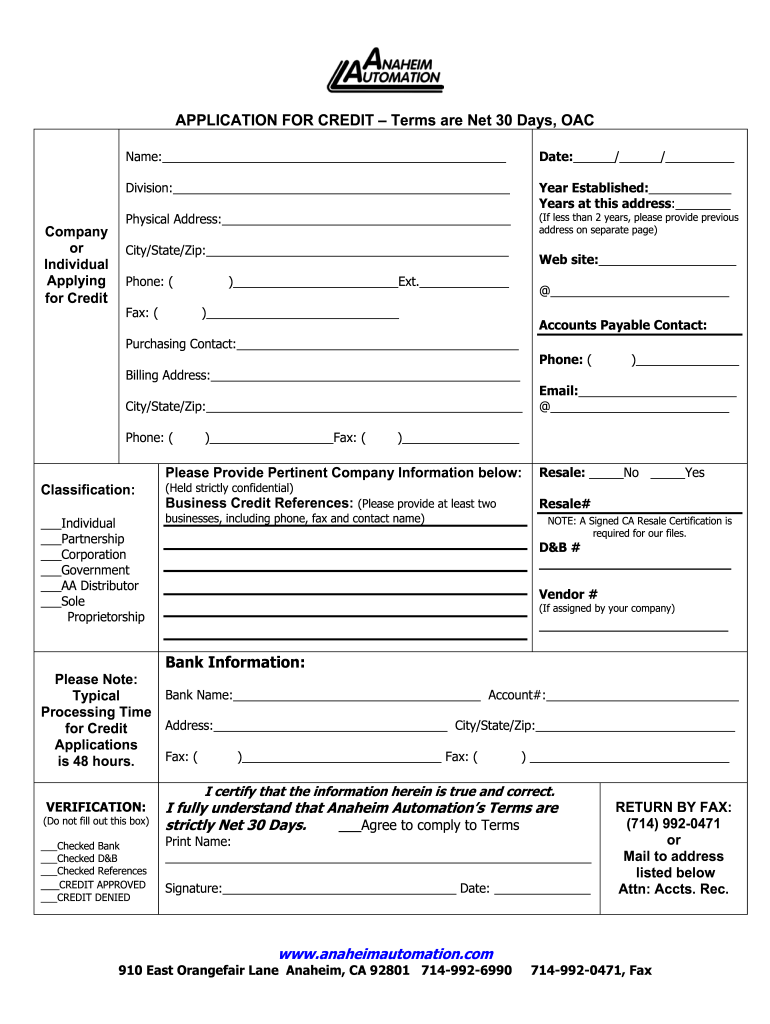
A net 30 terms agreement template outlines the payment terms for business transactions, typically specifying that payment is due thirty days after the receipt of an invoice. This arrangement is common in commercial agreements and provides clarity on financial expectations between parties.
Key Components of a Net 30 Agreement
- Payment Terms: Clear definition of the net 30 terms is crucial. It indicates the period allowed for payment without incurring late fees.
- Parties Involved: The agreement should list both the seller and the buyer, including their full legal names and addresses.
- Invoice Details: Each agreement should detail how invoices will be issued, including frequency, format, and expectations regarding supporting documentation.
- Late Payment Policies: Specifications on penalties or interest charges for late payments should be included to protect interests.
How to Create a Custom Net 30 Terms Agreement
- Begin with Basic Information: Gather details about both parties involved, including contact information and legal identifiers (like business ID).
- Outline Payment Specifications: Clearly state the payment terms, specifying that payment is due 30 days from the invoice date.
- Include Delivery Terms: Detail how and when goods or services will be delivered, establishing a timeline that corresponds with payment expectations.
- Introduce Legal Considerations: Include clauses regarding dispute resolution, liability, and governing law to ensure compliance with applicable regulations.
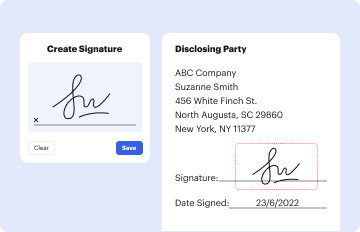
- Provide a Signature Section: Conclude with a section for both parties to sign, indicating their agreement to the outlined terms.
Practical Examples of Net 30 Agreements
- Example Scenario 1: A supplier of office equipment provides an agreement to a small business, specifying that all invoices for delivered products must be paid within 30 days. Should the business fail to pay on time, a fee of one and a half percent is added to the outstanding amount.
- Example Scenario 2: A freelance graphic designer issues a net 30 terms agreement to a client, detailing that payment for completed projects is due within 30 days after the project’s delivery and includes provisions for handling late payments.
Common Use Cases for Net 30 Agreements
- Retail Businesses: Commonly used as a credit arrangement for regular customers, allowing them to buy now and pay later, improving cash flow.
- Service Providers: Freelancers and agencies utilize net 30 terms to encourage prompt payment without requiring upfront fees.
- B2B Transactions: Companies regularly implement this practice to establish trust and foster long-term client relationships.
Legal Considerations for Net 30 Agreements
- Enforceability: Ensure that both parties understand that the agreement is legally binding upon signatures.
- State Regulations: Payment terms can be subject to state laws dictating maximum late fees or specific requirements for documentation. Consult local legislation to craft a compliant agreement.
- Consumer Rights: Be mindful of consumer protection laws that may affect business-to-consumer transactions where net terms are applied.
Nuances and Variations in Net 30 Terms
- Flexibility and Negotiation: Some agreements may include options for early payment discounts, allowing negotiable terms based on the relationship between the parties.
- Adaptability to Industry Standards: Different industries may dictate varying uses of net 30 terms. The construction industry may have different expectations compared to retail or service sectors.
Conclusion
A net 30 terms agreement template establishes a professional and trustworthy framework for business transactions, offering both parties clear expectations regarding payment timelines. It is important to customize the agreement to meet specific needs while ensuring compliance with applicable laws and regulations. This template serves as a foundation, guiding businesses in their financial dealings to foster positive relationships.