




Here's how it works
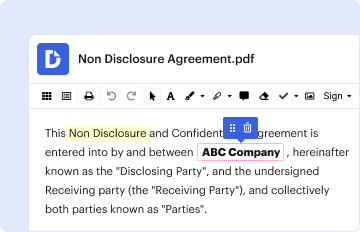
01. Edit your rpu outage online
Type text, add images, blackout confidential details, add comments, highlights and more.
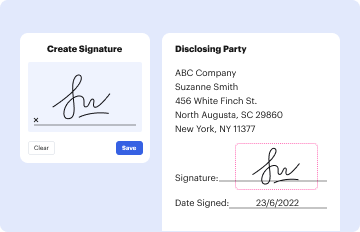
02. Sign it in a few clicks
Draw your signature, type it, upload its image, or use your mobile device as a signature pad.
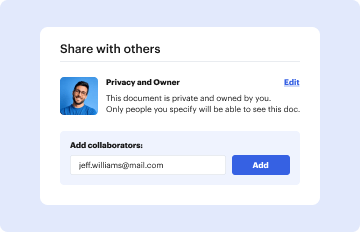
03. Share your form with others
Send rpu outage map via email, link, or fax. You can also download it, export it or print it out.
How to use or fill out mn rpu backflow prevention rochester with our platform

- Click ‘Get Form’ to open the mn rpu backflow prevention rochester form in the editor.
- Begin by filling in the 'Manufacturer', 'Model', 'Size', and 'Serial #' fields. Ensure that all details are accurate for proper identification of the backflow assembly.
- Provide your business information by entering the 'Name of Business', 'Address', and 'Location of Device in Building'. This helps in tracking and servicing your device effectively.
- Select the type of backflow assembly from the options provided: RPZ, DCV, New Install, Existing Device, or Replacement. If applicable, enter the old assembly serial number.
- For each check valve (Check Valve #1 and #2), indicate whether it leaked or closed tight during testing. Record the pressure readings (PSID) as required.
- Complete the certification section by entering your name as the tester, date, and any comments regarding repairs or issues encountered during testing.
Start using our platform today to fill out your mn rpu backflow prevention rochester form easily and for free!
Fill out mn rpu backflow prevention rochester online
It's free
It's free
See more mn rpu backflow prevention rochester versions
We've got more versions of the mn rpu backflow prevention rochester form. Select the right mn rpu backflow prevention rochester version from the list and start editing it straight away!
| Versions | Form popularity | Fillable & printable |
|---|---|---|
| 2014 | 4.8 Satisfied (217 Votes) |
Got questions?
We have answers to the most popular questions from our customers. If you can't find an answer to your question, please contact us.
Contact us
Do backflow preventers wear out?
Just like any other mechanical device, backflow prevention assemblies are prone to wear and tear, and do break down from time to time. Regular testing is required in order to ensure that your device remains in proper working order.
Where do I find my backflow preventer?
Identifying Your Residential Backflow Preventer Most residential backflow preventers are located near the water meter or the main water shut-off valve. You can also inspect external connections to locate this component. Check for any devices attached to outdoor spigots, sprinkler systems or swimming pools.
Do backflow preventers require maintenance?
Perform Regular Equipment Testing Scheduling regular backflow preventer tests and inspections is arguably the most important aspect of proper preventer maintenance. In fact, most jurisdictions mandate annual backflow preventer and monitoring equipment testing for businesses and certain private residences.
What do Rochester public utilities cover?
Rochester Public Utilities (RPU) is a municipally-owned electric and water utility located in Rochester, MN. RPU serves more than 60,000 electric customers and 42,000 water customers. RPU operates under the direction of a five member, mayor-appointed Utility Board and under the Rochester City Council.
How often should a backflow preventer be replaced?
What is the Lifespan of a Backflow Preventer? The expected lifespan of a black flow preventer is typically 5 to 10 years, depending on the type of backflow preventer. Some common types of backflow preventers include: Double Check Valve Assemblies (DCVA)
Security and compliance
At DocHub, your data security is our priority. We follow HIPAA, SOC2, GDPR, and other standards, so you can work on your documents with confidence.
Learn more


People also ask
How long does a residential backflow preventer last?
The expected lifespan of a black flow preventer is typically 5 to 10 years, depending on the type of backflow preventer. Some common types of backflow preventers include: Double Check Valve Assemblies (DCVA)
How do you know when a backflow preventer is bad?
If you need help determining whether or not you have backflow issues, here are some signs to look out for to prevent water contamination. Leakages. Slow Drainage. Dip-In Water Pressure. Decrease In Water Quality. Discolouration Of The Water. Foul Smell In Water. Small Visible Particles In Water.
How much does it cost to put in a residential backflow preventer?
ing to homeadvisor, on average, homeowners pay between $135 and $1,000. The backflow prevention device can range from $35 to $600, labor fee could cost between $100 and $400. While backwater or check valve including installation, costs range between $70 and $250.