






Overview of Abortion Receipts
An abortion receipt is an essential document issued by medical providers after a patient undergoes an abortion procedure. This receipt serves as proof of payment for the services rendered and includes critical information about the procedure. It is vital for patients to retain this receipt for personal record-keeping, insurance purposes, and any future reproductive health needs.
Components of an Abortion Receipt
Abortion receipts typically contain specific information necessary for both administrative and personal purposes. Key elements include:
- Patient Information: The patient's name, date of birth, and medical record number.
- Provider Details: Name and contact information of the clinic or healthcare provider that performed the abortion.
- Procedural Details: Type of abortion procedure performed, including whether it was a medical or surgical abortion.
- Date of Service: The exact date when the procedure occurred.
- Cost Breakdown: A detailed account of the costs associated with the procedure, including any applicable fees for consultation, tests, and follow-up care.
- Insurance Information: If applicable, the insurance provider’s details and any payment made by insurance.
- Payment Method: The method used for payment, whether cash, credit, or insurance.
Legal Considerations Surrounding Abortion Receipts
The issuance and retention of abortion receipts are governed by various state and federal laws. Important legal considerations include:
- Privacy Regulations: Abortion receipts contain sensitive personal information and are subject to regulations under the Health Insurance Portability and Accountability Act (HIPAA). Providers must ensure that all patient information is kept confidential.
- Proof for Legal Proceedings: In some cases, abortion receipts may serve as evidence in legal matters related to reproductive health rights or medical malpractice claims.
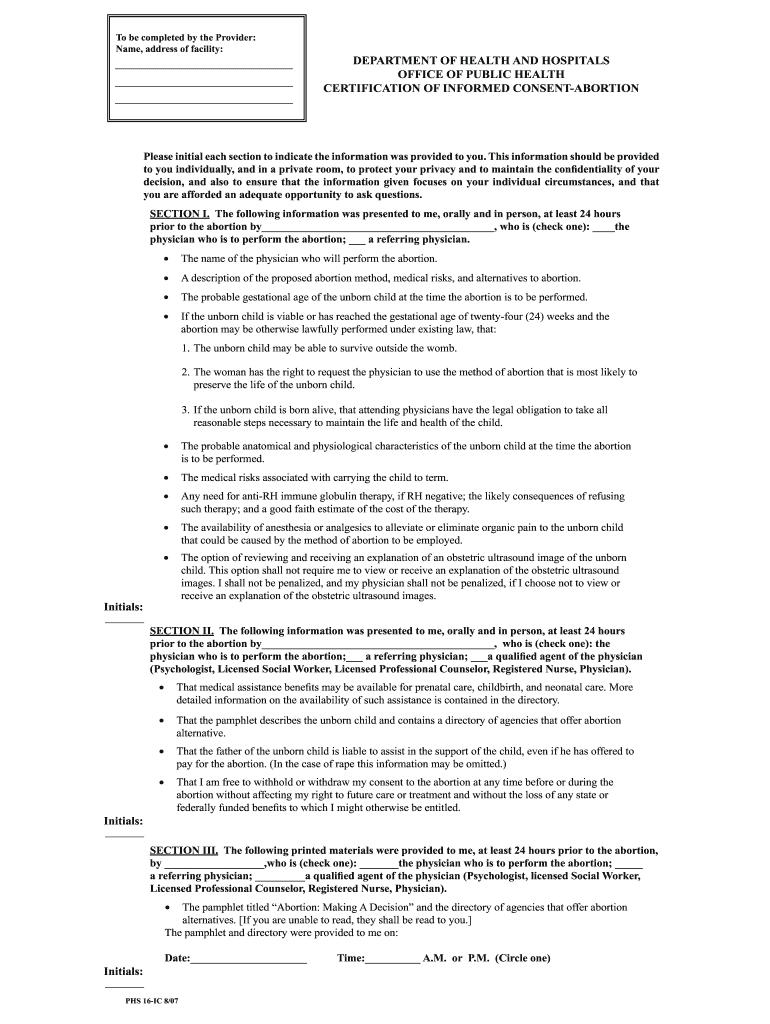
- State-Specific Documentation Requirements: Some states may have unique mandates concerning the documentation provided to patients, including specific wording or additional disclaimers on receipts.
How to Obtain an Abortion Receipt
Patients typically receive their abortion receipt at the time of the procedure or shortly thereafter. Here are steps for obtaining this important document:
- Request Information: Patients should inform the clinic staff at the time of the appointment that they want a receipt for their records.
- Provide Necessary Details: Be prepared to provide personal information as required, such as name, date of birth, and insurance information if applicable.
- Follow Up if Necessary: If a receipt is not provided immediately, patients can contact the clinic or provider’s billing department to request a copy.
Importance of Abortion Receipts
Abortion receipts hold significant value beyond serving as proof of payment. Their importance includes:
- Insurance Claims: For those who have insurance coverage, receipts may be necessary for filing claims or reimbursements with health insurance providers.
- Tax Documentation: Patients may be able to use abortion receipts as medical expense deductions on their tax returns in certain scenarios.
- Future Medical Needs: Should further medical care be required in connection with the abortion, having a receipt can help doctors access relevant historical information.
Variations and Templates of Abortion Receipts
Abortion receipts can take different forms based on the provider and specific services offered. Common variations include:
- Printable Abortion Receipts: Many clinics offer downloadable templates that patients can fill out for their records.
- Abortion Invoice Formats: Providers may issue invoices that serve a similar purpose, detailing all charges separated into identifiable categories.
- Digital Versions: Increasingly, clinics provide digital receipts that can be emailed to patients, offering convenience and additional security.
By understanding the features and importance of abortion receipts, patients can ensure they have the necessary documentation following their procedures. This knowledge supports proper record-keeping and access to healthcare services when needed.