



01. Edit your scatterplot data sheet online
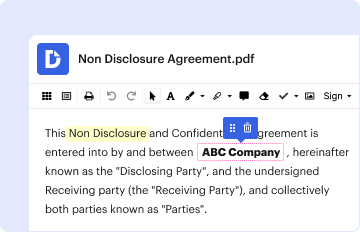
Type text, add images, blackout confidential details, add comments, highlights and more.

Type text, add images, blackout confidential details, add comments, highlights and more.
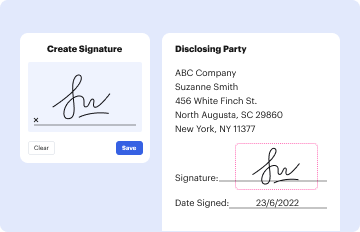
Draw your signature, type it, upload its image, or use your mobile device as a signature pad.

Send scatter plot data sheet via email, link, or fax. You can also download it, export it or print it out.
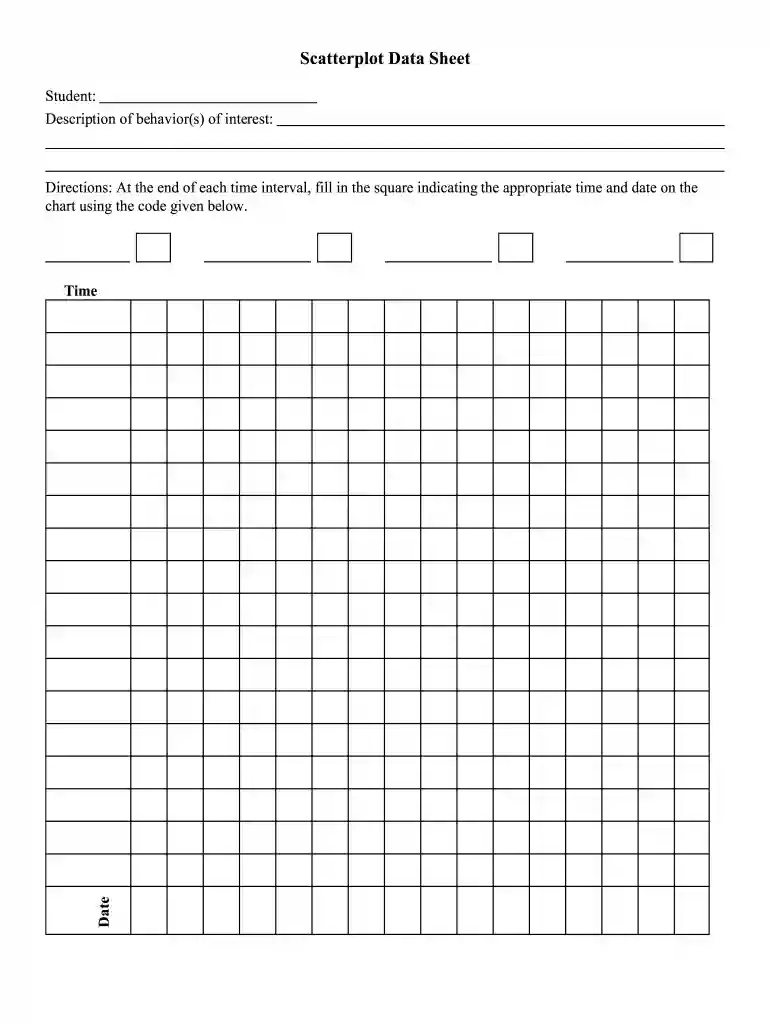
A Scatterplot Data Sheet is a structured document used primarily in Applied Behavior Analysis (ABA) to track and visualize specific behaviors over designated time intervals. This tool is invaluable for practitioners, educators, and researchers who need to collect and analyze data on behavioral occurrences. Generally designed to record behaviors of interest, the scatterplot format allows users to mark instances on a chart, aiding in identifying patterns or trends over time.
The Scatterplot Data Sheet facilitates clear documentation, making it easier to share findings with stakeholders and evaluate the effectiveness of interventions. By using a coding system to denote date and time, stakeholders can gain insights into when specific behaviors occur and under what circumstances. This information is crucial for developing targeted strategies for behavior modification and support.
To utilize a Scatterplot Data Sheet efficiently, follow these steps:
Identify Behaviors: Determine the specific behaviors to be tracked based on observable and measurable criteria. For instance, a teacher might focus on instances of disruptive behavior during class.
Set Time Intervals: Establish the duration for which data will be recorded (e.g., fifteen minutes or an entire school day). This aids in collecting a comprehensive data set reflecting different contexts.
Use Coding System: Apply a consistent coding method to mark behaviors. For example, use different symbols for various types of behaviors, such as "A" for aggressive acts and "D" for disengagement.
Record Data: While observing the individual, fill in the scatterplot data sheet with the corresponding codes at the designated intervals. Ensure accuracy in capturing the time notation for each occurrence.
Analyze Results: After data collection, analyze the outcomes to seek patterns. Look for recurring behaviors at specific intervals, which could inform future interventions.
In schools, educators employ scatterplot data sheets to monitor student behavior during class. For instance, a scatterplot might reveal that a particular student exhibits disruptive behaviors more frequently in periods immediately following lunch. Identifying such patterns can lead to targeted behavioral interventions, such as reviewing classroom structure post-lunch or providing additional support during transitions.
Acquiring a Scatterplot Data Sheet is straightforward. Various sources offer templates that can be printed or digitally accessed, including:
When searching for a scatterplot data sheet, one can also find reusable options in PDF form, optimizing ease of access and familiarity with the structures used in tracking behaviors.
Filling out the Scatterplot Data Sheet correctly enhances data accuracy and usefulness. Here are clear steps to achieve this:
Prepare the Sheet: Ensure the sheet is printed or accessible digitally, with the necessary fields appropriately labeled.
Establish Coding Symbols: Clearly outline the symbols and codes you will use at the top of the sheet for easy reference.
Conduct Observations: While observing behavior, diligently mark the corresponding code based on the occurrence during each designated interval.
Document Supporting Details: If relevant, provide additional notes next to the scatterplot regarding contextual factors that might influence the behavior (e.g., student interactions, environmental conditions).
Finalize the Recording: Once the observation period concludes, review the data for completeness, ensuring all relevant behaviors are documented, and then file the sheet for future analysis.
The use of Scatterplot Data Sheets spans various professionals and settings, including:
By appealing to diverse fields, the Scatterplot Data Sheet serves as a critical resource for behavior documentation and analysis in multiple contexts.


We've got more versions of the scatterplot data sheet form. Select the right scatterplot data sheet version from the list and start editing it straight away!
| Versions | Form popularity | Fillable & printable |
|---|---|---|
| 2005 | 4.7 Satisfied (31 Votes) |
At DocHub, your data security is our priority. We follow HIPAA, SOC2, GDPR, and other standards, so you can work on your documents with confidence.
Sample Resource: Scatterplot Data Sheet 1. Used to identify patterns and trends in a target behavior over time, to pinpoint when.Read more
Conversion Factor: The relationship between FU and NK concentration requires calibration for accurate conversions. Metabolism analysis (Flux Balance Analysis).Read more
A scatter plot can help to identify the patterns of responding in natural settings. Severe problems often occur in short bursts of responding alternatingRead more


