



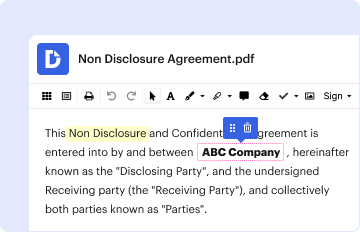
01. Edit your form online
Type text, add images, blackout confidential details, add comments, highlights and more.


Type text, add images, blackout confidential details, add comments, highlights and more.
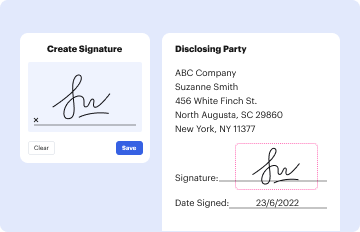
Draw your signature, type it, upload its image, or use your mobile device as a signature pad.

Send it via email, link, or fax. You can also download it, export it or print it out.
The "Form CT-1040 Connecticut Resident Income Tax Return" is a tax document used by residents of Connecticut to report income, deductions, and credits to the state's Department of Revenue Services. This form ensures that residents accurately calculate their state income tax for the year. Residents need to report all sources of income, similar to federal obligations, but under state-specific guidelines. Accurately filling out this form helps avoid penalties and ensures compliance with Connecticut's tax laws.
Completing this form correctly impacts how much tax is payable or refundable. For example, claiming applicable tax credits can significantly affect your tax outcome. Understanding the types of income that must be reported is crucial for compliance.
This form can be obtained through multiple channels to cater to a variety of user preferences.
Using the CT-1040 form offers several benefits for Connecticut residents:
Filing this form ensures compliance with Connecticut tax law, preventing potential legal issues from non-compliance.
Provides a structured way to assess tax obligations, which is crucial for budgeting and financial planning.
Accurate completion and timely submission facilitate quicker processing and receipt of any refund due.


This form primarily serves residents of Connecticut, including single filers, married couples, and heads of household.
While primarily for residents, non-residents or those who stayed part of the year in the state may also need to file, often using related variants to report Connecticut-sourced income.
The form requires details on wages, interest, dividends, and other income types, forming the basis for tax calculations.
It offers sections to report both standard and itemized deductions, crucial for reducing taxable income.
Residents can claim credits like the Connecticut Earned Income Credit, which directly reduces tax to be paid.
Typically, the form is due by April 15 each year, in alignment with federal tax deadlines. Extensions can be requested if needed.
Form CT-1040EXT can be filed to request an extension, providing additional time to file, though payment deadlines remain unchanged.
Failing to file on time can lead to penalties, so marking important dates on your calendar is beneficial.

The form is for those domiciled in Connecticut for the full tax year.
Residents surpassing a specific income level, varying by filing status, must file regardless of age or dependency status.
At DocHub, your data security is our priority. We follow HIPAA, SOC2, GDPR, and other standards, so you can work on your documents with confidence.
Taxpayers must sign declaration on reverse side. Complete return in blue or black ink only. Please note that each form is year specific.Read more
Familiarize yourself with the relevant CT individual income tax instructions, including: CT-1040(Link is external), Connecticut Resident Income Tax ReturnRead more


