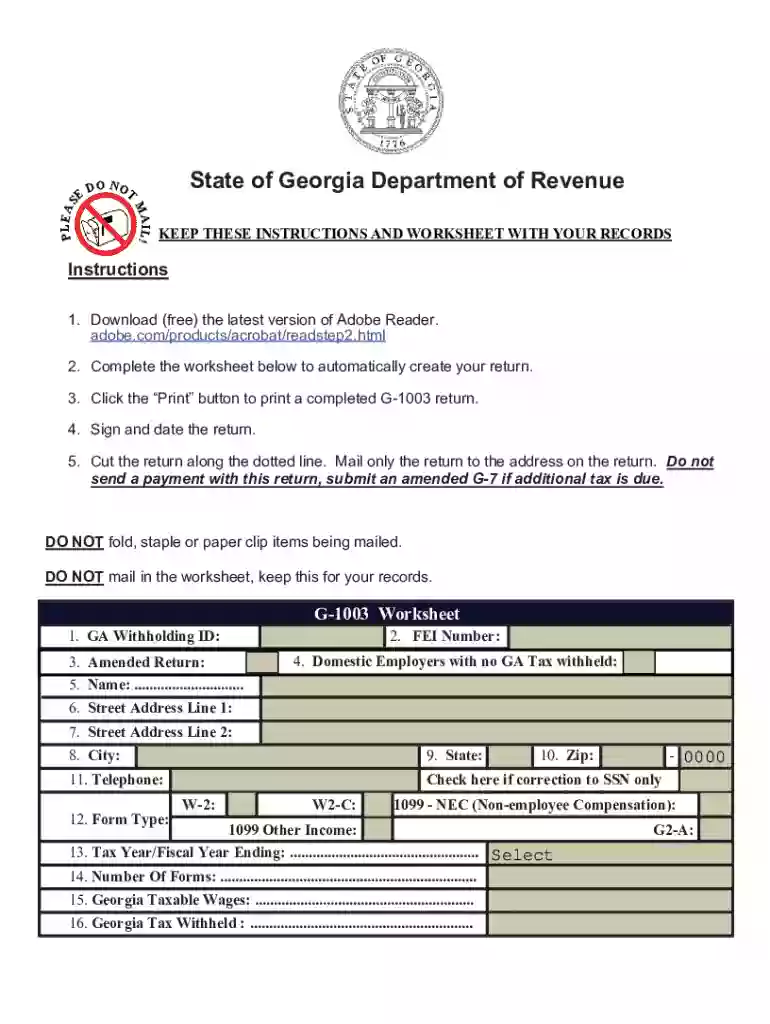
CORP-2004-2026

Get Form
CORP-2004 Preview on Page 1

Here's how it works

01. Edit your form online
Type text, add images, blackout confidential details, add comments, highlights and more.

02. Sign it in a few clicks
Draw your signature, type it, upload its image, or use your mobile device as a signature pad.

03. Share your form with others
Send it via email, link, or fax. You can also download it, export it or print it out.

Definition & Meaning

CORP-2004 is a form used in the United States that relates to business and corporate filings. This form is often utilized in administrative processes involving corporation creation, management, or dissolution, depending on the state and specific use case. Understanding the purpose and intricacies of the CORP-2004 can illuminate its critical role within corporate legal frameworks.

Key Concepts

  • Business Registration: CORP-2004 might be associated with starting or registering a corporation.
  • Compliance and Reporting: Businesses use it for regulatory compliance or to fulfill reporting obligations.
  • Corporate Amendments: It can also be involved in making changes to a corporation's existing structure or details.

How to Use the CORP-2004

Utilizing the CORP-2004 form correctly is crucial for achieving legal compliance and avoiding administrative setbacks. Here's a step-by-step guide:

  1. Download the Form: Access the form from your state's Department of Revenue or appropriate business bureau website.
  2. Form Completion: Carefully fill each section with accurate corporate details, such as business name, EIN, registered agent, and purpose.
  3. Review Requirements: Double-check state-specific guidelines to ensure all mandatory fields are accurately completed.
  4. Submit the Form: Use the prescribed submission method, with digital submissions available in many jurisdictions.

Practical Example

  • A new business in California, initiating its registration, must comprehensively complete and submit the CORP-2004 to finalize its corporation status.

Steps to Complete the CORP-2004

Completing the CORP-2004 follows a structured process to ensure correctness and compliance:

  1. Gather Necessary Information: Compile all required documentation, such as business licenses, identification numbers, and current corporate bylaws.
  2. Fill the Identification Section: Provide crucial details, including corporation name, business address, and contact information.
  3. Describe Business Structure: Outline the type of corporation, whether it's an LLC, C Corp, or S Corp.
  4. Verify and Attach Documents: Ensure all supplementary documents are attached, such as a copy of the articles of incorporation.
  5. Submission and Fees: Submit the form with appropriate filing fees to the correct state department.

Who Typically Uses the CORP-2004

The CORP-2004 form is typically used by:

  • Entrepreneurs: Individuals starting new corporations need this form for legal establishment.
  • Corporate Law Firms: Legal advisors handling business compliance and corporate documentation.
  • Existing Corporations: Companies making amendments or legally required updates to their current registration.
decoration image ratings of Dochub

Case Study Example

  • A startup seeks to transition from a sole proprietorship to a corporation, thereby using the CORP-2004 to establish its new legal status.

Legal Use of the CORP-2004

The CORP-2004 serves multiple legal purposes, primarily ensuring business activities fall within statutory requirements. Key aspects include:

  • Adherence to State Laws: Corporations must use this form to comply with specific state laws regarding business formation and operation.
  • Documenting Corporate Changes: It's utilized for officially recording changes in a corporation's management or structure.
  • Facilitating Tax Compliance: Used to align business operations with state tax requirements.

Important Terms Related to CORP-2004

Understanding terminology associated with the CORP-2004 is essential for proper form utilization:

  • EIN (Employer Identification Number): A unique identifier for corporations, often required on the form.
  • Registered Agent: A designated individual or business responsible for receiving legal documents on behalf of the corporation.
  • Articles of Incorporation: Official documents filed with the state to legally establish the corporation.

State-Specific Rules for the CORP-2004

State-specific regulations influence the filing and requirements of the CORP-2004:

  • California: Businesses must include a Statement of Information with details about corporate officers.
  • New York: Requires a Biennial Statement to update corporate records every two years.
  • Texas: Corporations must file an annual Public Information Report alongside the form to maintain 'in good standing' status.

Form Submission Methods (Online / Mail / In-Person)

Options for submitting the CORP-2004 include:

  • Online Submission: The most efficient method, allowing quick processing and confirmation.
  • Mail: Traditional method, suitable for areas with limited internet access or for those preferring physical documentation.
  • In-Person Filing: Direct submission to the state’s business bureau, often recommended for complex cases requiring immediate assistance.

Advantages and Limitations

  • Online: Fast and convenient but may lack personalized support.
  • Mail: Offers a tangible record but slow processing time.
  • In-Person: Direct resolution of issues but subject to business hours and location constraints.

By understanding these components and procedural details, businesses can effectively navigate the requirements of the CORP-2004, ensuring compliance and smooth operation within their respective states.

be ready to get more

Complete this form in 5 minutes or less

Get form

Security and compliance

At DocHub, your data security is our priority. We follow HIPAA, SOC2, GDPR, and other standards, so you can work on your documents with confidence.

Learn more
ccpa2
pci-dss
gdpr-compliance
hipaa
soc-compliance
be ready to get more

Complete this form in 5 minutes or less

Get form