



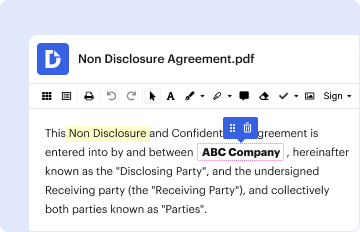
01. Edit your form online
Type text, add images, blackout confidential details, add comments, highlights and more.

Type text, add images, blackout confidential details, add comments, highlights and more.
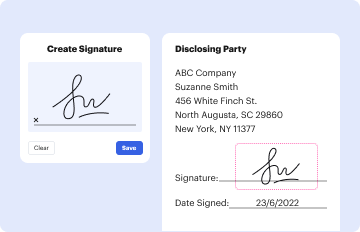
Draw your signature, type it, upload its image, or use your mobile device as a signature pad.
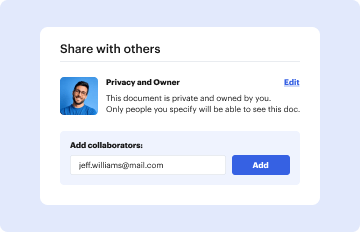
Send it via email, link, or fax. You can also download it, export it or print it out.
The Self-Employed Business Expenses Schedule C Worksheet is an essential tax form used by unincorporated businesses or farms in the United States. It helps self-employed individuals accurately report their business expenses for tax deduction purposes. This worksheet provides a critical structure for recording various types of business costs, ultimately ensuring compliance with IRS tax guidelines and optimizing potential tax savings.
Using the Self-Employed Business Expenses Schedule C Worksheet involves several methodical steps that self-employed individuals must follow to ensure all necessary expenses are reported correctly.
Identify Relevant Expenses: Start by categorizing expenses that qualify for deductions, including costs like office supplies, travel, and professional fees.
Organize Receipts and Documentation: Gather all supporting documents for each type of expense, ensuring they align with IRS guidelines.
Input Data Accurately: Enter the information into the worksheet, making adjustments as needed for partial-year deductions or specific expense categories.
Review and Validate: Cross-check all entries to ensure accuracy and completeness, correcting any discrepancies found.
Submit with Tax Return: Include the completed Schedule C Worksheet as part of your annual tax filing.
Completing the Self-Employed Business Expenses Schedule C Worksheet requires attention to detail and a comprehensive approach.
Collect Business Income Information: Beginning with total income, gather all income statements, invoices, and records of cash received throughout the tax year.
Determine Expense Categories: Break down expenses into common categories such as advertising, commissions, and contract labor.
Fill in Business Information: Provide basic information about the self-employed business, such as the principal activity and EIN if applicable.
Enter Gross Receipts and Returns: Accurately list gross receipts or sales and subtract any returns or allowances.
Calculate Total Deductible Expenses: Add up all expenses under their respective categories and compute the total deductions available.
Verify with Supporting Documents: Ensure all figures are backed by valid documentation.
Seek Professional Advice if Needed: Consider consulting a tax professional for complicated entries or large expense claims.
The Schedule C Worksheet is indispensable for various reasons:
Understanding the key elements is crucial for effective utilization:
IRS guidelines provide the framework for using Schedule C effectively:
In the U.S., the deadline for filing individual tax returns, including Schedule C, is typically April 15th. However, for estimated quarterly payments commonly required by self-employed individuals:
Extensions may be requested for October 15th filing, but full tax payment must occur by April 15th.
While the Self-Employed Business Expenses Schedule C Worksheet is specifically designed for self-employed individuals, various taxpayer scenarios can influence its usage:
Each scenario requires careful attention to the details that apply to the unique nature of business operations and income reporting practices.


At DocHub, your data security is our priority. We follow HIPAA, SOC2, GDPR, and other standards, so you can work on your documents with confidence.
Apr 3, 2025 Part II. Expenses. Enter expenses for business use of your home only on line 30. 8. Advertising . . . . . 8.Read more
The spreadsheets attached to this document are designed to assist the sole proprietor in completing the Income and Expenses section in Schedule C. IfRead more
Jan 23, 2018 If you are self-employed and your net earnings are $400 or more, be sure to cor- rectly fill out Schedule SE (Form 1040), Self-Employment.Read more


